After all that work collecting data and studying habitat associations, we identified five habitats as the greatest conservation priorities for reptiles and amphibians in Columbia County.
The first of those is the Carcus Creek / Lava Creek complex.
Introduction to the Land
The area in question is ~6 miles east of Mist in the center of the county, formed by Lava Creek to the north, Carcus Creek to the east, and Cedar Creek to the south. Most of the 5000 acres is private timber holdings owned by Weyerhauser, Bascom Pacific, and Claruth/Willna/Franbea, though 280 acres belongs to Columbia County and 640 acres was recently acquired by the Columbia Land Trust.
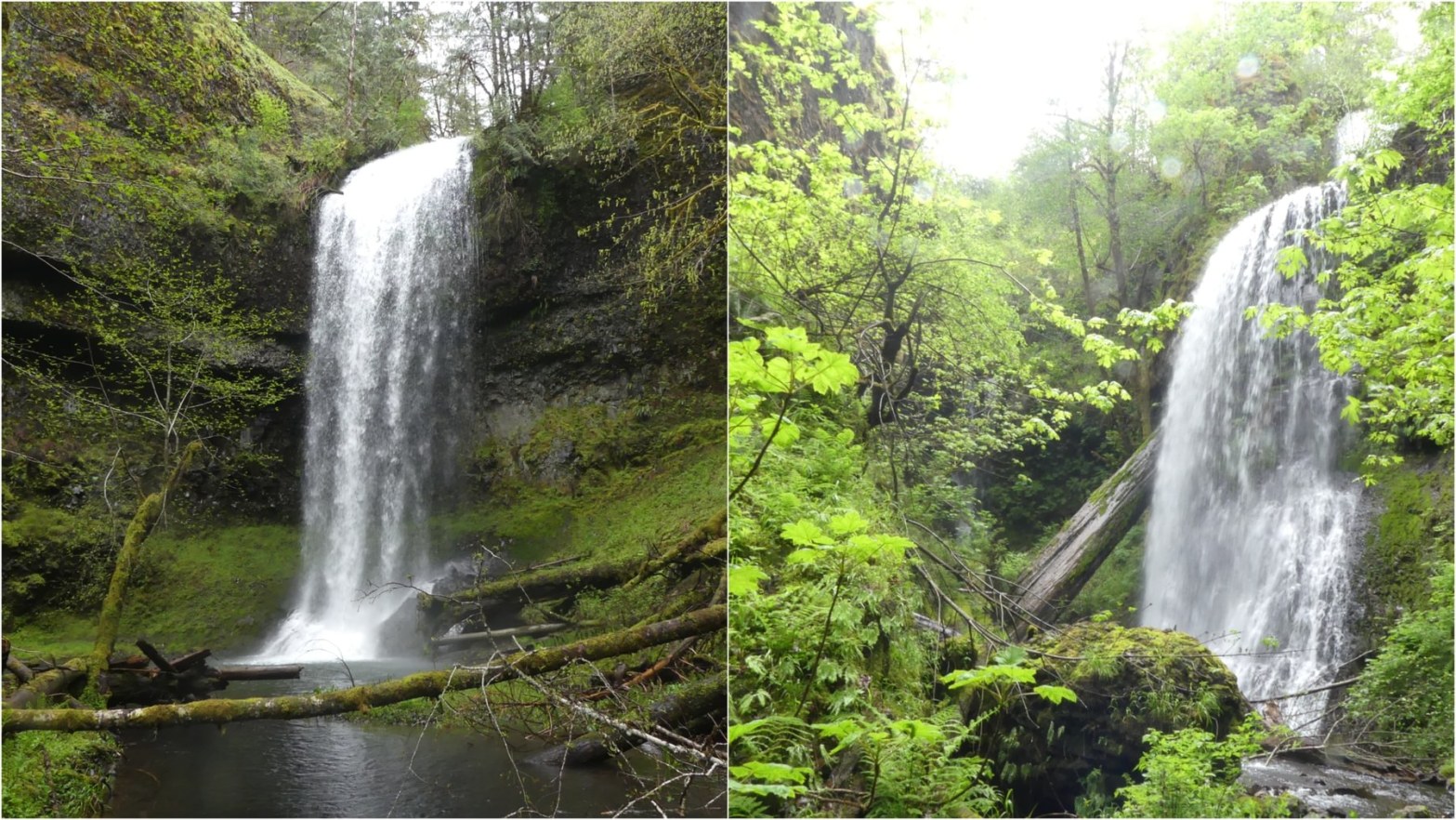
The patch consists of a forested basalt plateau at ~1500 feet elevation, punctuated by several dramatic stream canyons with impressive waterfalls. It is the best-preserved example of a Coast Range Volcanics ecosystem that we have found in Columbia County, with large basalt canyons having partially insulated the streams from logging impacts.
Biodiversity of the Habitat
We verified Carcus Creek / Lava Creek as the single most biodiverse spot for amphibians in Columbia County, with 12 of the 13 native species residing there including 5 Oregon Conservation Strategy Species. Some highlights were:
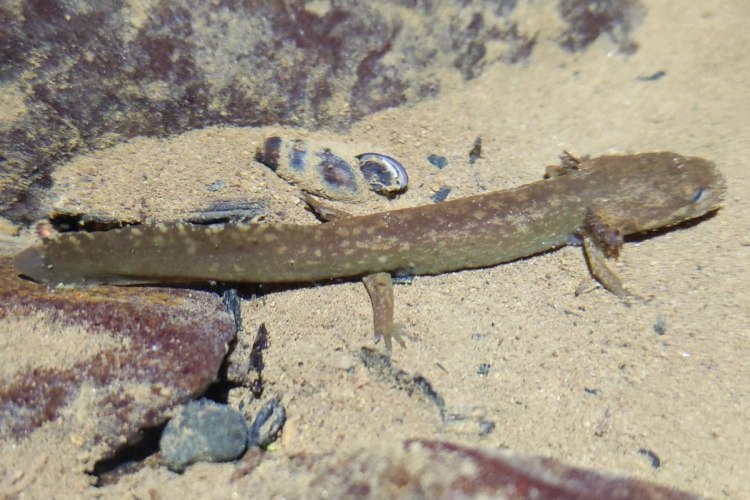
- The only place in the county where Cope’s Giant Salamander was seen
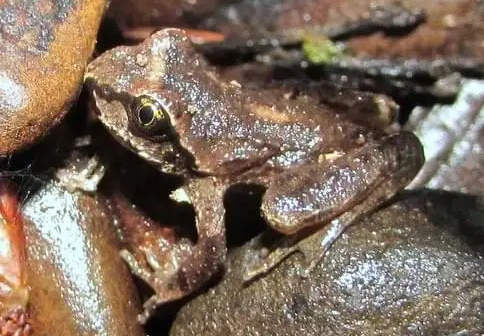
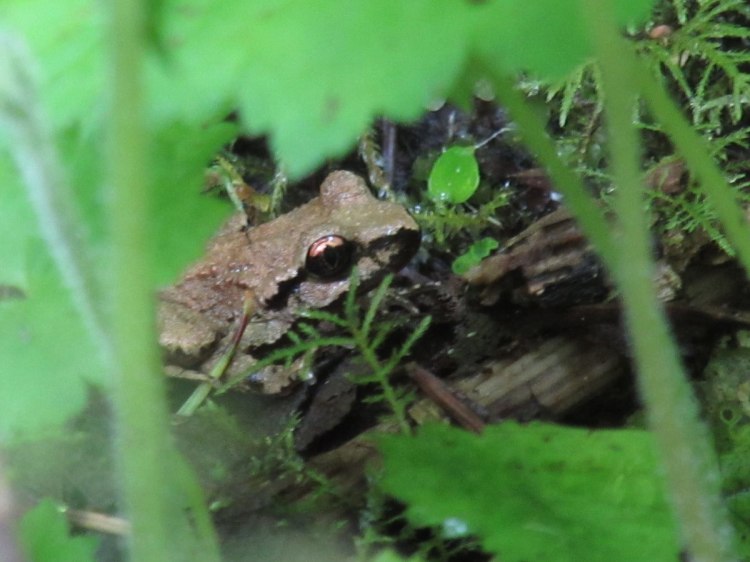
- The best spot in the county for Coastal Tailed Frogs, found in just two other locations
- One of just two places where Western Toads were seen
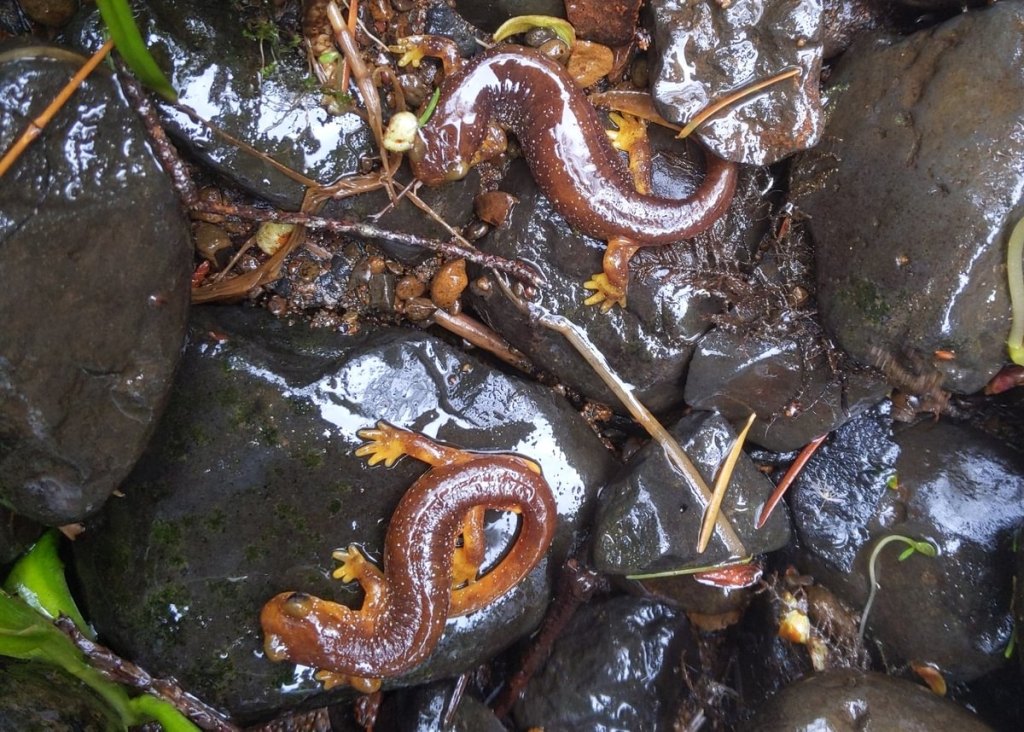
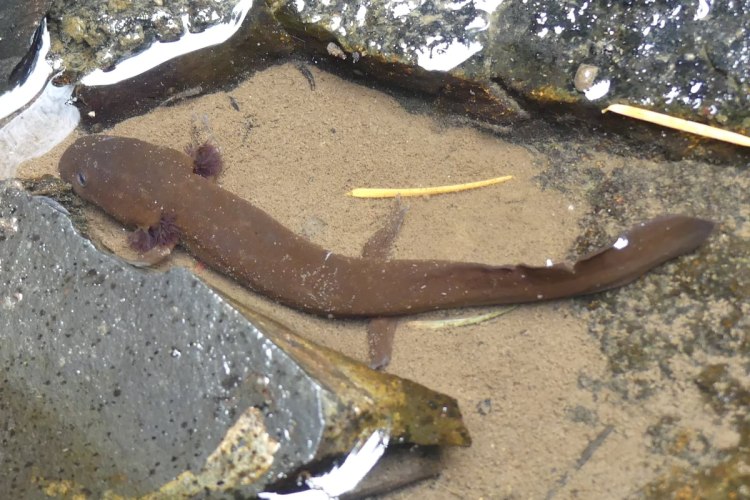
- Strong populations of Columbia Torrent Salamanders and Coastal Giant Salamanders
If there is one place in the county where our declining stream amphibians are to survive, it will be in Lava and Carcus Creek below their falls. Here are a few of the pictures we took:
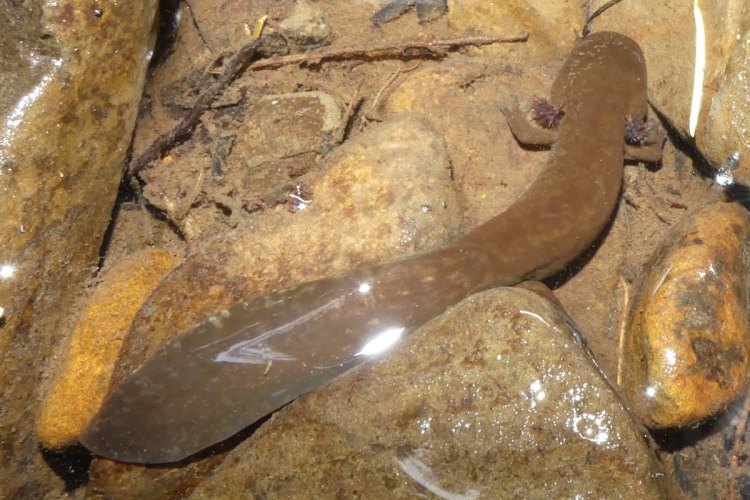
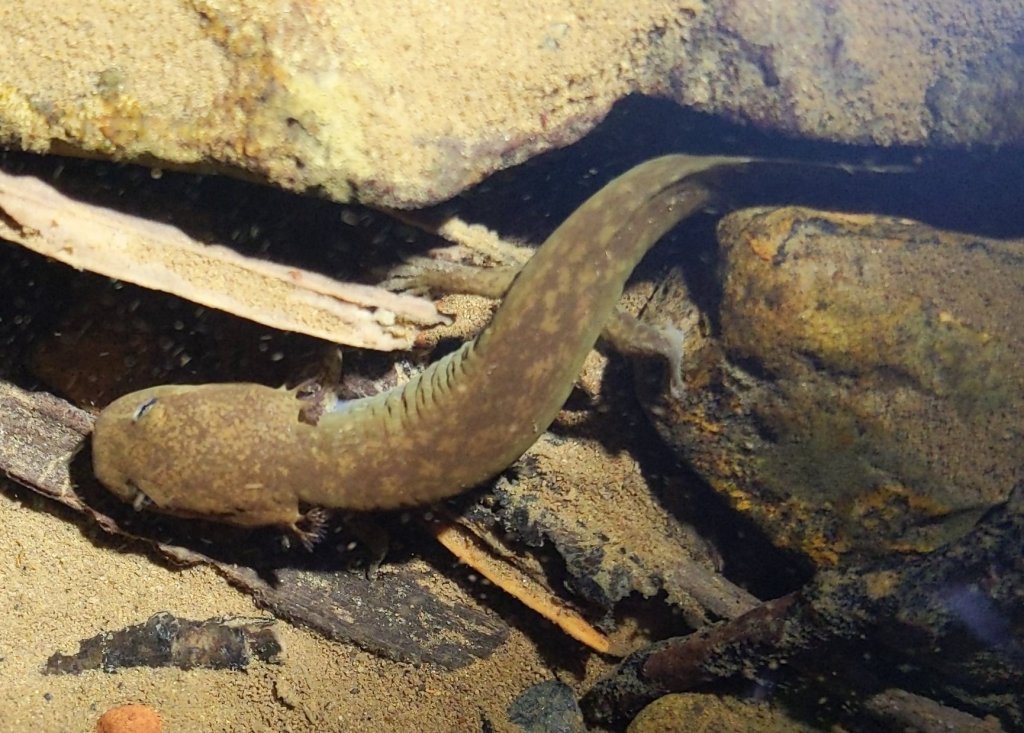
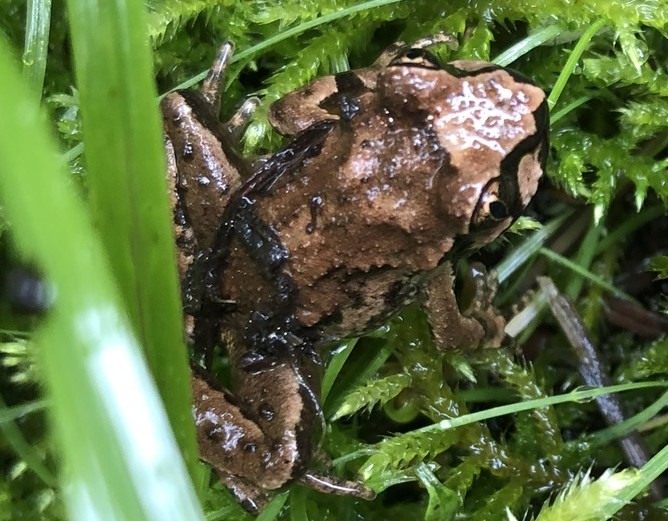
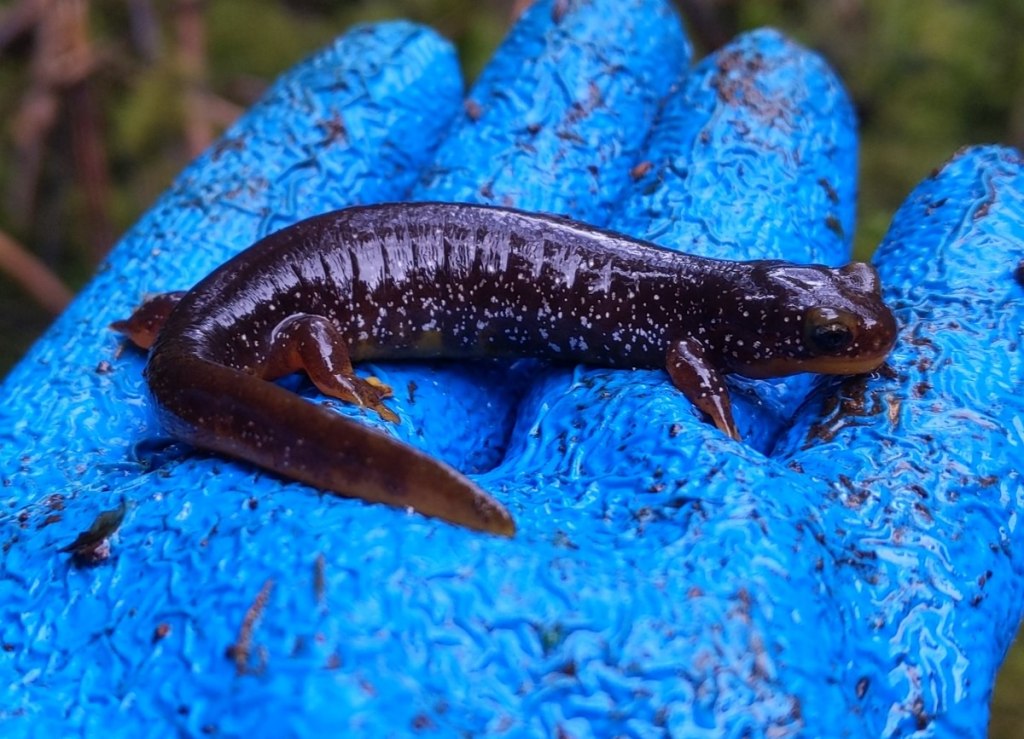
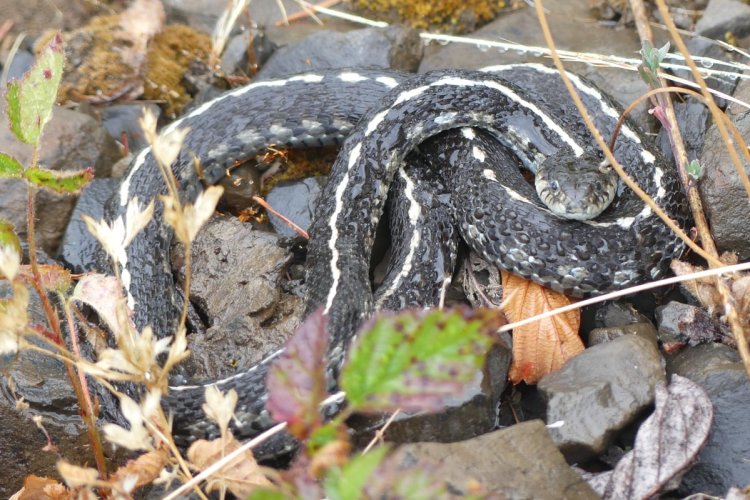
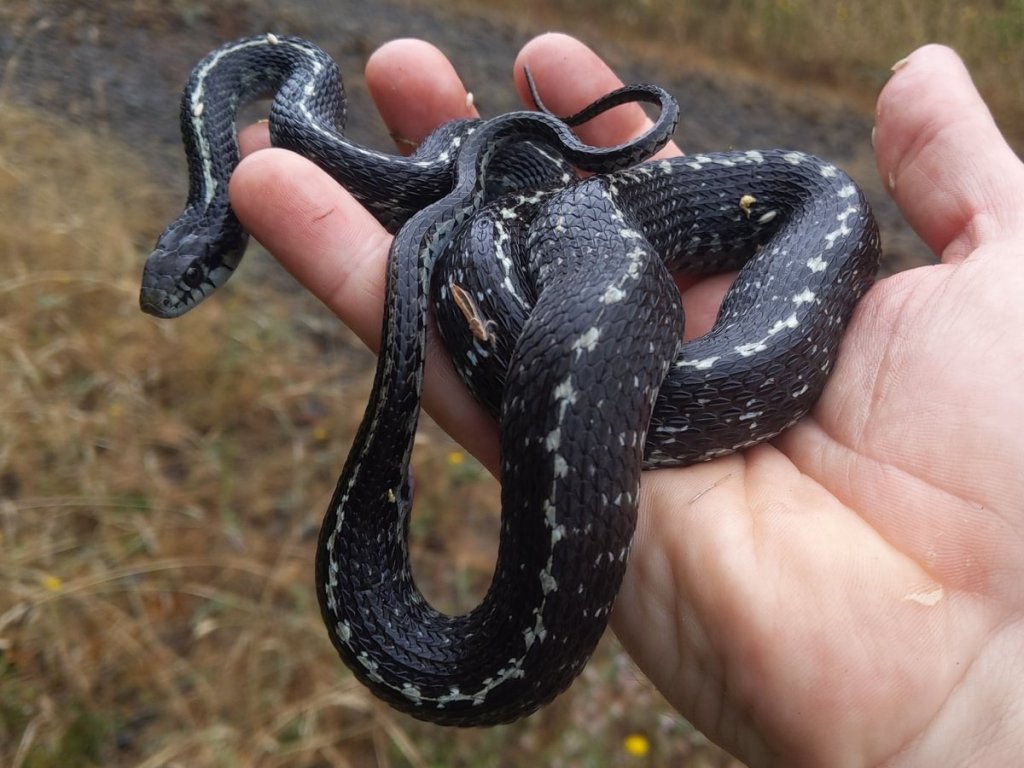
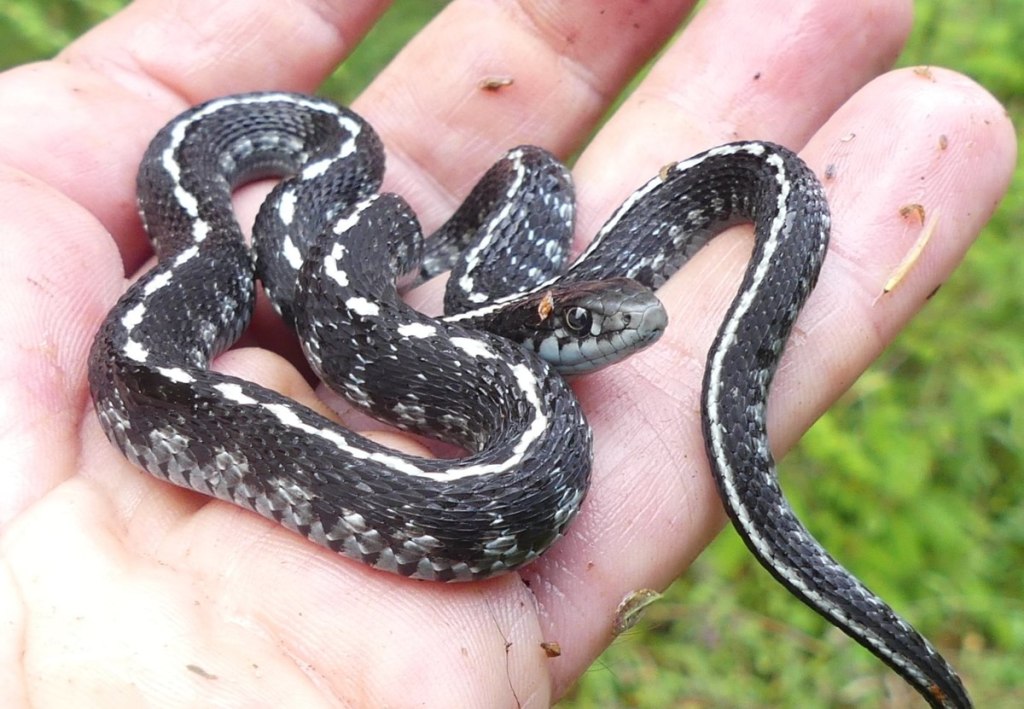
The upland plateau between the streams provides habitat for forest reptiles, especially the rarely seen Western Terrestrial Garter Snake. We found more Western Terrestrial Garter Snakes here than anywhere else in the county.
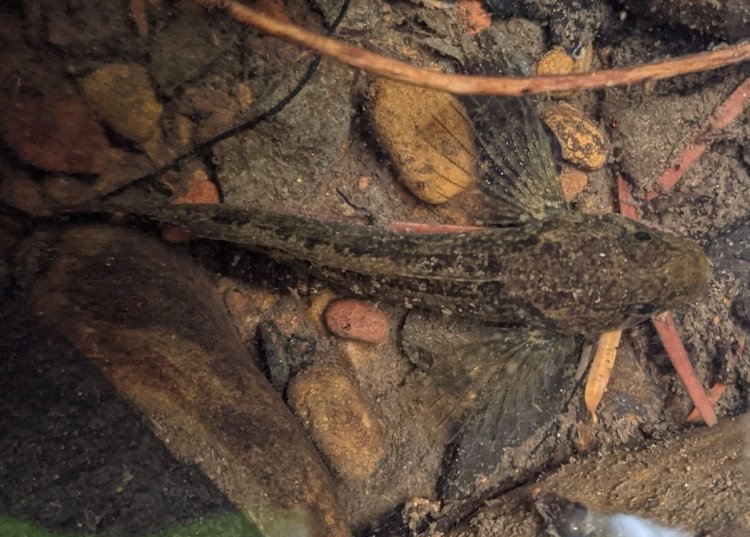
Carcus Creek has been designated as ‘‘Critical Habitat’’ for Coho Salmon, Steelhead, and Cutthroat Trout. A Lower Columbia Watershed Council report from 2001 noted that there has been a decline in salmon populations in the creek, possibly due to upstream habitat being degraded by logging. We noted in our own surveys that it appeared to be one of the best spots in the county for sculpin diversity as well.
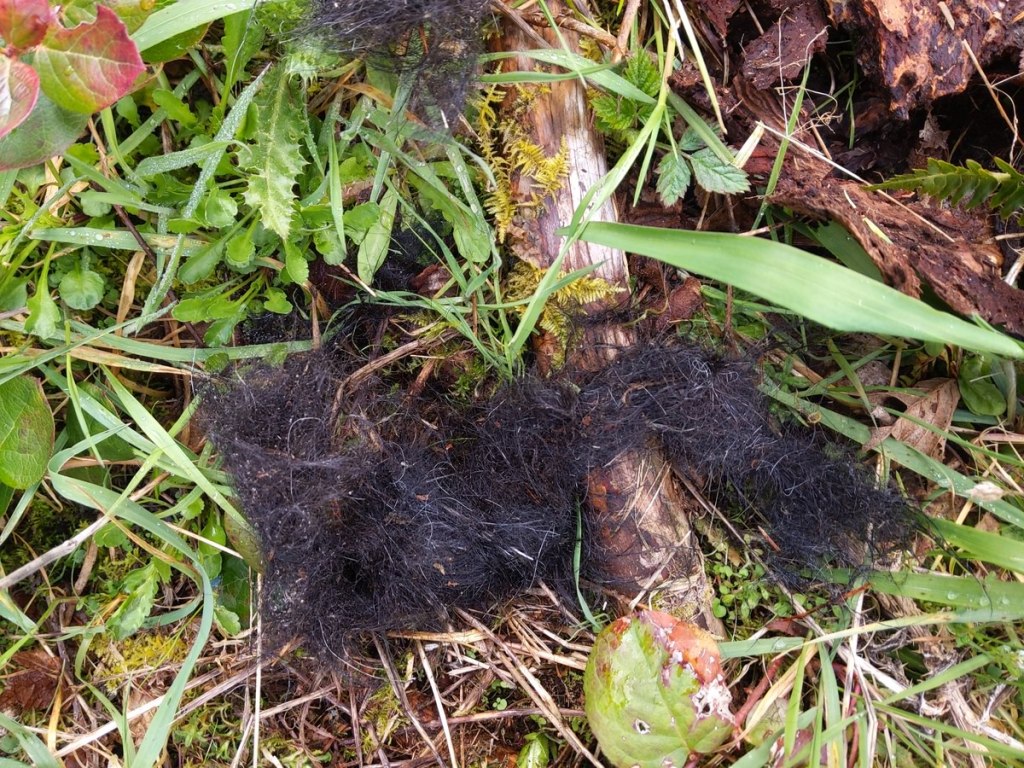
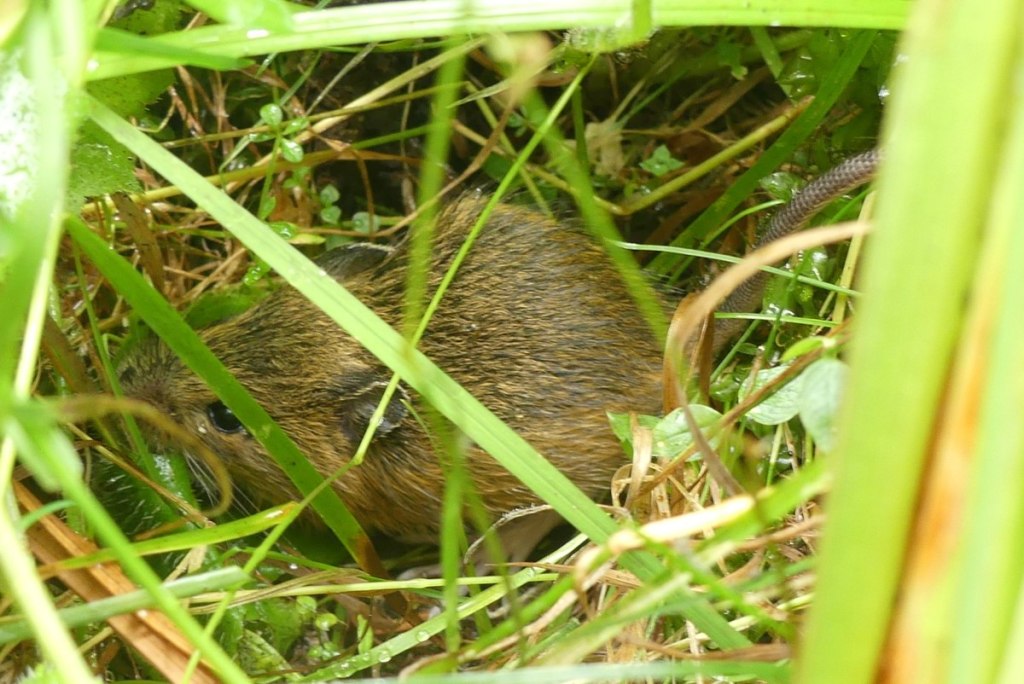
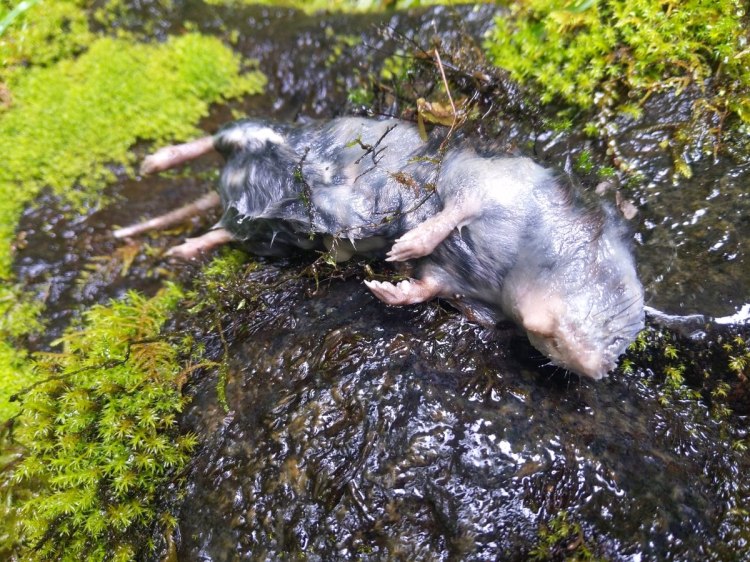
Though we were not surveying for them, we frequently saw common mammals like Blacktail Deer, Roosevelt Elk, Black Bear, Mountain Beaver, Douglas Squirrel, Townsend Chipmunk, Pacific Jumping Mouse, and Coast Mole. Targeted mammal surveys would reveal significantly more species. In the upland habitats we spotted birds rarely seen in more populated areas, including Canada Jay, Pine Siskin, and Pygmy Owl. West Fork Carcus Creek was the only place in Columbia County where we observed a White-footed Vole [deceased under the waterfall], the most rarely-seen rodent in western Oregon.

The forest is a mix of Douglas-fir and western hemlock with plenty of cedar, maple, and alder, especially in the stream corridors. Unfortunately, it has been heavily exploited by logging, with recent cuts hitting hard in the Weyerhauser portion, though these clearcuts also provide some wildlife habitat. Places that were not inundated with herbicides are thick with salal, vine maple, and various berries. Surveys commissioned by the Columbia Land Trust among their older trees identified rare species of fungus that are almost never seen in North America (https://www.instagram.com/p/C4vfQvhMb2S/?hl=en&img_index=5).
Carcus Creek and Lava Creek are not only special for their biodiversity, but also for their beauty. Exploring the creeks revealed dramatic landscapes, the likes of which are rarely seen within fifty miles in any direction. There are three different waterfalls of over 100 feet, making them the three tallest falls in all of Columbia County.
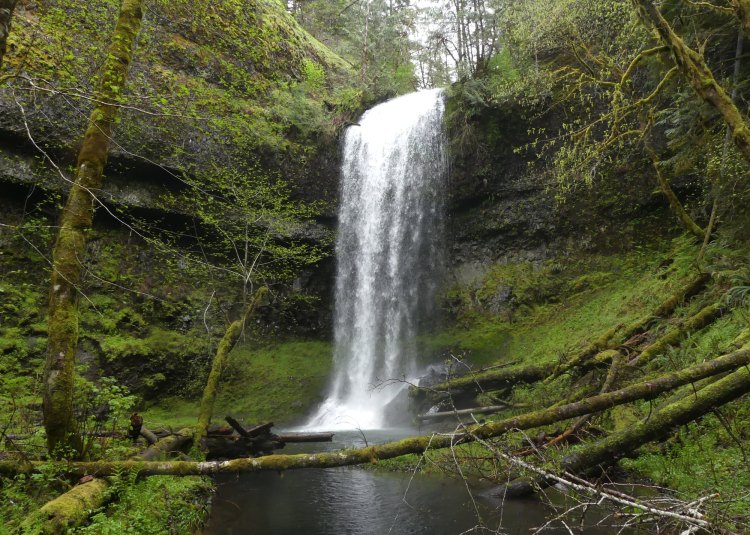
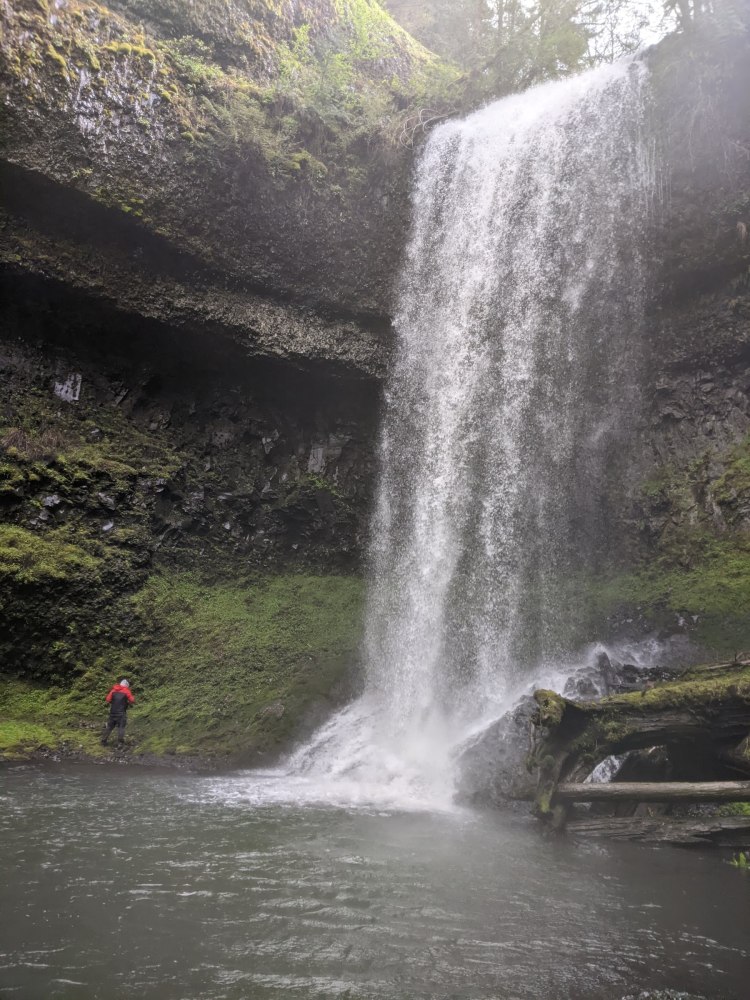
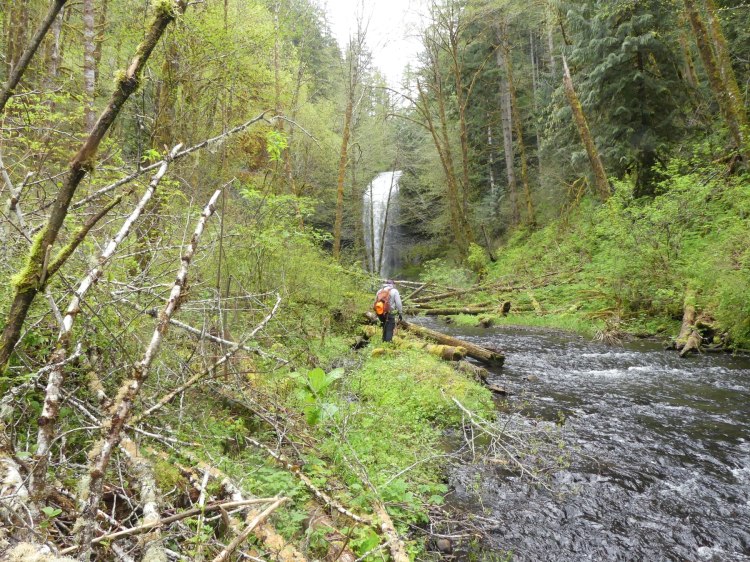
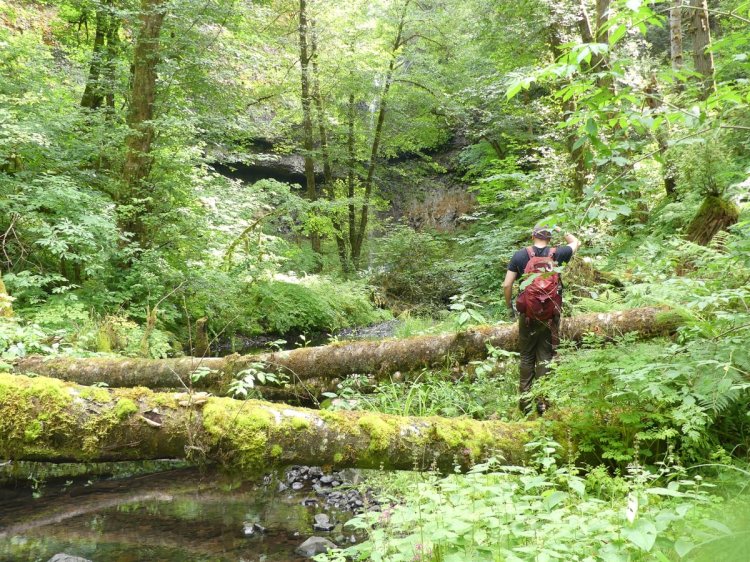
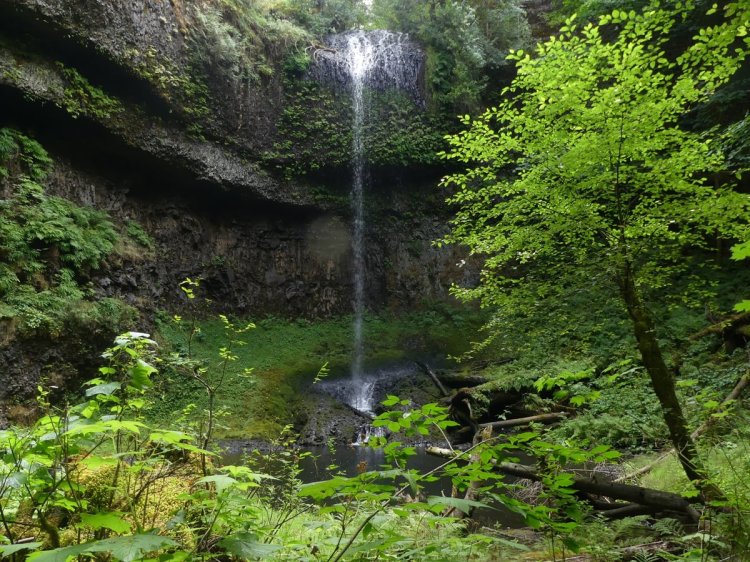
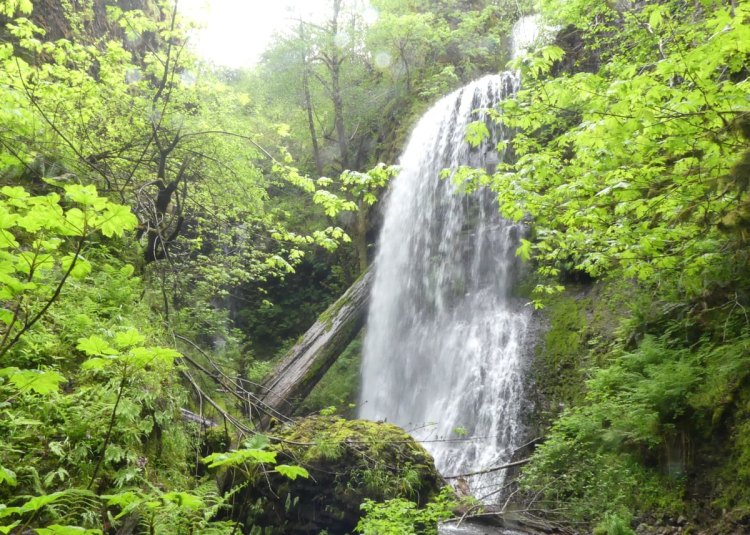
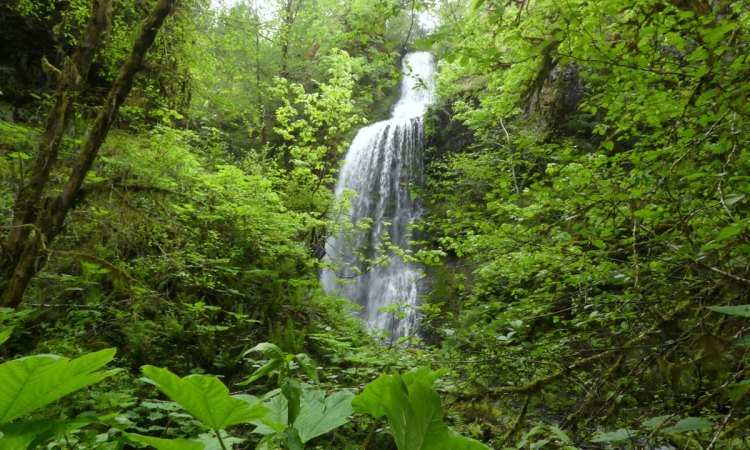
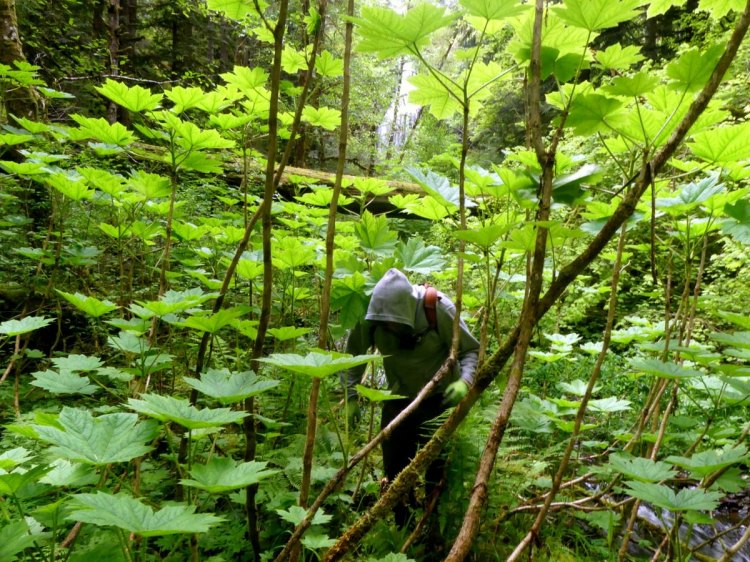
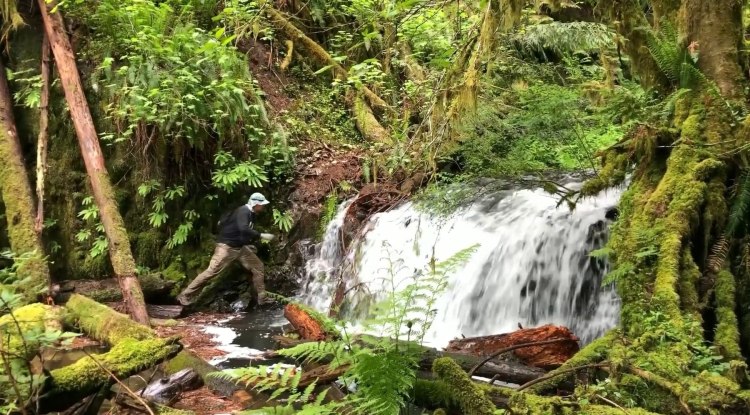
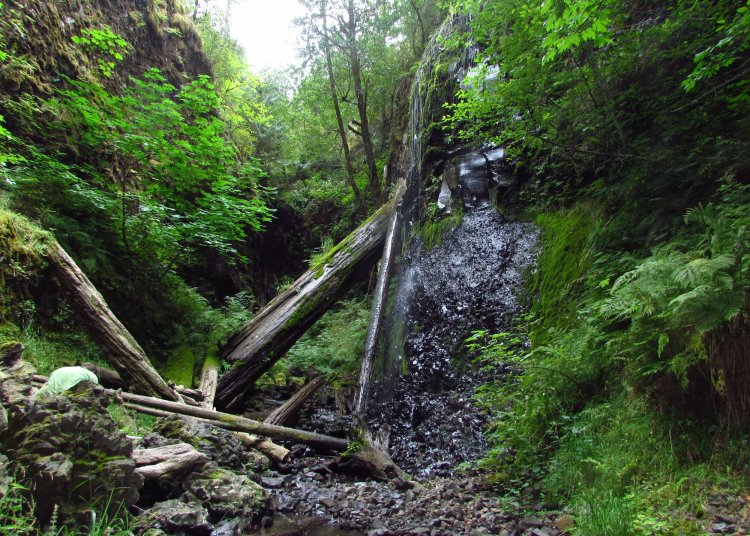
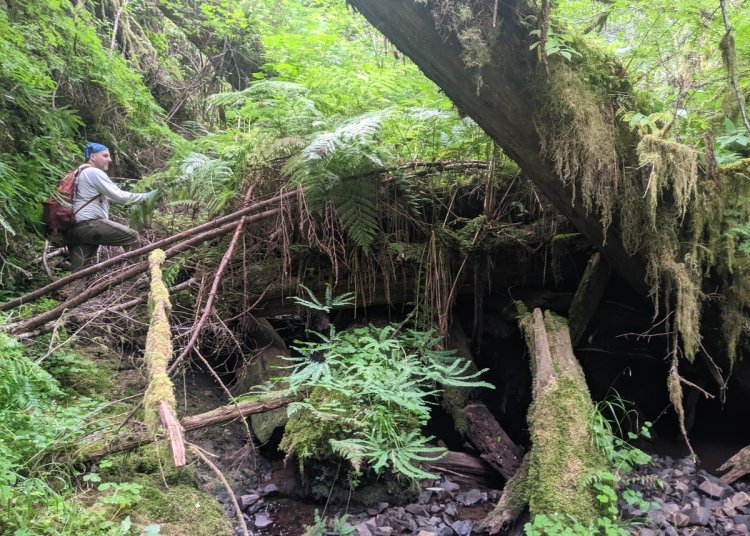
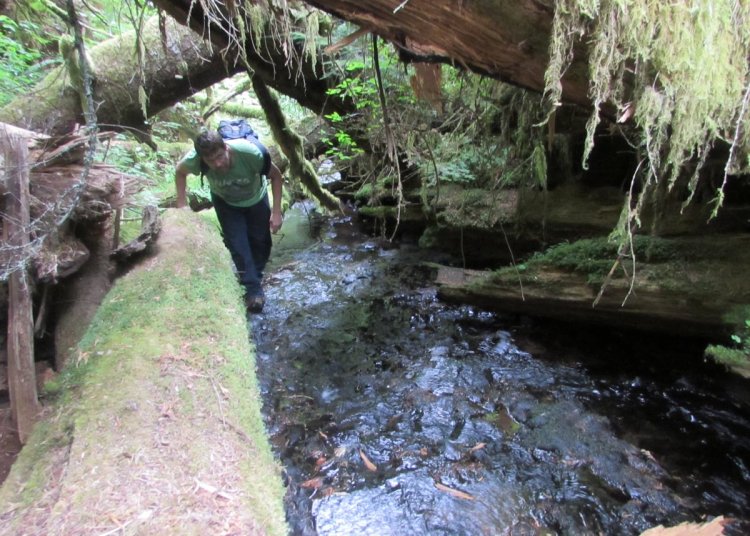
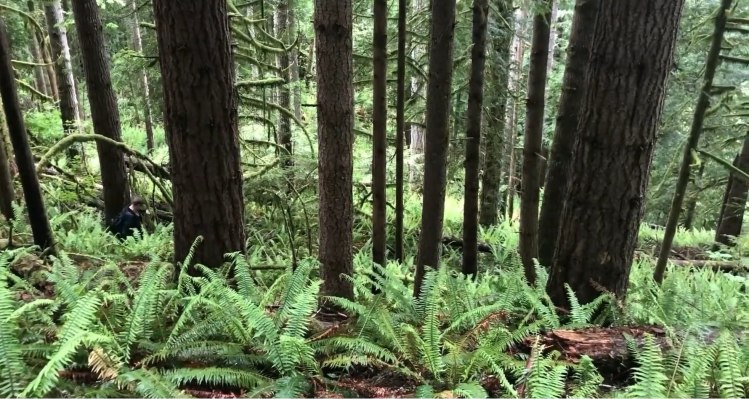
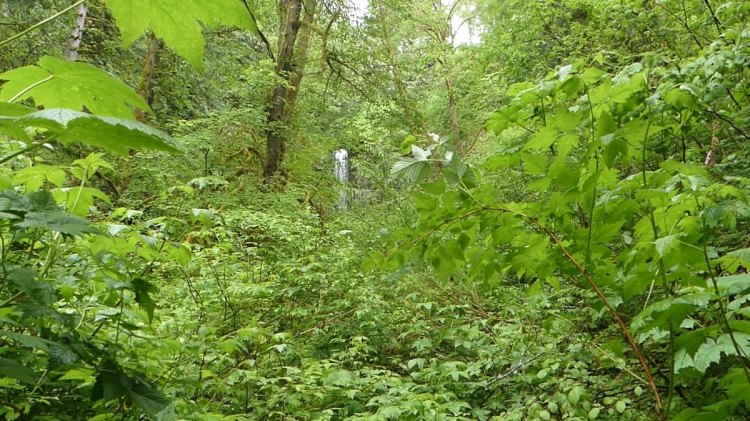
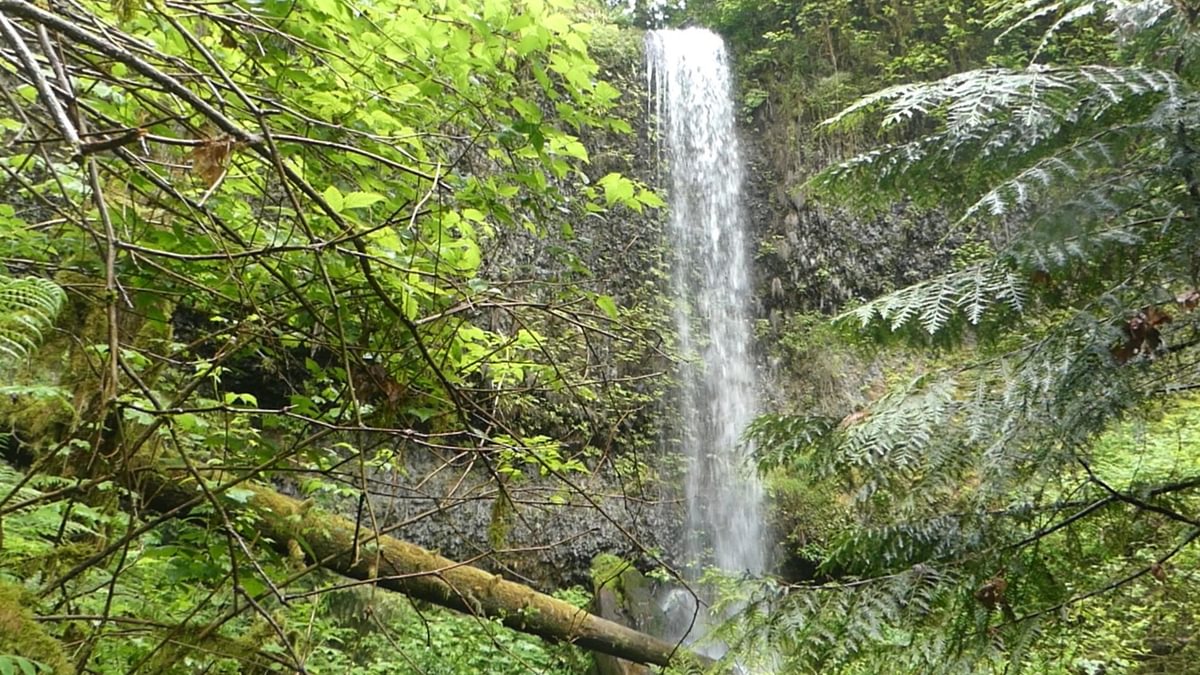
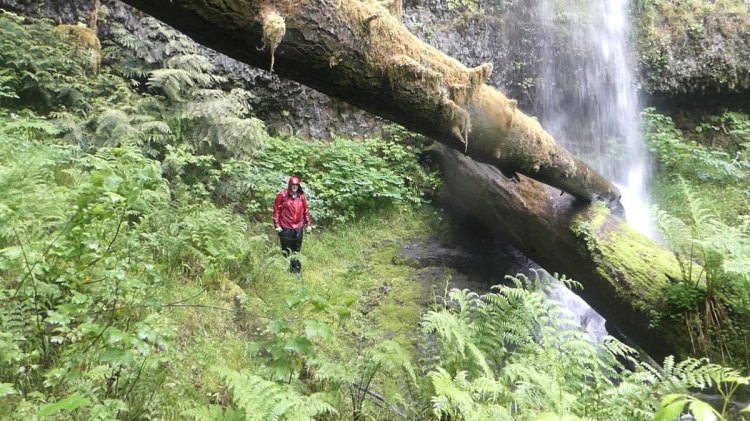
As you can see from those dates, the reduced streamflow driven by intensive logging has an impact on the creeks. The removal of trees has increased erosion and reduced the water holding capacity of surrounding forest, meaning that streams which are flush with water in spring are nearly dry by August. That could be deadly for fish and certain amphibian populations, which need cool, flowing water throughout the year if they are to survive.
Our pictures are several years old, back when access was easier. Since then, logging operations in the Weyerhaeuser portion of the block have cut forest to within a few feet of Lava Creek and up to the very edge of West Fork Carcus Creek. This may have been done in anticipation of the negotiated updates to the Northwest Forest Plan, which banned logging that close to active streams. It could have a dramatic impact on the ecology of these unique canyons.
Recommendations
We were not the first to notice the potential of this area. Columbia County’s Comprehensive Plan defines Lava Creek Falls and Carcus Creek Falls as critical ‘‘scenic resources’’ and discusses the possibility of developing a trail system in the area. The county’s 280-acre tract includes Carcus Creek Falls and land directly to its south and west, though they are currently managing this land for timber proceeds rather than for biodiversity or outdoor recreation.
Columbia Land Trust recently acquired a 640-acre tract of upland forest habitat just southwest of the county land. This tract has the oldest remaining forests in the region, thus preserving upland habitat and contributing to the purity of headwater streams flowing into Carcus Creek and Oak Ranch Creek. However, the preserve does not include any of the creek area itself. The most essential habitat is in Lava Creek above and below the falls, which is owned by Weyerhaeuser. They may be amenable to sale as the area was quite recently logged.
In order to preserve this unique habitat, our recommendation would be to end logging within the vicinity of the three creeks. The canyon habitat itself appears relatively pristine and so far as we can tell nothing needs to be done there, but sedimentation and excessive runoff from the logged areas directly adjacent to those canyons threatens the fish and amphibians living in the creeks. In addition, excessive clearcutting in the upland habitat has unnaturally reduced summer stream flows, further threatening the aquatic ecosystems below.
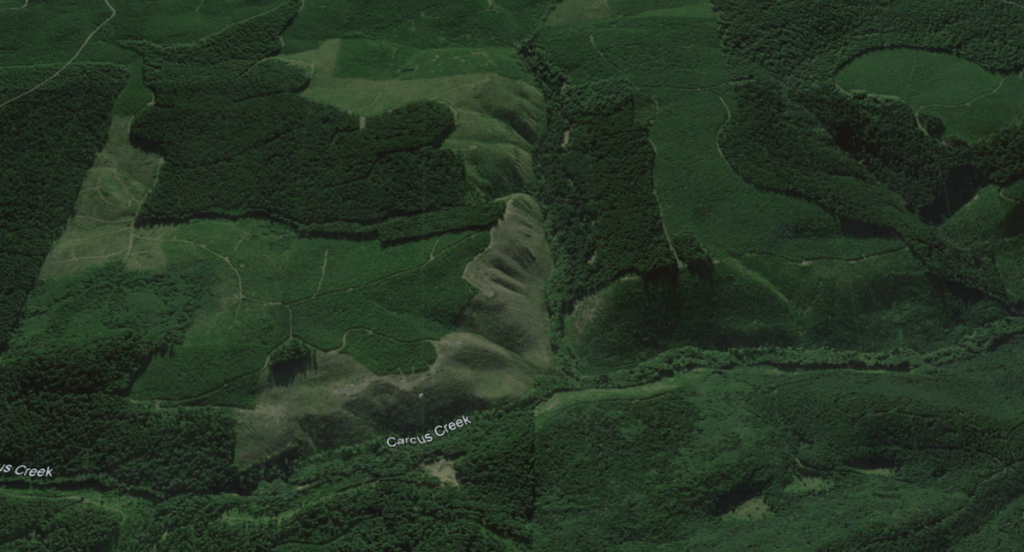
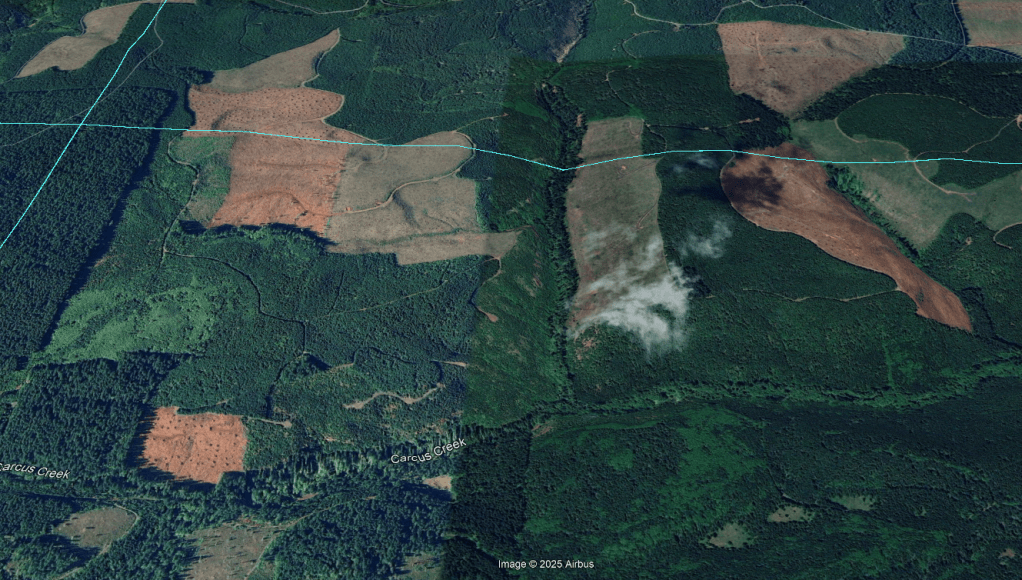
Continued occasional clearcutting in the upland habitat could be consistent with good forest management and high biodiversity. Clearcuts provide habitat for deer, elk, bear, certain birds, and garter snakes including the Western Terrestrial Garter Snake. However, when done to excess they ruin habitat for forest species and damage nearby streams.
We recommend that Columbia County, the State of Oregon, or conservation groups like the Nature Conservancy or Columbia Land Trust work to acquire the remaining logging company land immediately adjacent to Carcus Creek, West Fork Carcus Creek, and Lava Creek. We recommend that this land be combined with the existing land owned by Columbia County, potentially with the Columbia Land Trust land as well, and turned into a preserve with hiking trails that allow people to see the spectacular waterfalls, canyons, and forests without disturbing their integrity. Logging companies could continue to utilize the upland habitat, or it could be acquired by the state/county and then used for forest revenue, but with the stipulation that logging is continued in a sustainable pattern with the forest tracts being allowed to grow and age in a natural manner rather than being used as tree farms.
Comparable Habitats
There is nothing like Carcus Creek / Lava Creek anywhere in Columbia County.
Scappoose Creek and Oak Ranch Creek have extensive canyon systems, but they are much more highly developed. These creeks still support Coastal Giant Salamanders and can have Columbia Torrent Salamanders in the right protected nooks, but are too degraded for the more sensitive species.
Conyers Creek near Clatskanie still has Coastal Tailed Frogs and some of the stream salamanders, but doesn’t have the same deep canyons and is unlikely to support Cope’s Giant Salamanders.
Beaver Creek has the most similar enclosed canyon and waterfall, but is much more developed.
The Clear Creek area had the most similar Western Terrestrial Garter Snake habitat, but doesn’t have the deep canyons that could support the more vulnerable stream amphibians.
 Wild Columbia County
Thank you for all your work!! You are much appreciated!
LikeLiked by 1 person