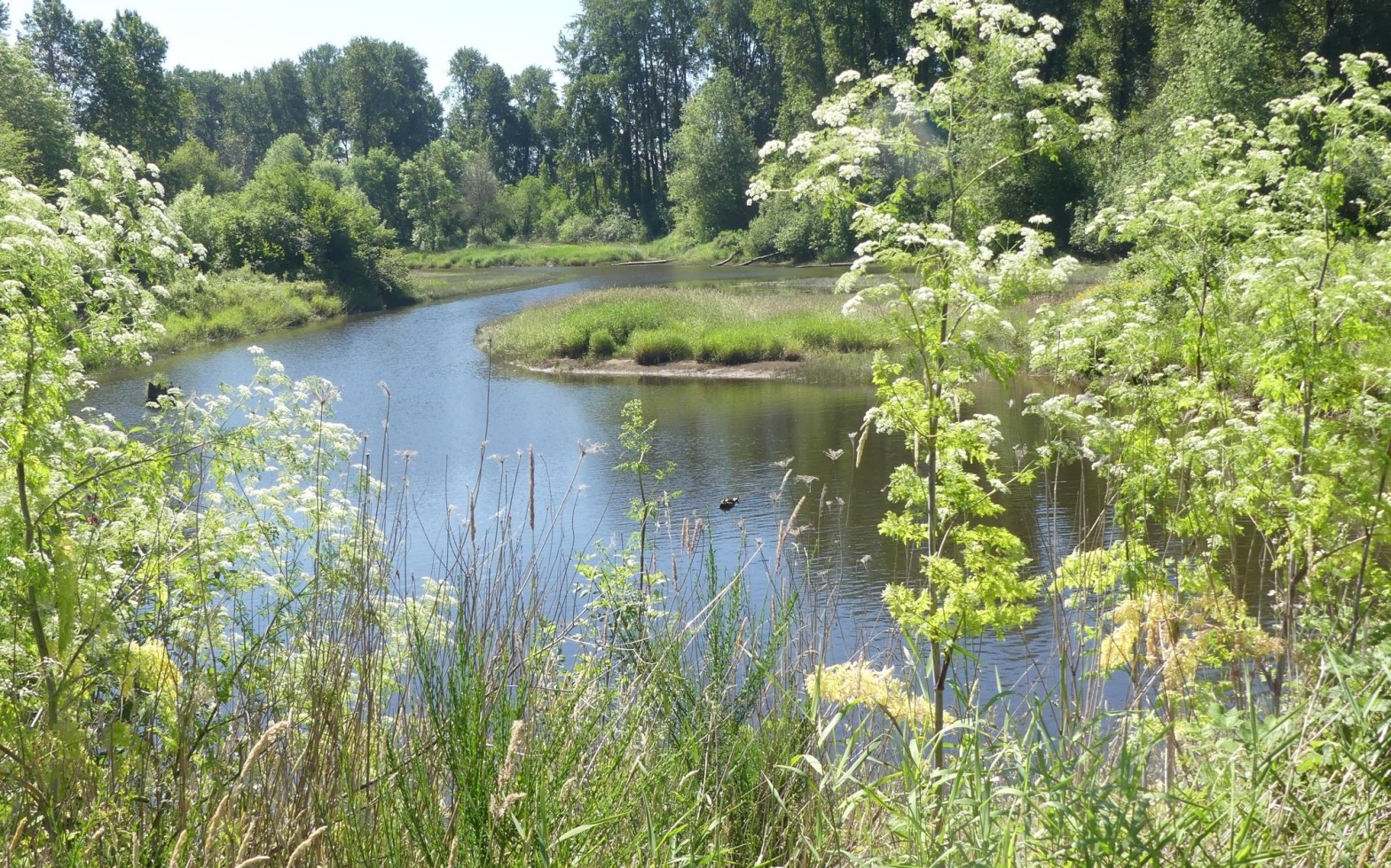
Deer Island Slough is different from our other conservation priorities. Rather than protecting forest, stream, or meadow habitat, the key feature here is a six mile long channel of the Columbia that has been diked off from the main river, maintaining a unique wetlands feature that supports the largest turtle population in Columbia County. InterestingContinue reading “Deer Island and its Slough (Conservation Priority #4)”
Category Archives: Columbia County Reptiles and Amphibians Paper
Graham Creek, a spot worth keeping (Conservation Priorities #3)
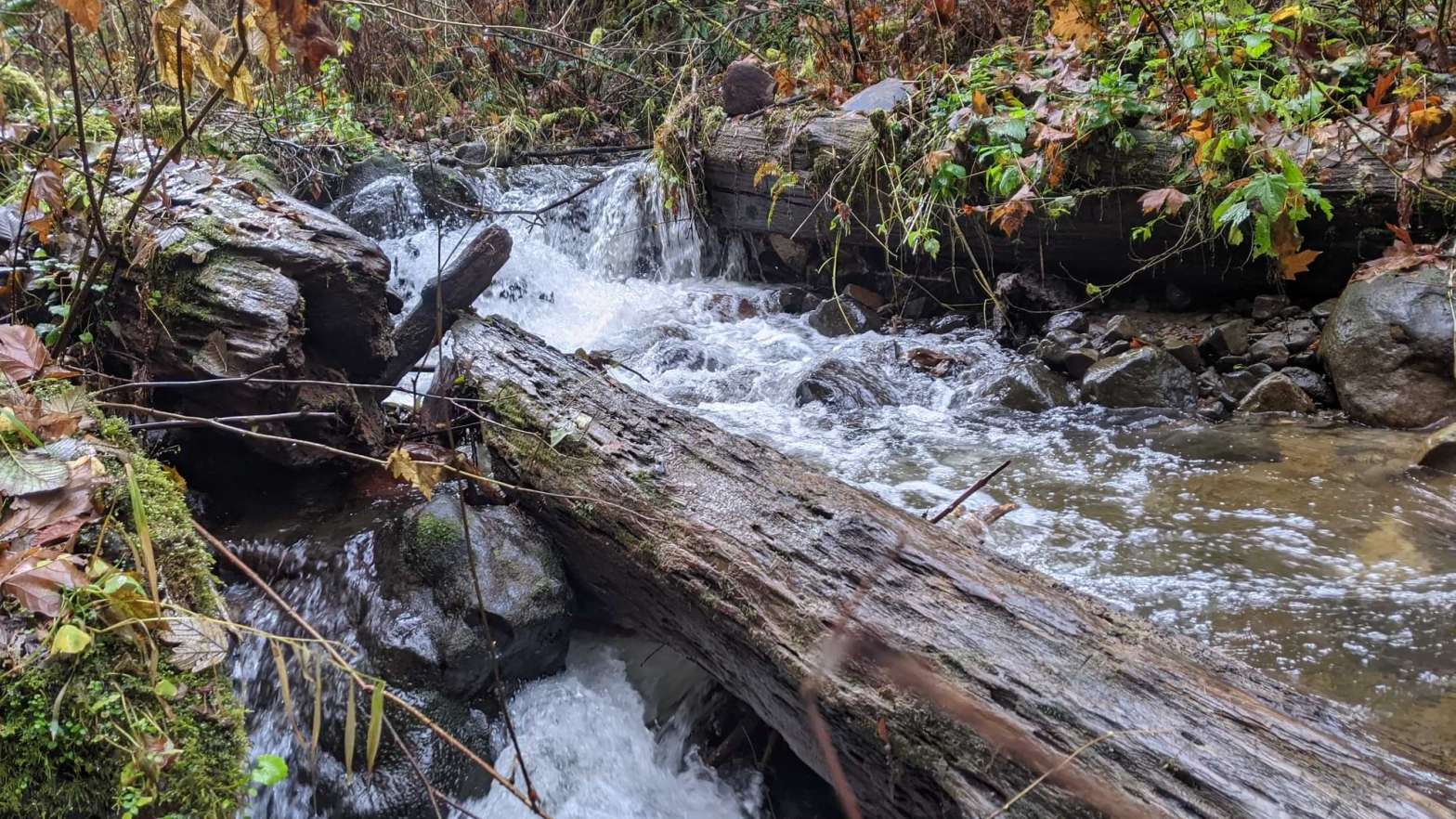
Graham Creek is our study’s 2nd-best locale for amphibian biodiversity, with 10 amphibian species found in just two trips. While it initially looked much like any other stream, the creek life there benefits from vertical canyon walls, which shade the water during much of the day and reduce logging impacts to some degree. The tenContinue reading “Graham Creek, a spot worth keeping (Conservation Priorities #3)”
Turtle And Amphibian Forum via Zoom
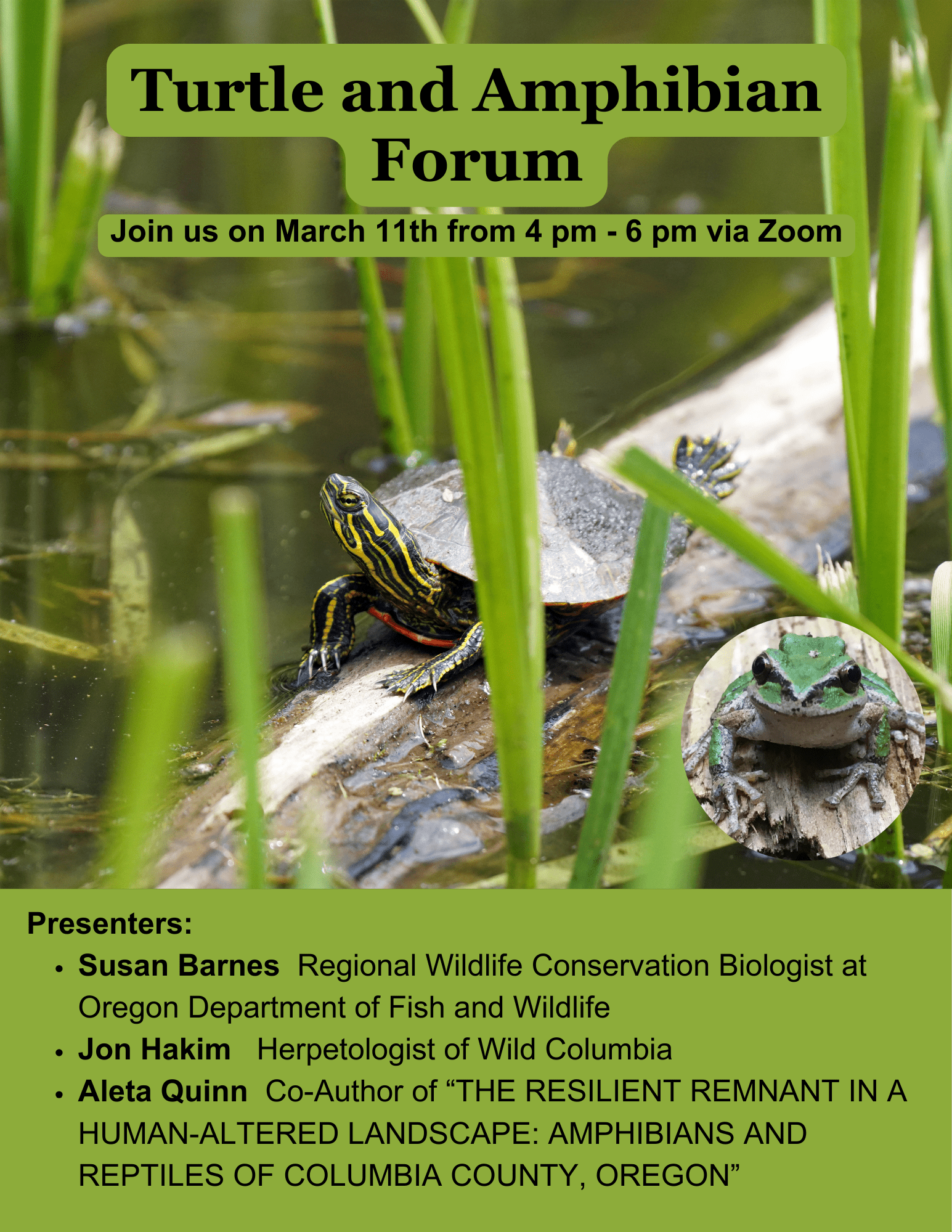
Edit: The video of the event can now be viewed here: The Scappoose Bay Watershed Council will be holding an online Turtle and Amphibian Forum on Wednesday, March 11th from 4 pm to 6 pm. You can register here via Zoom. The speakers will be Susan Barnes of ODFW, Jon Hakim of Wild Columbia, andContinue reading “Turtle And Amphibian Forum via Zoom”
Wonders of the Boise Cascade Property (Conservation Priorities #2)
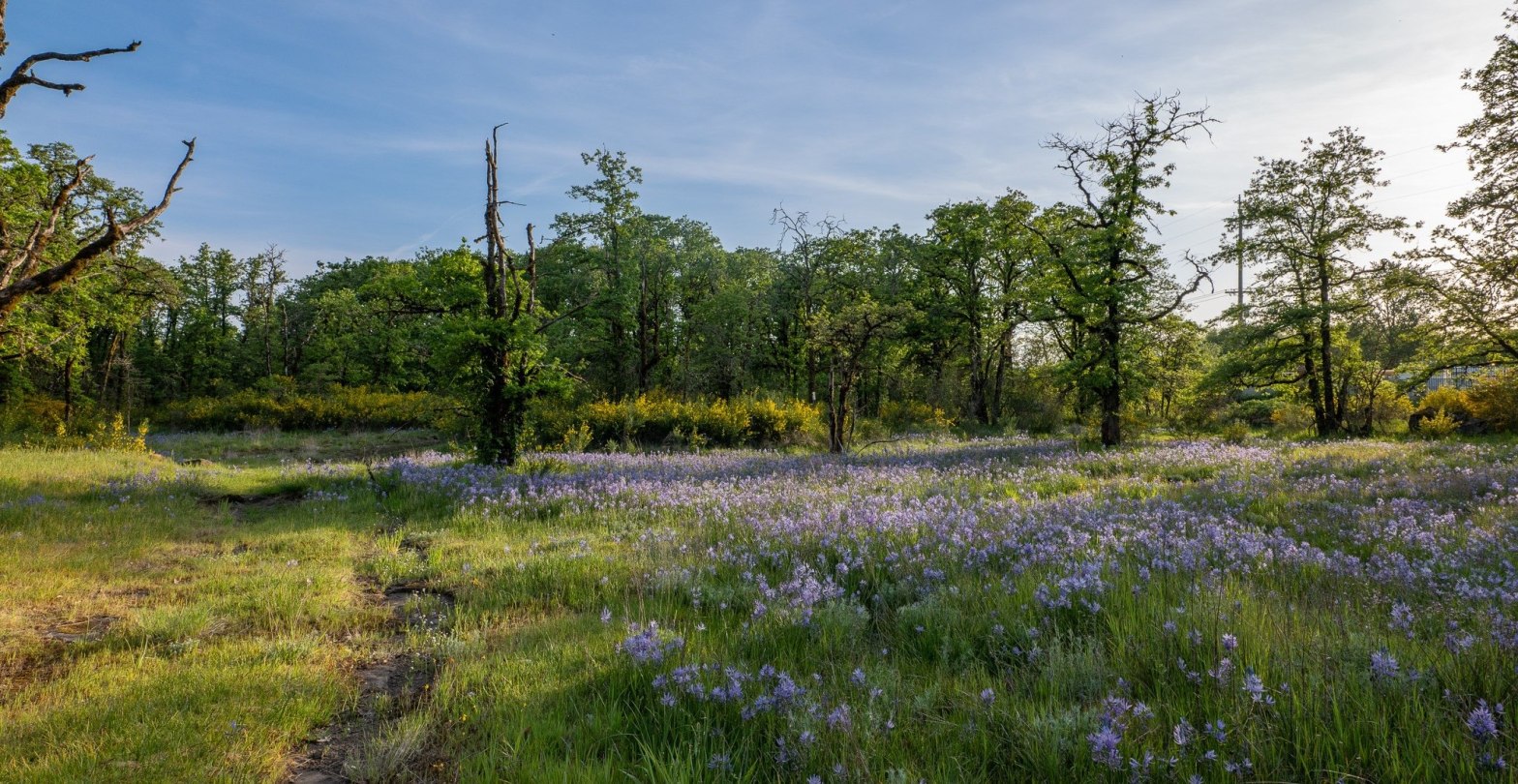
The second conservation priority site we identified was the wilderness portion of the old Boise Cascade property (now coined the St. Helens Industrial Business Park). It made our list as the second-most pristine site for meadow reptiles. The complex supports Rubber Boas, Racers, and one of just three populations of Western Skinks in Columbia County.Continue reading “Wonders of the Boise Cascade Property (Conservation Priorities #2)”
The OPB Interview

So, I did the interview for OPB’s “Think Out Loud” segment and it went fine. I was nervous going in and made a few minor mistakes – the biggest of which was saying we found 3 new invasive species and 3 new native species, when it is actually 2 new invasive and 4 new native.Continue reading “The OPB Interview”
The Carcus Creek/Lava Creek complex (Conservation Priorities #1)
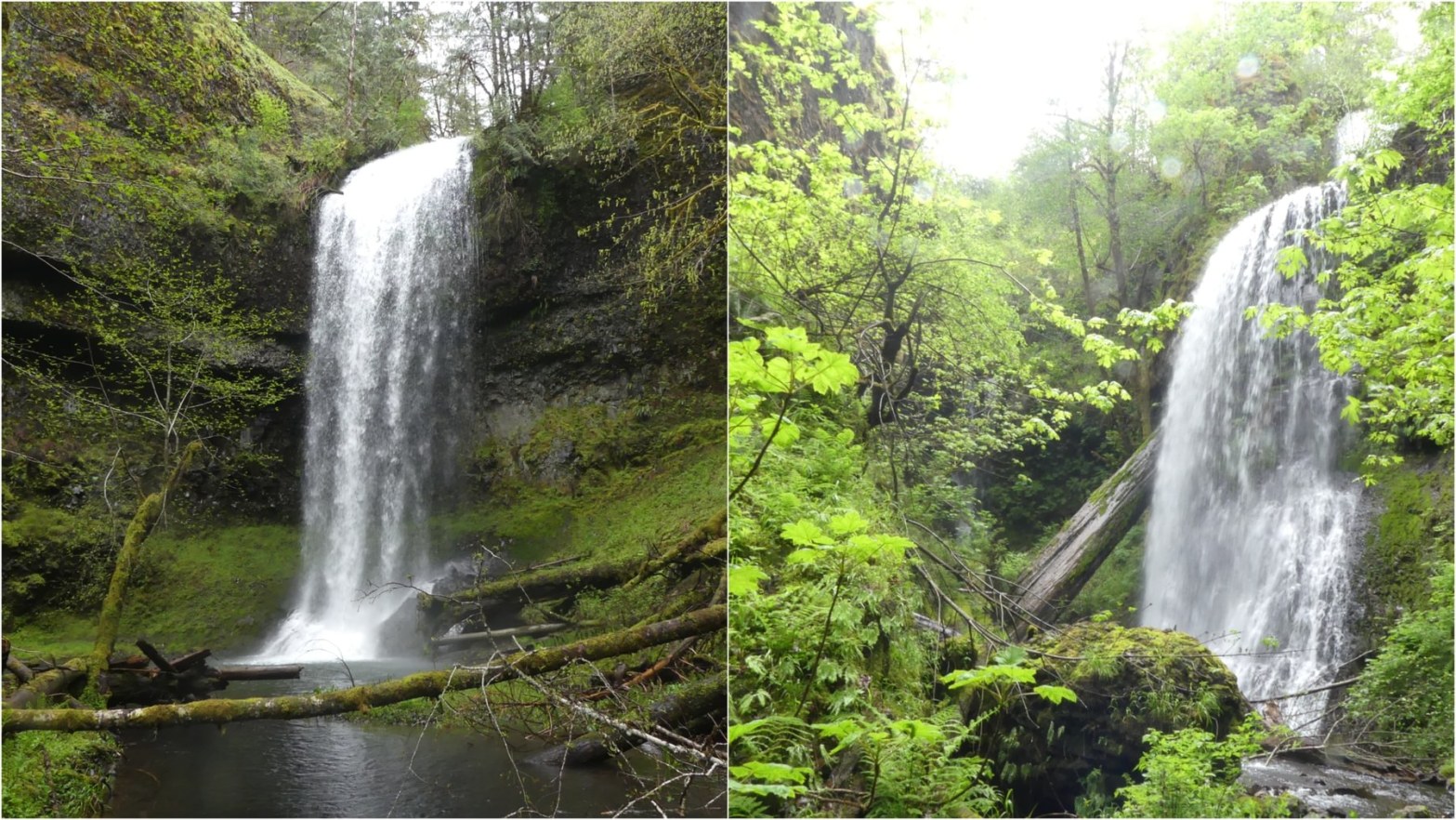
After all that work collecting data and studying habitat associations, we identified five habitats as the greatest conservation priorities for reptiles and amphibians in Columbia County. The first of those is the Carcus Creek / Lava Creek complex. Introduction to the Land The area in question is ~6 miles east of Mist in the centerContinue reading “The Carcus Creek/Lava Creek complex (Conservation Priorities #1)”
The study is published! Part 2: Where are these animals found?
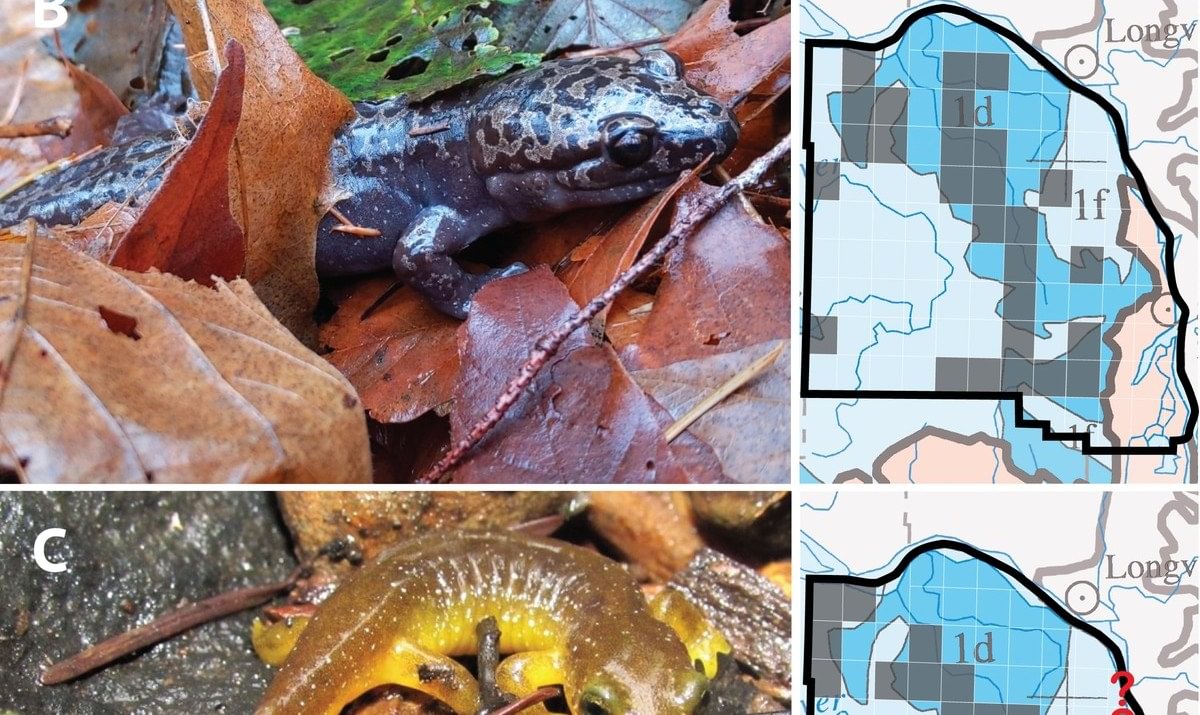
One of our goals was to determine where each species was found. We ended up with much more interesting data than we had expected. The reptiles and amphibians of Columbia County fall into four major distribution patterns, all of which are closely tied to the geographic features of the county. The shaded squares in theContinue reading “The study is published! Part 2: Where are these animals found?”
The study is published! Part 1: What animals did we find?
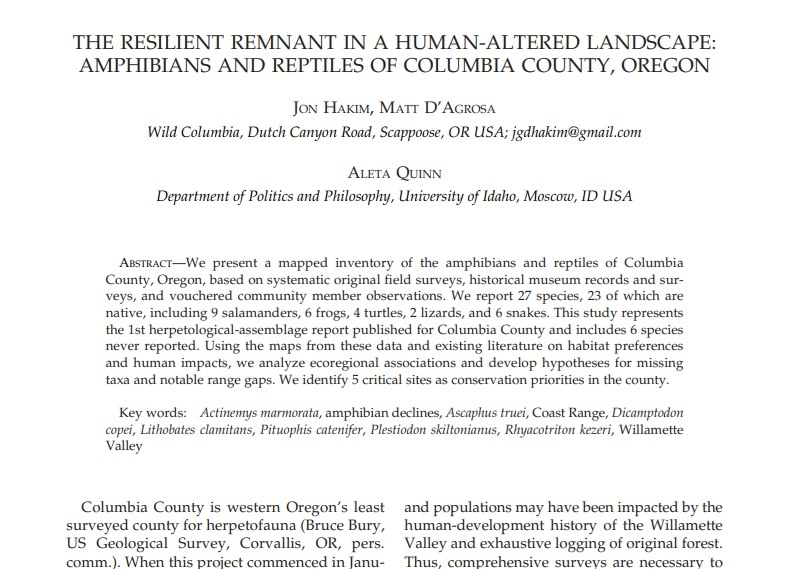
Our paper is finally published! This was a labor of love, the product of years of research, over a thousand hours of surveying, and months of writing and editing. We deeply thank the hundreds of contributors who provided us with data, the scores of landowners who let us survey on their property, and the dozensContinue reading “The study is published! Part 1: What animals did we find?”
Writing our report on Reptiles and Amphibians – with pictures!

We have to apologize for the lack of posts recently. Both Matt and I have been extremely busy, and one of the tasks keeping us busy is putting together the report for the Columbia County Reptiles and Amphibians study that we’ve been working on for nearly five years. This is your last reminder – ifContinue reading “Writing our report on Reptiles and Amphibians – with pictures!”
The scientific basis for “Columbia County Reptiles and Amphibians”

We’re close to finishing our survey, and thought it would be a good time to share the video we presented last year to the Northwest Partners in Amphibian and Reptile Conservation (NW PARC). This video explains in depth how we set up the project and what we hope to get out of it. Since weContinue reading “The scientific basis for “Columbia County Reptiles and Amphibians””

