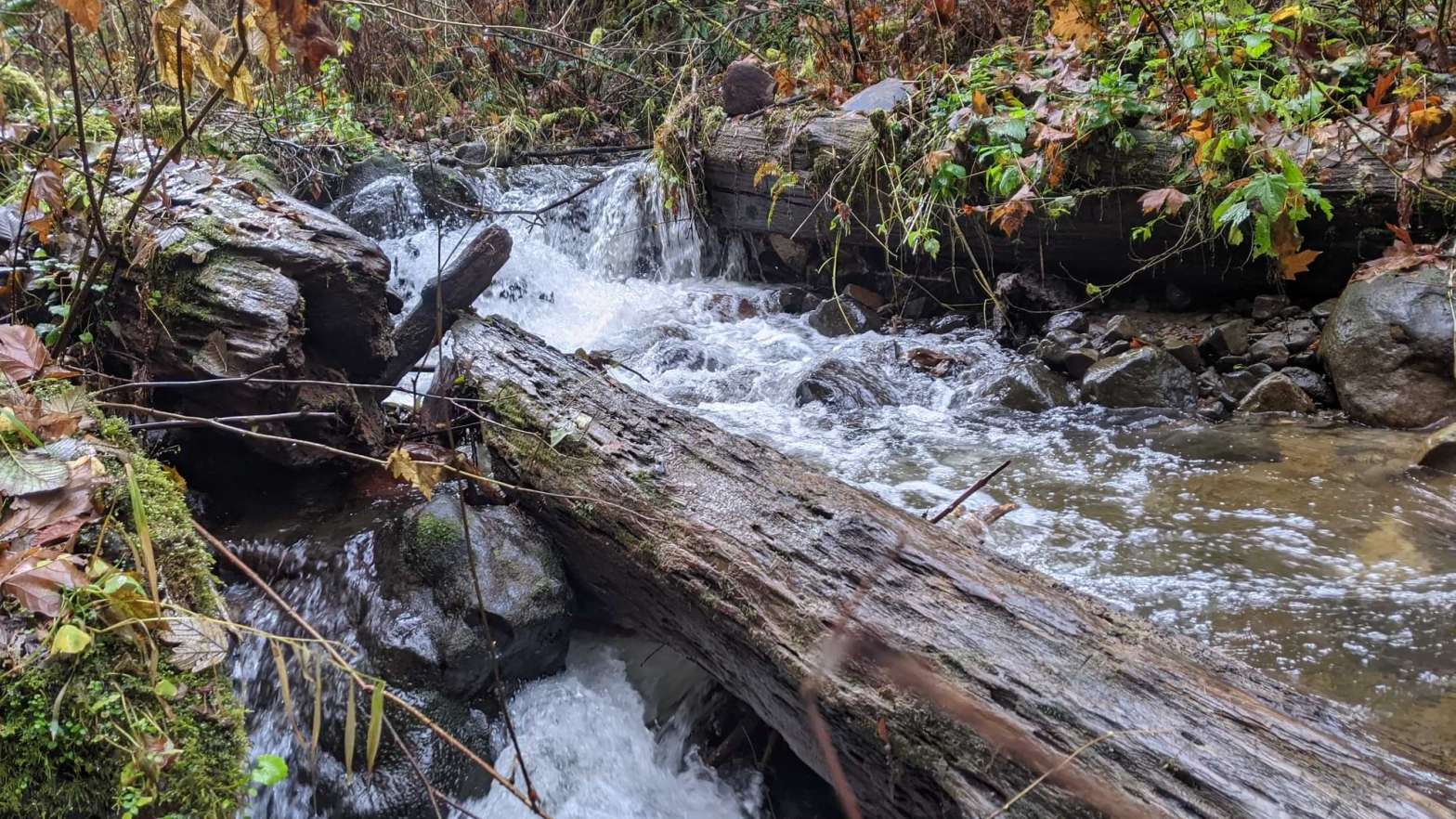
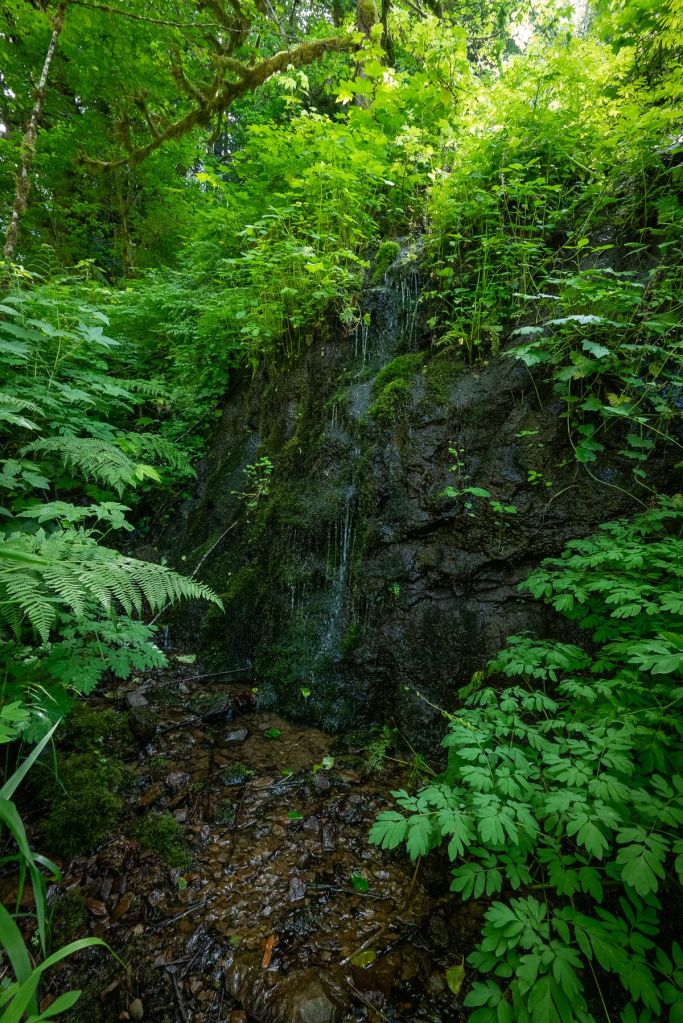
Graham Creek is our study’s 2nd-best locale for amphibian biodiversity, with 10 amphibian species found in just two trips. While it initially looked much like any other stream, the creek life there benefits from vertical canyon walls, which shade the water during much of the day and reduce logging impacts to some degree.
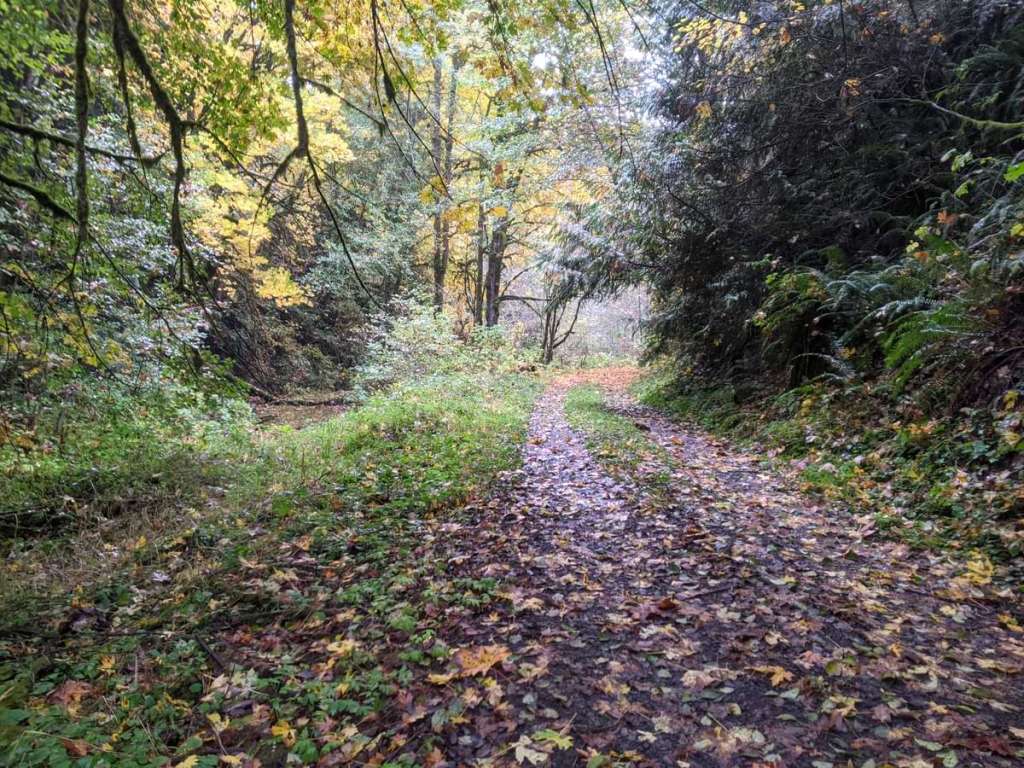
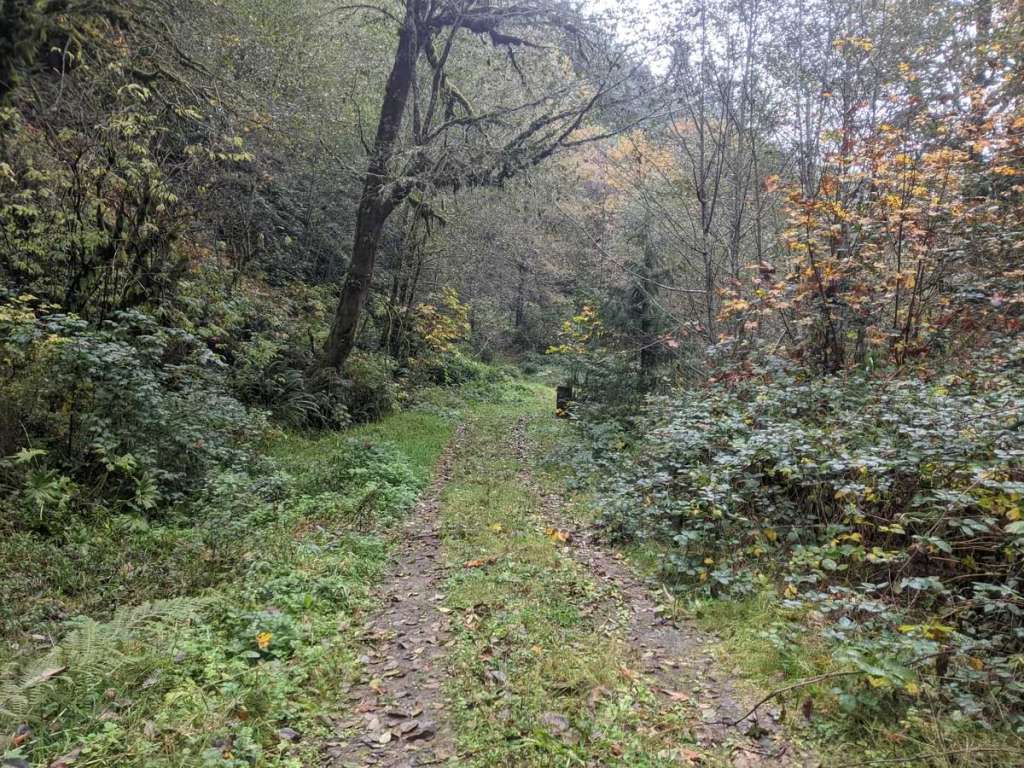
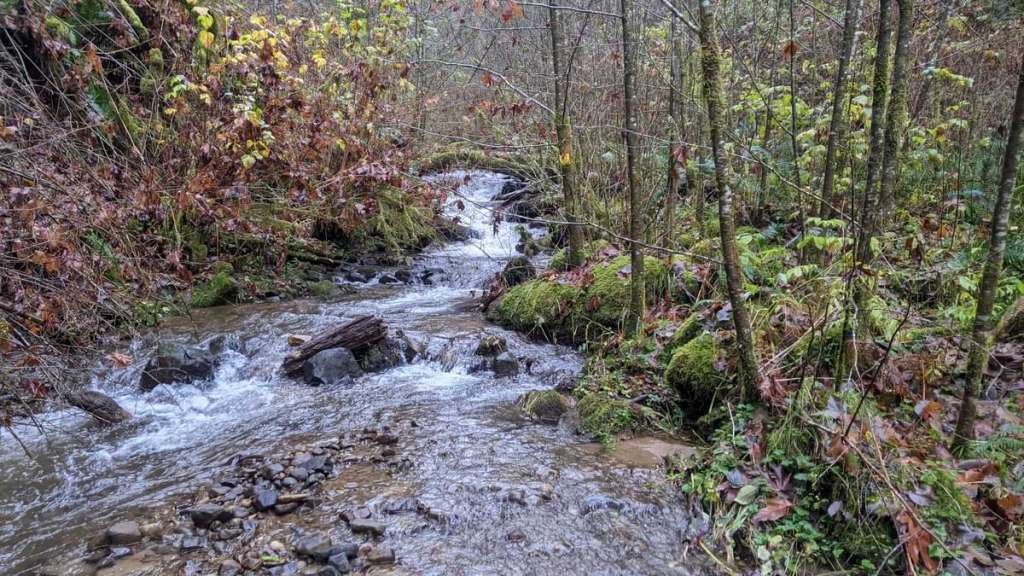
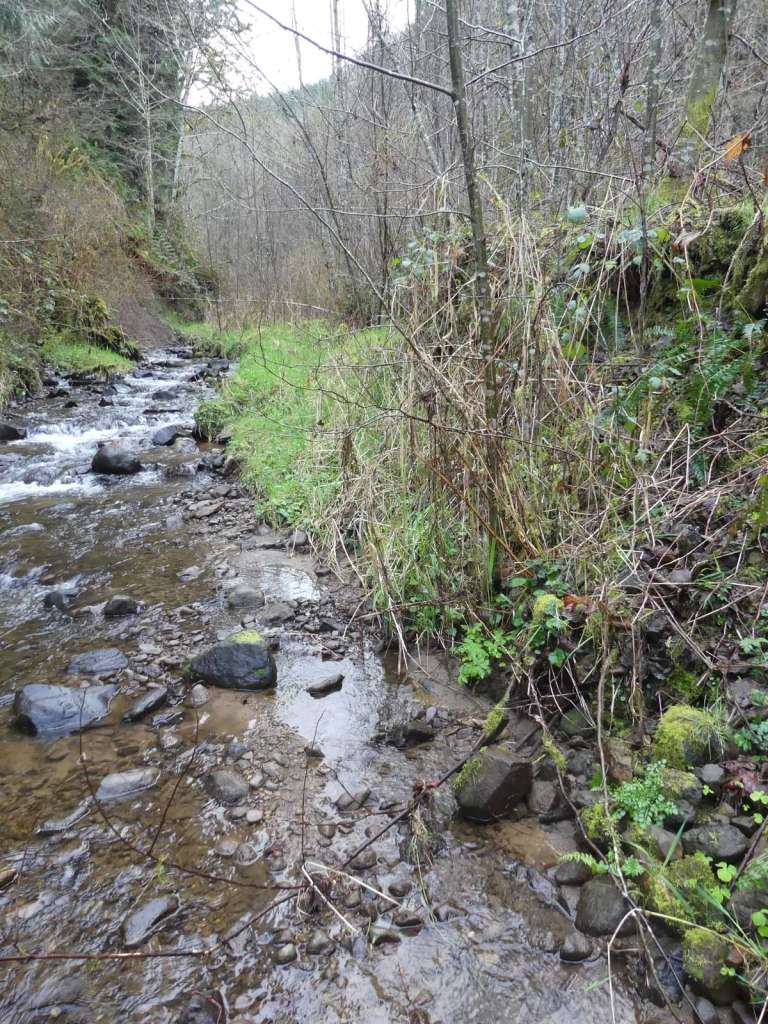
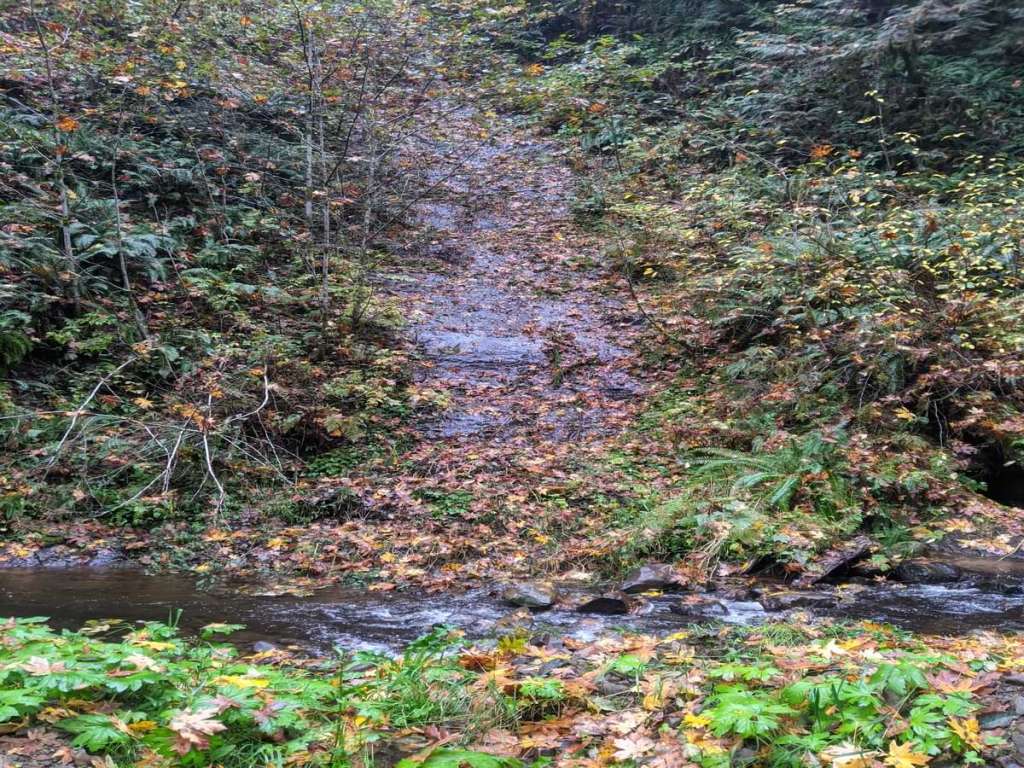
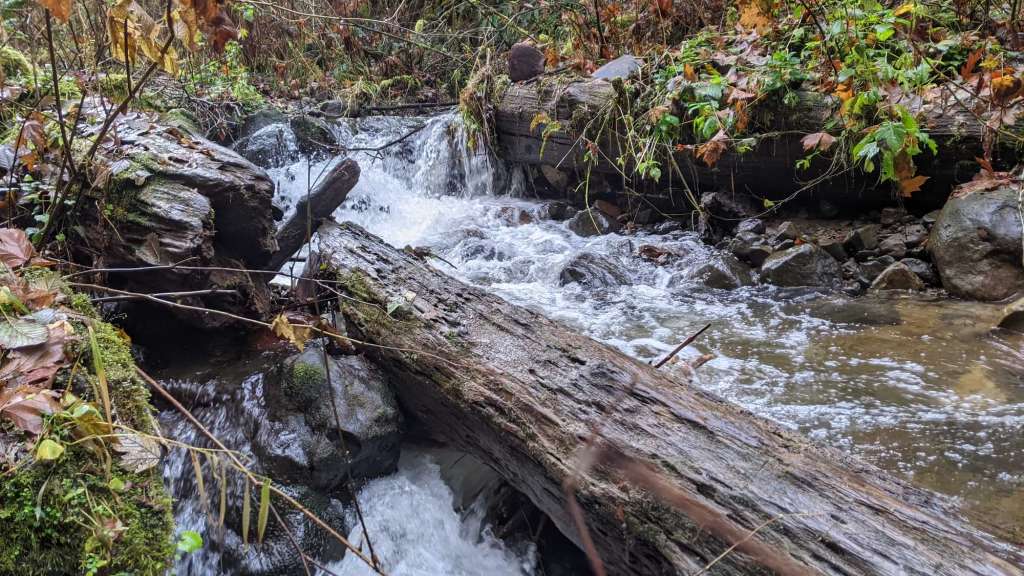
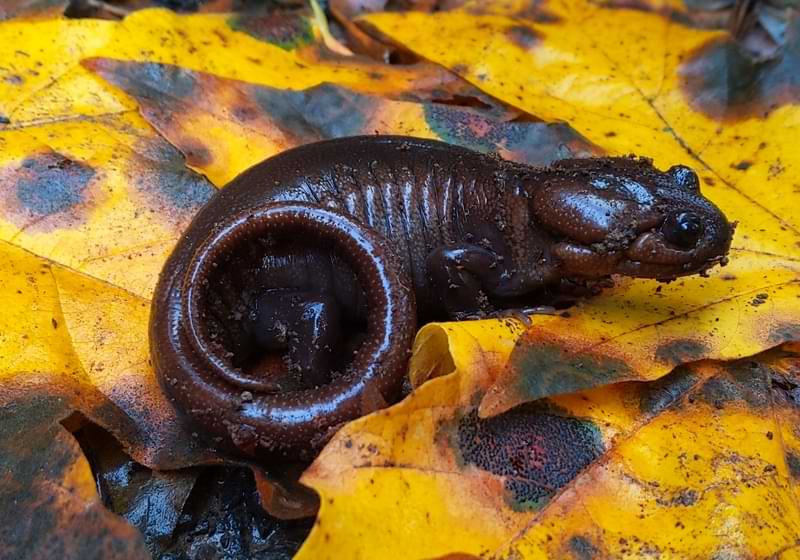
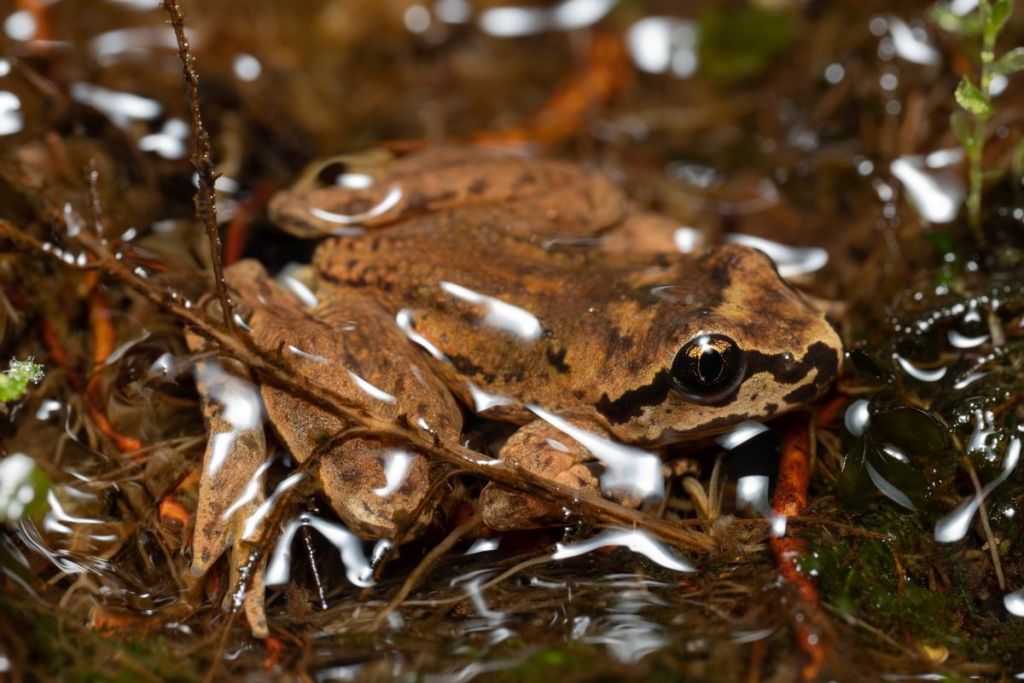
The ten species of amphibians we found there included Northwestern Salamanders, Dunn’s Salamanders, Coastal Giant Salamanders, and Northern Red-legged Frogs (an Oregon Conservation Strategy Species).
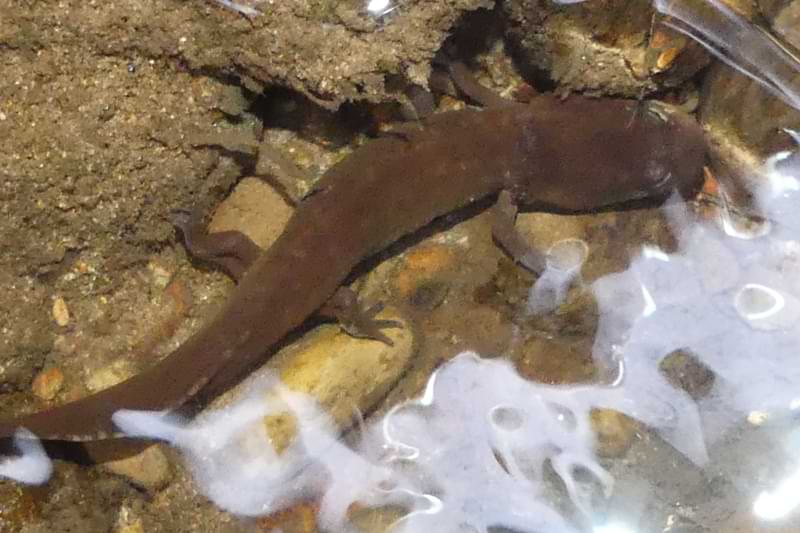
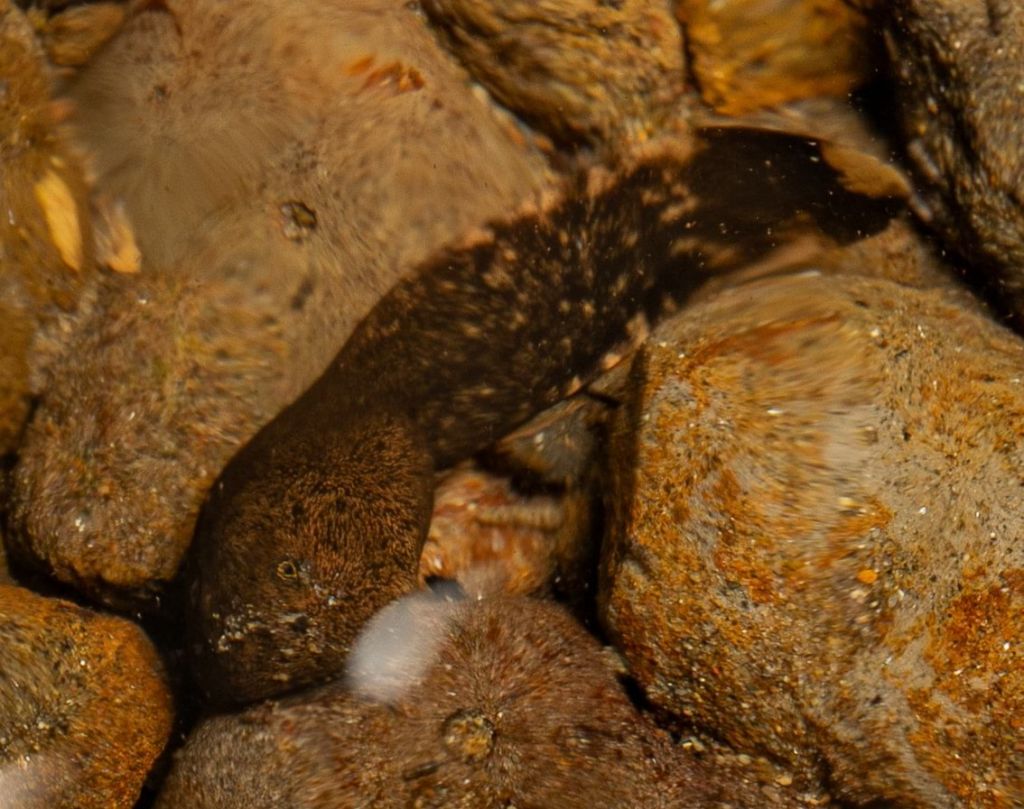
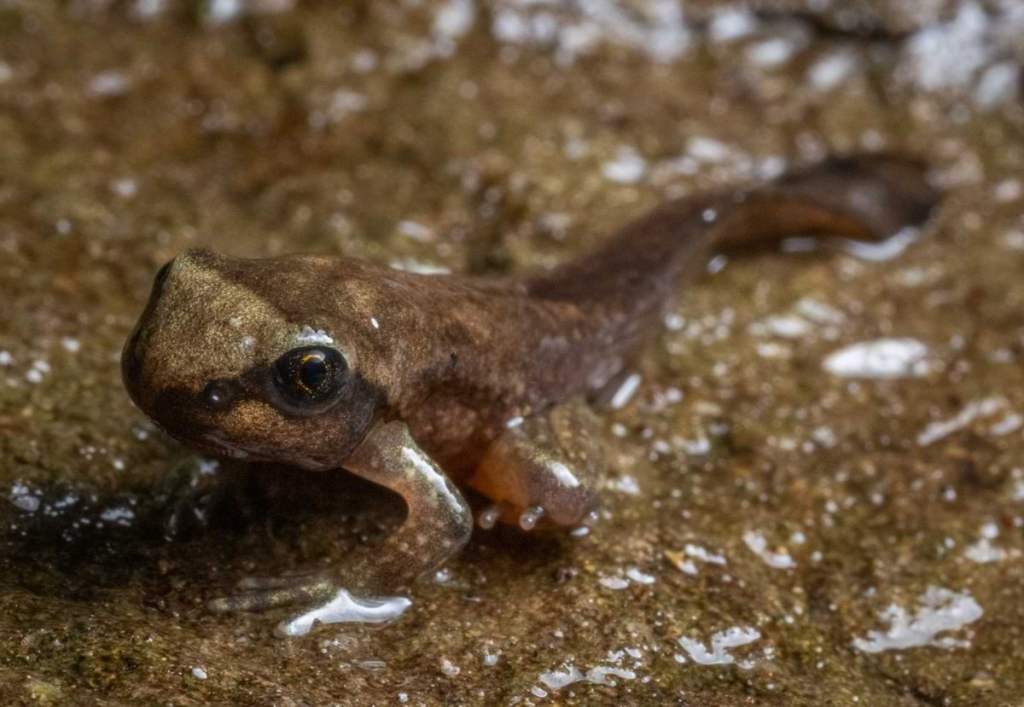
The creek was home to one of just three Coastal Tailed Frog populations (another Oregon Conservation Strategy Species) that we found in the county. Lucas Green took the following photographs, showing all stages of development:
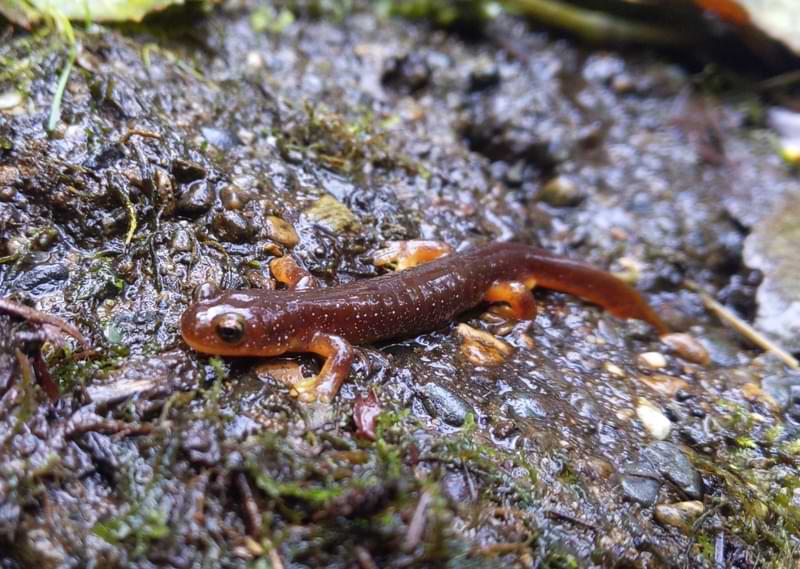
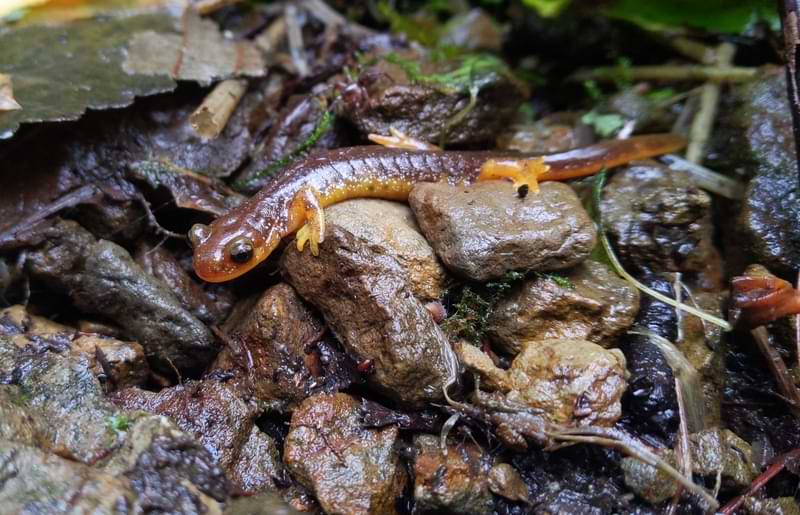
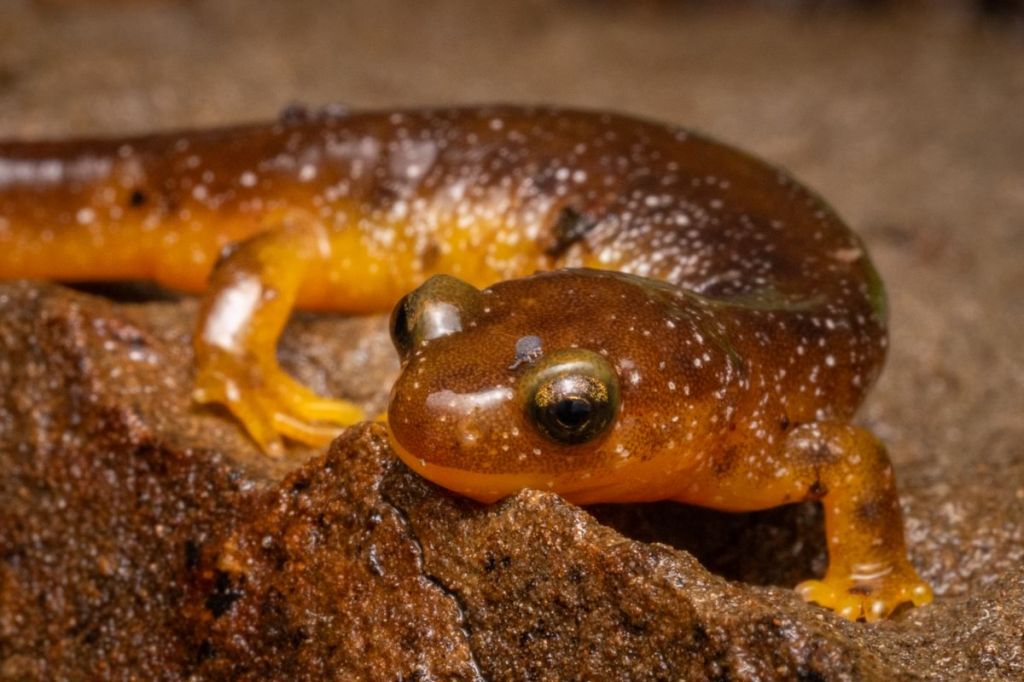
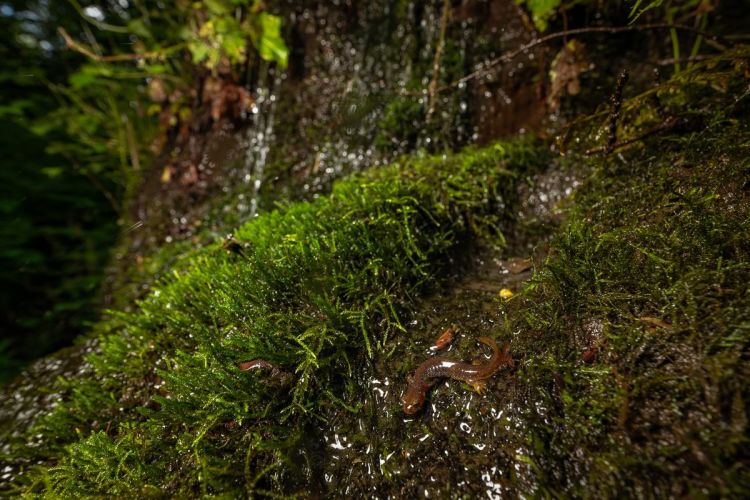
The creek also hosts the largest Columbia Torrent Salamander population that we’ve found, yet another Oregon Conservation Strategy Species.
The key to these impressive amphibian populations are those vertical canyon walls. In a healthy mature forest, most streams would be shaded and relatively clean and sedimentation-free. But in managed forests, the disruptions caused by clearcutting and road-building result in sunlight warming the creeks and disturbed soil polluting the waterways. When a stream has vertical rock slopes, the height provides additional shade, also a degree of buffer from sedimentation issues that other managed streams don’t get.
Despite its small size, Graham Creek is a nice little fish creek too. It has been deemed Critical Habitat for Coho Salmon, a Federally Threatened species. In 2024, the culvert under Highway 30 was replaced with a new 16-foot wide culvert in order to improve passage for these salmon, as well as for the Steelhead and Coastal Cutthroat Trout who also use the creek. Graham Creek was one of the sites chosen for an experimental Chum Salmon reintroduction in 2013, but that was minimally successful.
Pete Baki, a fisheries biologist who worked on that Highway 30 fish passage, shared some of his observations with us. He saw numerous salmon/steelhead fry, Western Brook Lampreys, and Pacific Lampreys in this lower part of the creek, along with a mix of other aquatic life including Shorthead Sculpin, Reticulate Sculpin, Speckled Dace, Three-spined Stickleback, Coastal Giant Salamander, and Pleated Juga.
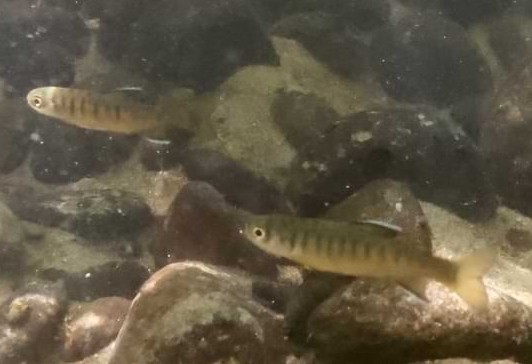
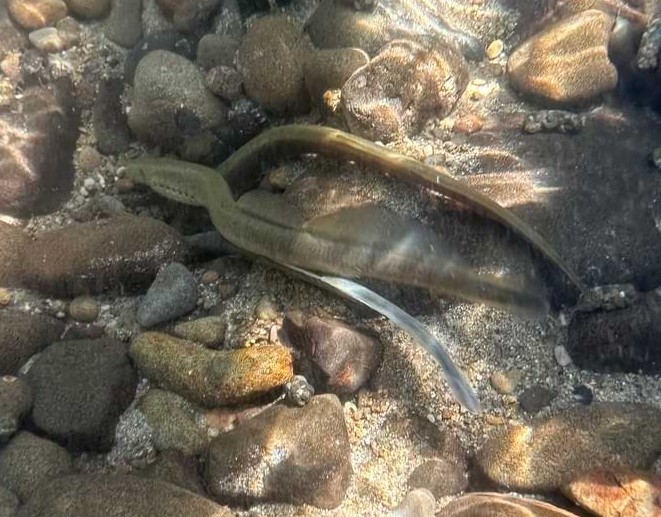
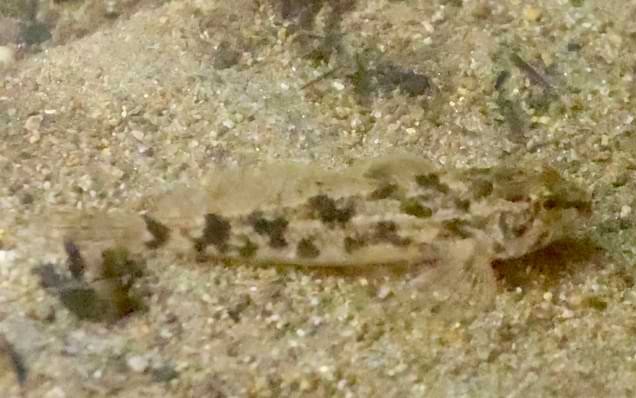
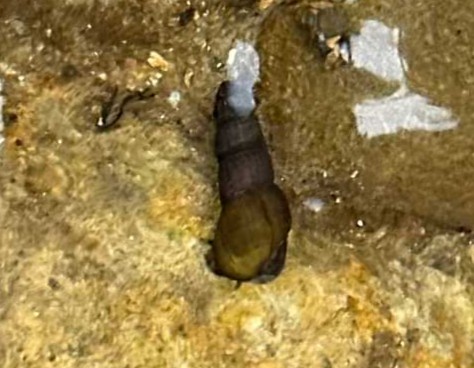
Many of these species are of conservation interest – in addition to the Federally Threatened Coho Salmon and Steelhead, those Western Brook Lampreys and Pacific Lampreys are Federal Species of Concern and Oregon Conservation Strategy Species, Coastal Cutthroat are ORBIC List 1 (Threatened/Endangered range-wide) and Oregon Conservation Strategy Species, and Pleated Juga are listed as “Vulnerable” by NatureServe.
Compared to the other sites that were tagged as conservation priorities, we spent relatively little time surveying Graham Creek. We didn’t realize its value until late in the study, and it was a long drive for us. If we had gotten the chance, I would have been interested to hike further upstream in the remote possibility that the canyon supported Cope’s Giant Salamander, or even a Western Toad population.
What is needed for the creek’s conservation? Key portions of the creek are owned by the Midland Water Association. If they are taking water out of the creek, that may be fine for amphibians so long as the water is taken far enough downstream, though it could impact fish populations. Someone with more expertise than ourselves would have to study that. Otherwise, the surrounding land is owned by timber companies. If they follow the new rules of the Private Forest Accord and leave the 100+ foot logging buffers now required of such streams, it’s quite likely the stream will remain strong for amphibians for decades to come. [Though, as we’ve said before, many researchers recommend 150-250 feet for buffers, or the height of one mature tree.]
How unique is Graham Creek? We saw several small streams that had this similar protected canyon habitat, such as forks of Conyers Creek and an unnamed tributary of Adams Creek, and we are certain there are other such streams we didn’t get to survey. The continuing biodiversity of all of these streams will depend on how logging, road, and development impacts affect the temperature and sedimentation levels of the water. Our hope is that landowners and land managers take this into account and do what they can to keep our small fish-and-amphibian streams healthy for the generations to come.
 Wild Columbia County