Stink Bugs, Shield Bugs, and related Plant Bugs of Columbia County, Oregon
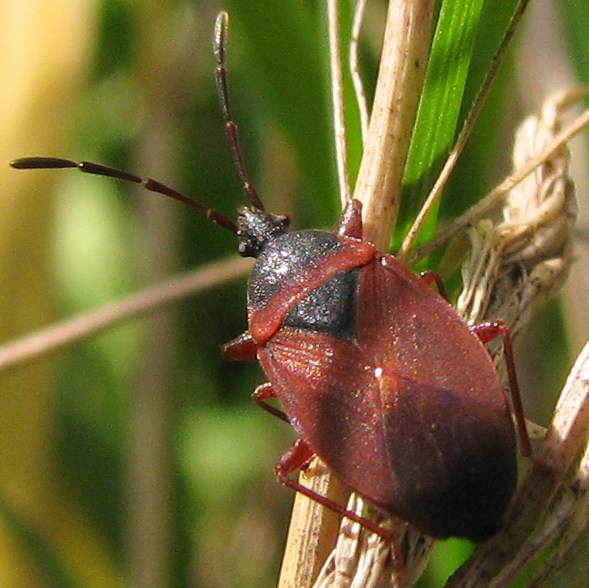
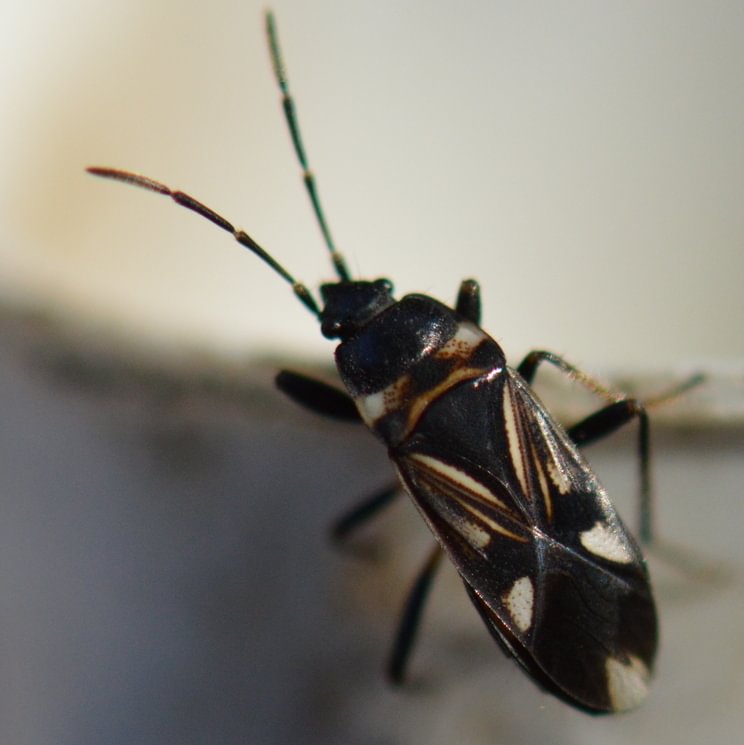
Stink Bugs, Shield Bugs, and the rest of the insects on this page are all members of Pentatomomorpha, an infraorder of True Bugs (order Hemiptera). They are most closely related to Cimicomorpha, the Assassin Bugs and Capsin Bugs, and are somewhat more distantly related to Water Bugs and Water Striders.
Like all true bugs, the members of this group have piercing/sucking mouthparts. Most of these species use those mouthparts to suck plant sap, though a few are carnivorous and feed on other insects. They have a hard exoskeleton.
Note on identifications – in the “nymph” stage, many of these bugs go through several color phases quite different from those of their parents. As it would be too cumbersome to show every possible nymph stage for every species, I’ve chosen to only focus on adults. If you wish to identify a nymph you will have to look up the individual species or post to Bugguide or iNaturalist.
Stink Bugs (Pentatomidae)
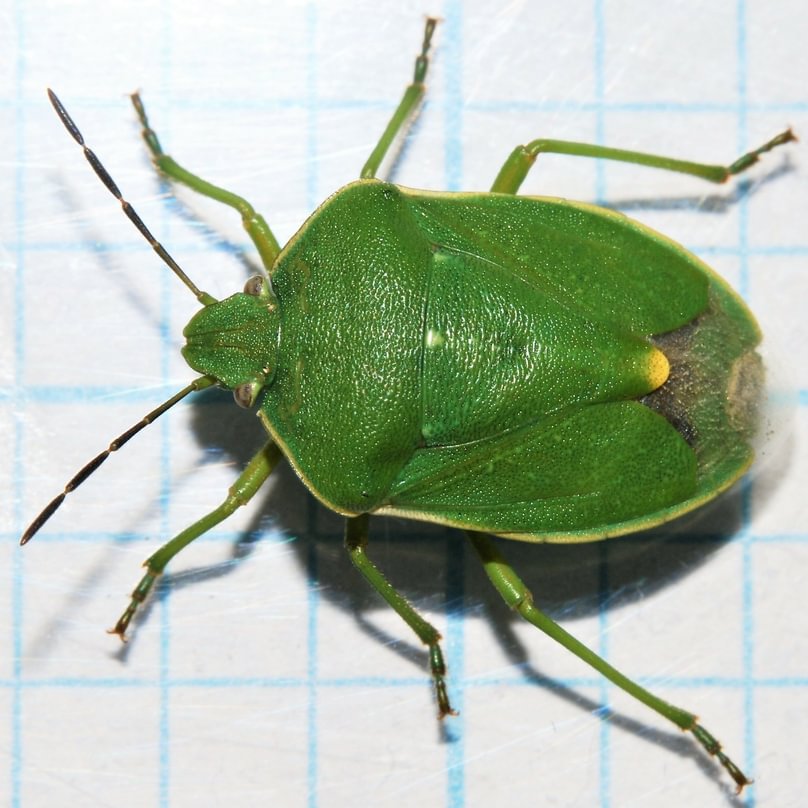
Members of the family Pentatomidae are famous for the foul odor they emit when disturbed. They tend to have a shield-shaped body and a five-segment antennae. While most species suck plant juices, a few are predatory.
Though the name “Shield Bug” is used for many related bugs, the family Acanthosomatidae takes the name as a whole because….well, they’re shaped like a shield. They also have a spine on their abdomen adjacent to the rostrum. Again, most of these species suck plant juices.
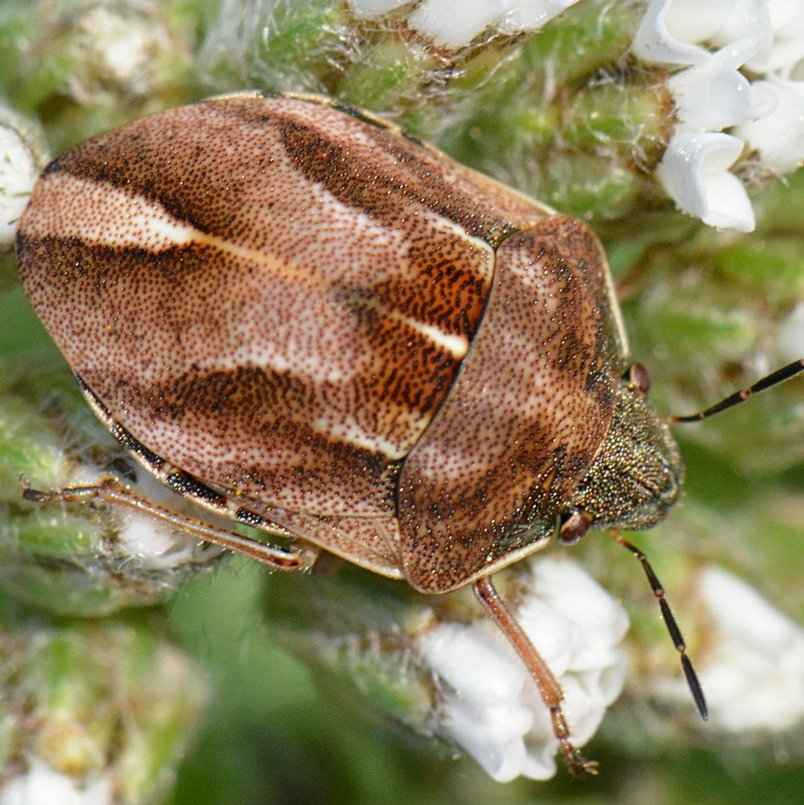
This bug family is distinct in that their scutellum extends over their entire back, giving the appearance of a continuous shield and sometimes causing them to be mistaken for beetles. They are also known as “Jewel Bugs” due to the colorful appearance of some species. Like Stink Bugs they can produce a noxious smell. They feed on plant juices.
As with the shield-backed bugs, their scutellum extends over their entire back, causing them to be mistaken for beetles. They can be distinguished from beetles by their five-segment antennae and unique mouthparts. They feed on flowers and young seeds.
These unique bugs are as flat as their name suggests, adapted to live under the bark of dead trees. Most species are very drab in coloration. Little is known of their habits though it is assumed that they feed on fungus.
These plant sap-feeding bugs get their name from the colorful borders on either side of their body. They are found both on the ground and crawling in shrubs and low plants.
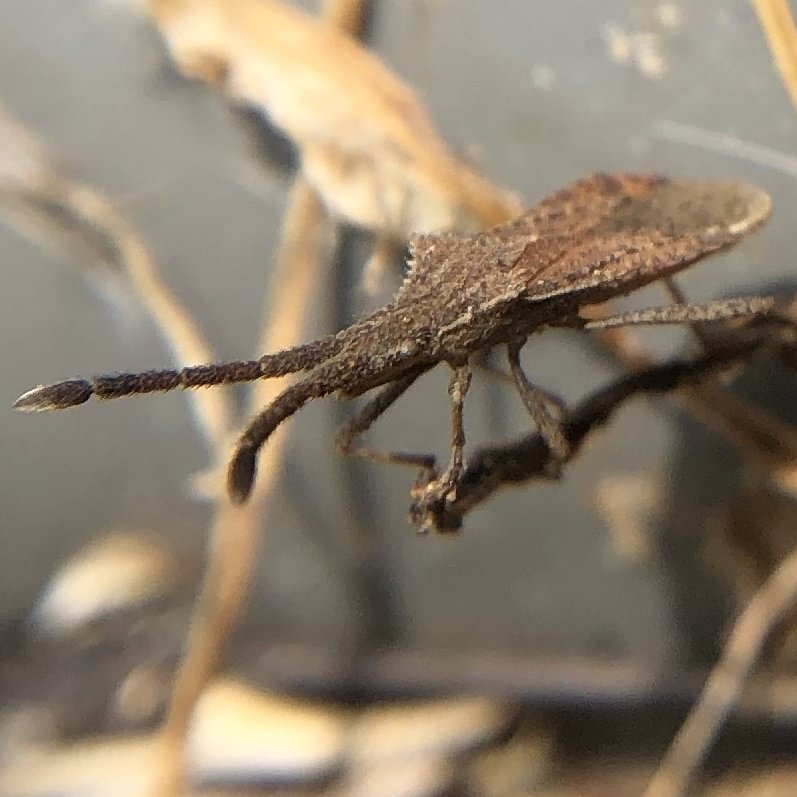
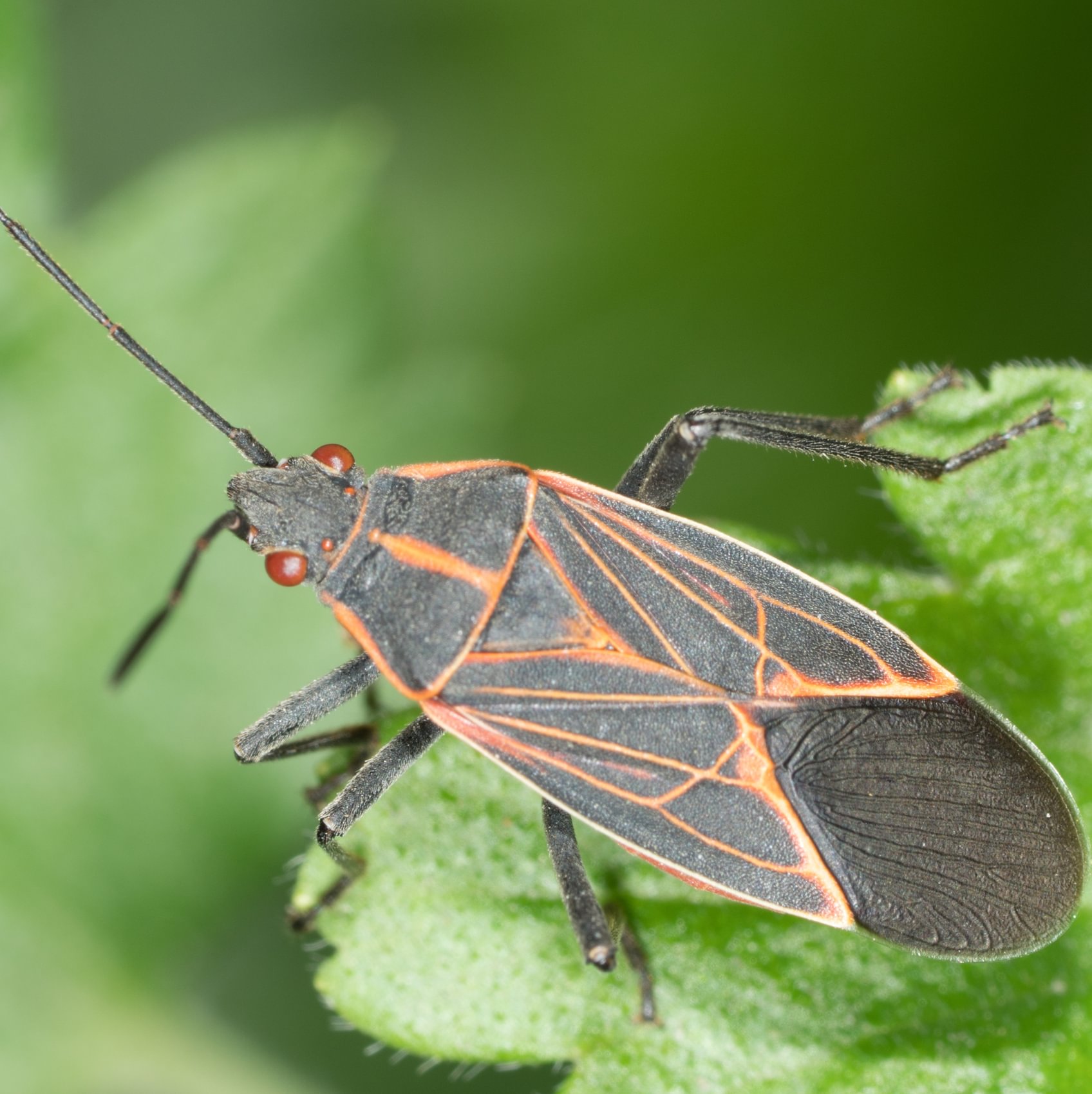
This superfamily of bugs gets its name from the broadly expanded rear legs in some species. Some emit an unpleasant odor when threatened, though “Scentless Plant Bugs” such at the Boxelder Bug do not have strong odor. They feed on the sap of plants, with some species specializing in young twigs while others focus on seeds.
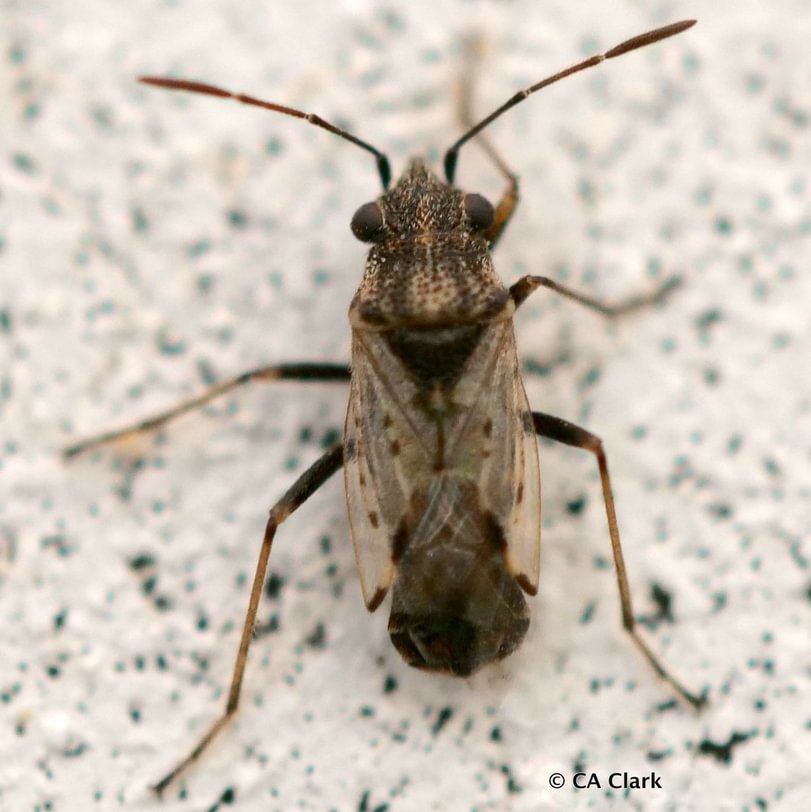
Of variable appearance though most tend towards drabber patterns of red, brown, gray, and white and have somewhat slender bodies. Their antennae only have four segments. As the name suggests, many bugs in this family are known to suck the nutritious interior out of young seeds, though some species drink plant sap or even attack other bugs. Many of the drab-colored species tend to be found on the ground and are known as “Dirt-colored Seed Bugs”.
2 thoughts on “Stink Bugs, Shield Bugs, and related Plant Bugs of Columbia County, Oregon”
Can I send you a bug photo? Need help identifying it… I think it is some sort of stink bug. Black with orange border, and three white dots… underbelly seems to be greenish in color.
To be honest, I’m a herpetologist, not an insect expert. Everything I know about bugs is what I looked up to make this guide, so if you can’t find it here then I won’t know what it is either. The best thing to do is create an https://inaturalist.org/ account, then you can upload the photo there and someone will ID it for you. That works for pretty much any kind of plant or animal.












Can I send you a bug photo? Need help identifying it… I think it is some sort of stink bug. Black with orange border, and three white dots… underbelly seems to be greenish in color.
LikeLike
To be honest, I’m a herpetologist, not an insect expert. Everything I know about bugs is what I looked up to make this guide, so if you can’t find it here then I won’t know what it is either. The best thing to do is create an https://inaturalist.org/ account, then you can upload the photo there and someone will ID it for you. That works for pretty much any kind of plant or animal.
LikeLike