To see a world in a grain of sand
And a heaven in a wild flower,
Hold infinity in the palm of your hand
And eternity in an hour.
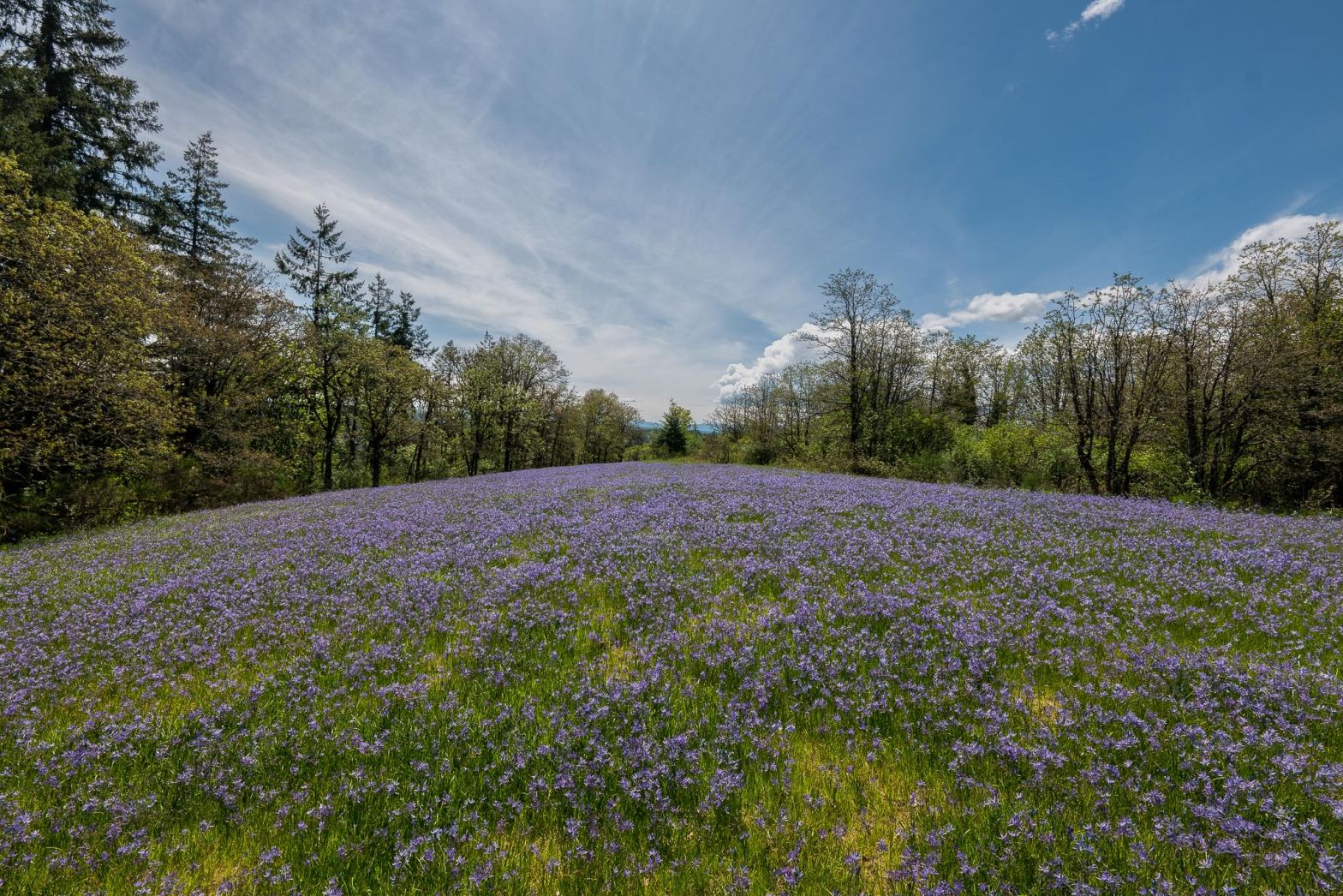
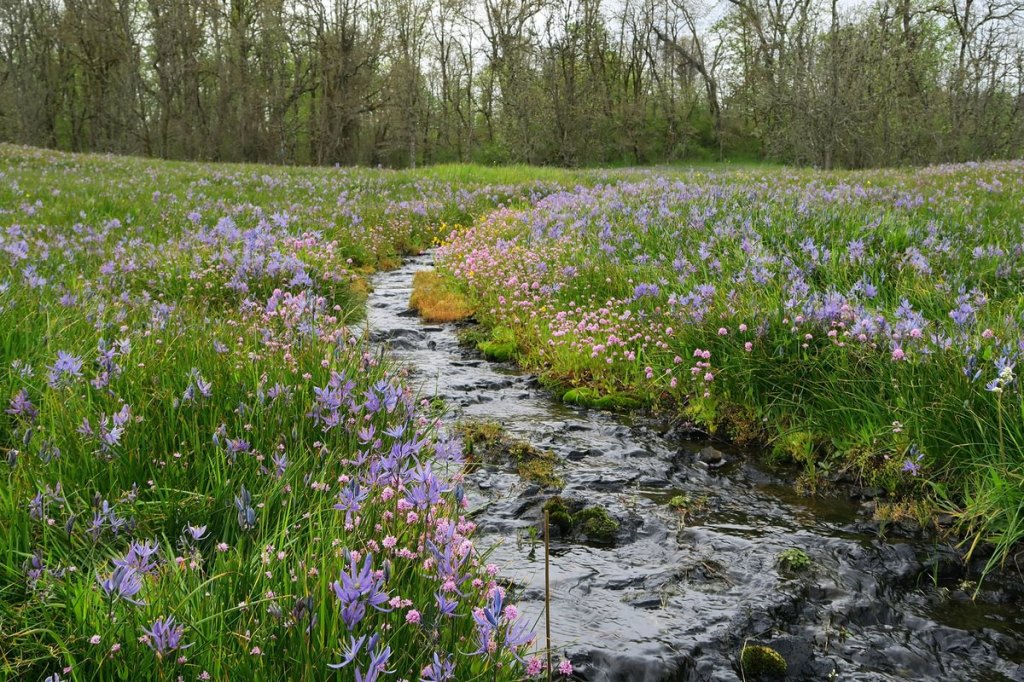
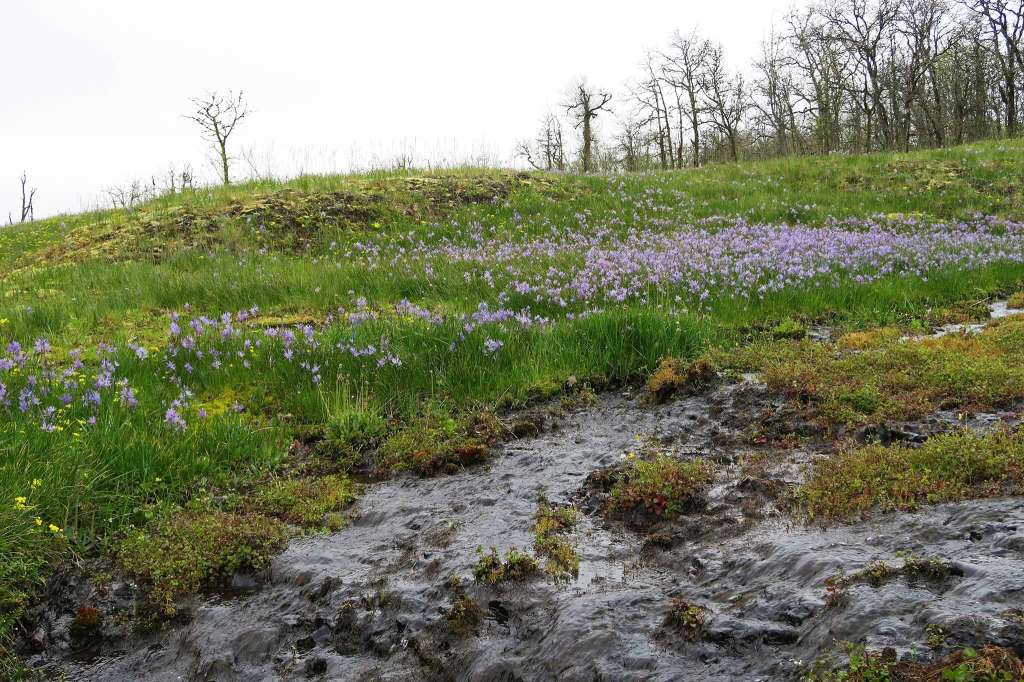
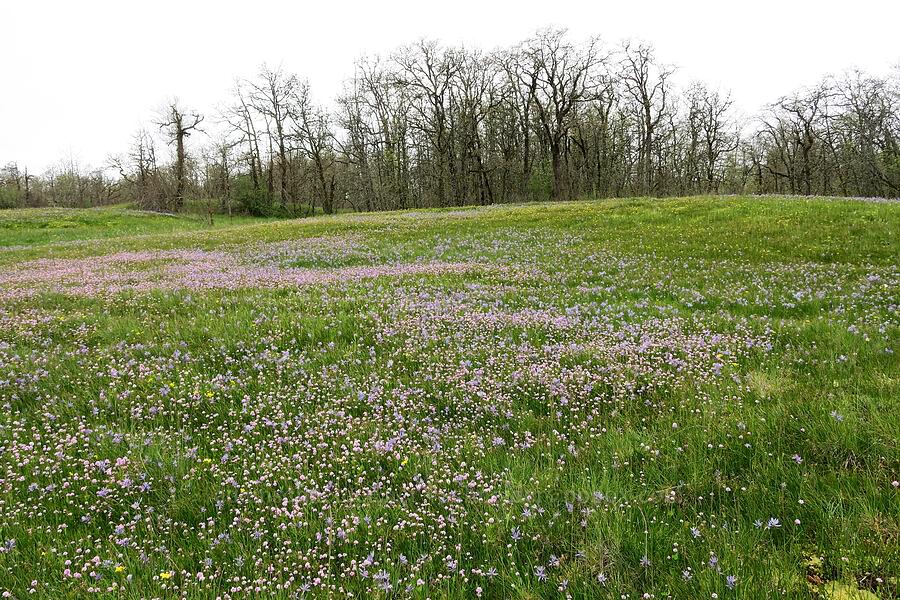
Liberty Hill is 280 acres of wildflower meadows and oak woodland, peppered with vernal ponds and streams. In the estimation of some experts, it is the most pristine example of native Willamette Valley meadow/oak complex remaining in Oregon.
In the evaluation of us regular folk who have walked the camas blooms in spring, it is the most beautiful landscape in St. Helens.
[below photos by Lucas Green]
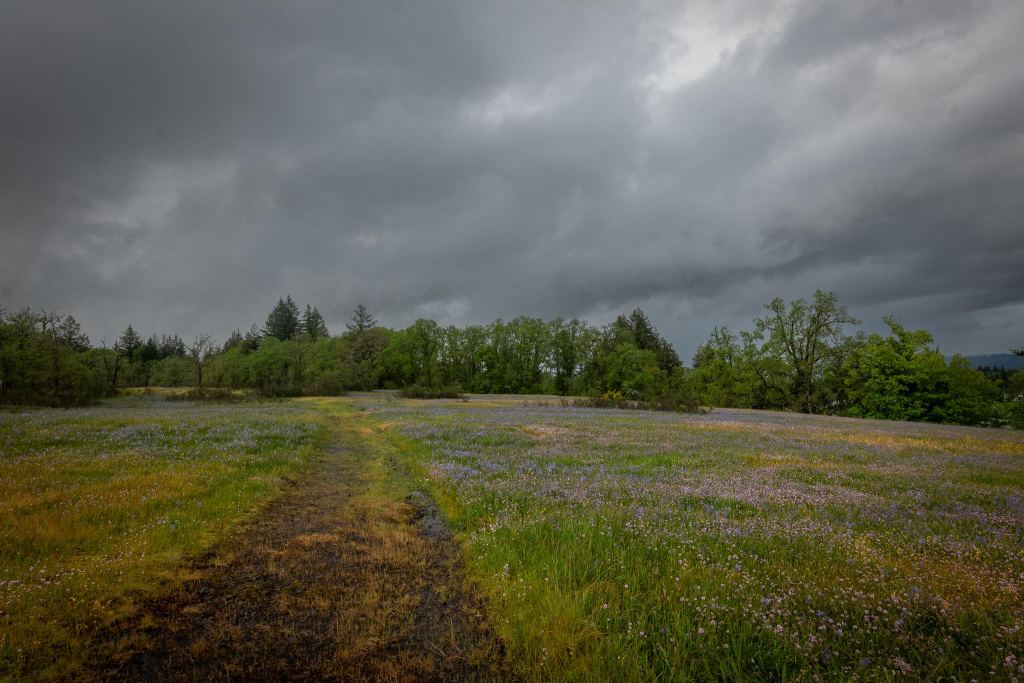
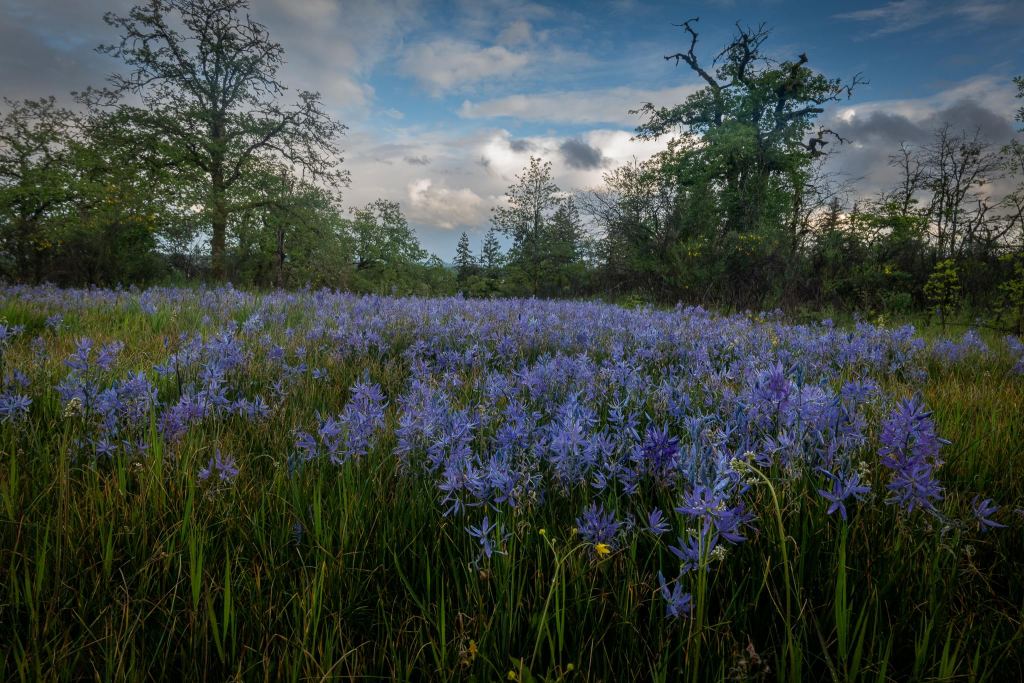
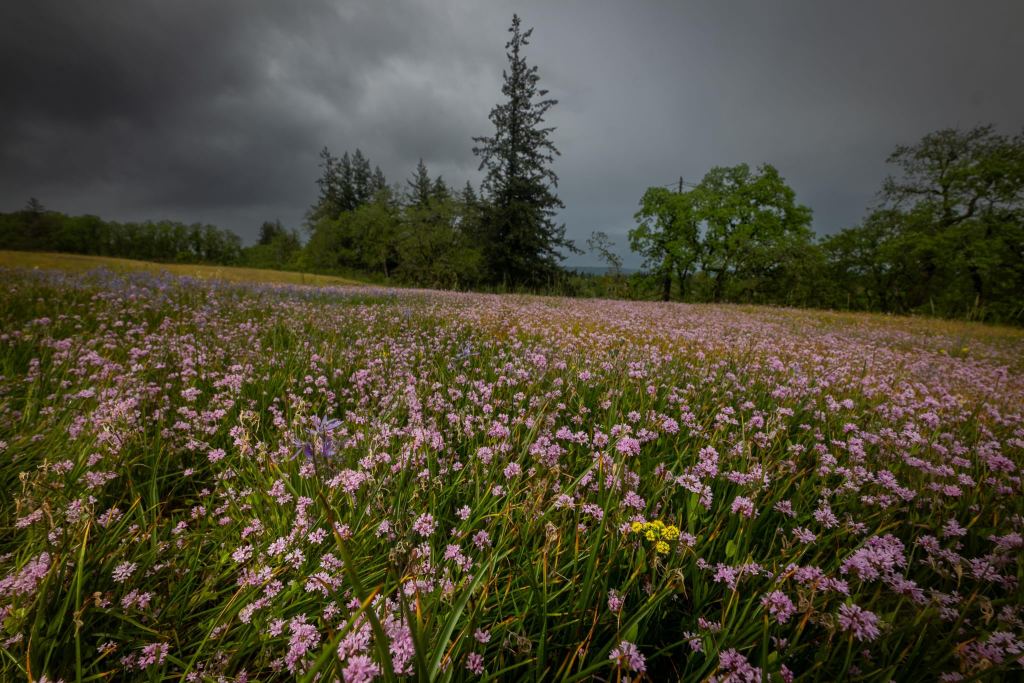
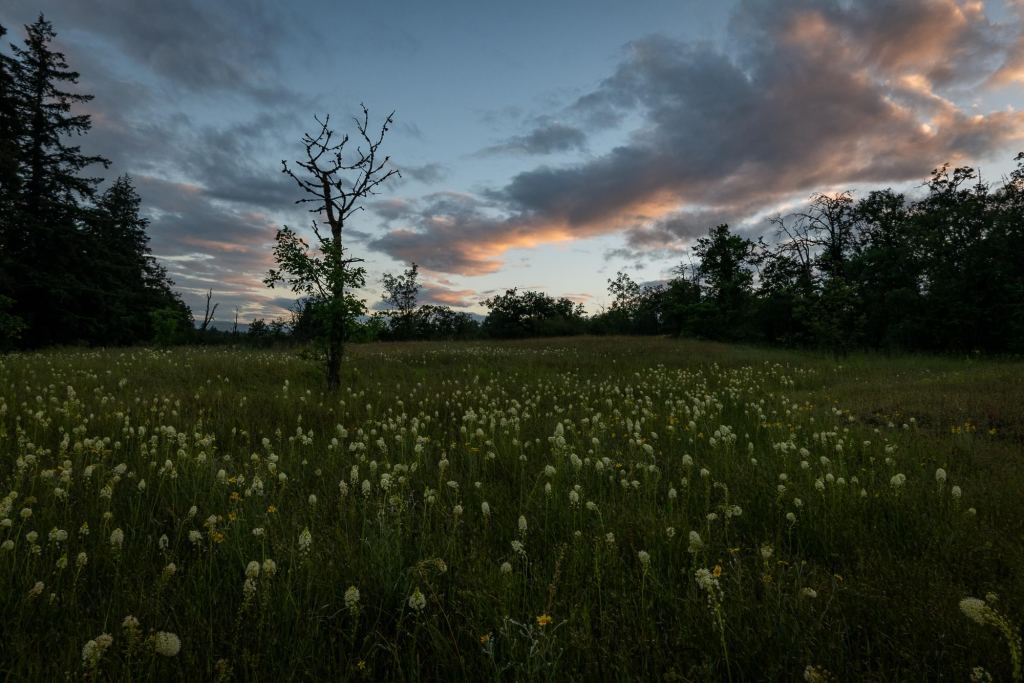
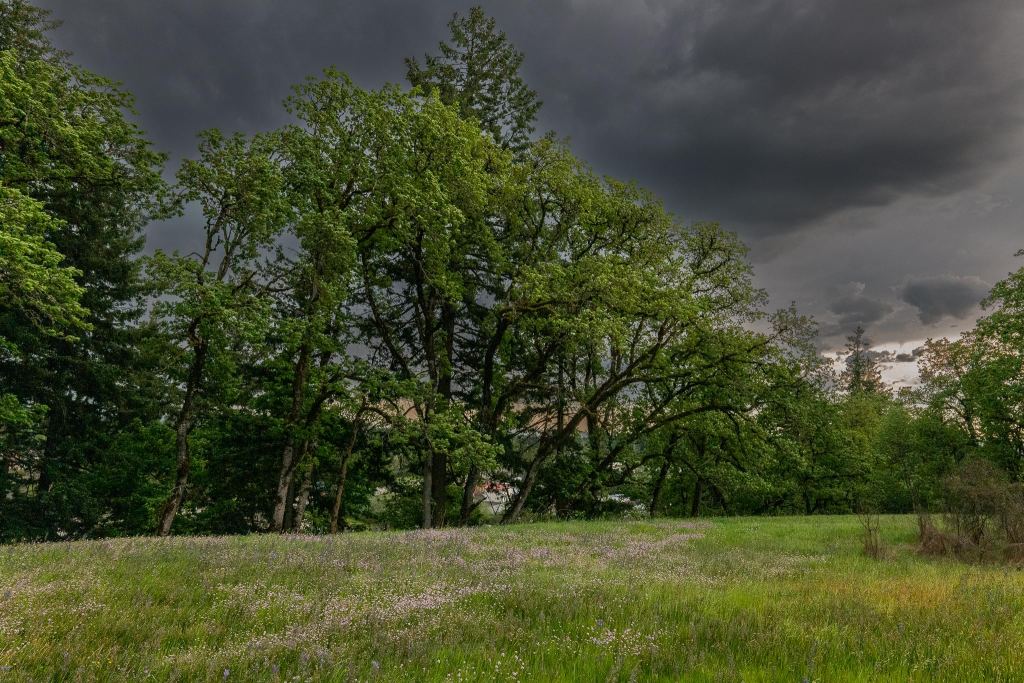
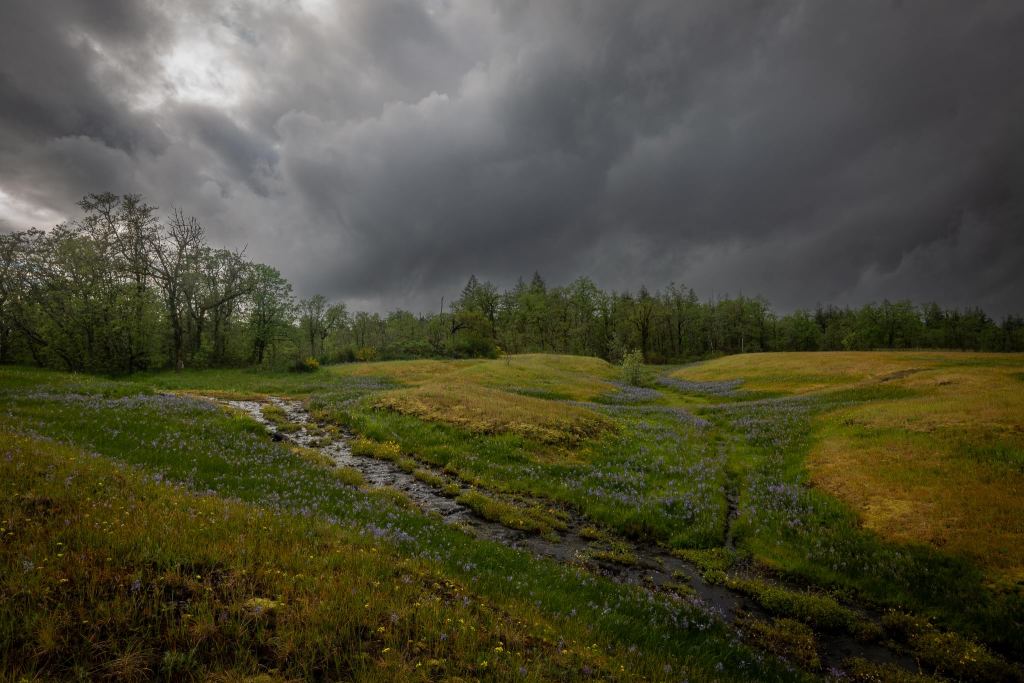
The hill gained its place as a conservation priority by having the most diverse snake and lizard assemblage in the county, including the healthiest populations of Western Skink, Rubber Boa, Racer, and Gopher Snake, as well as an array of wetland amphibians. Additionally, it has a spectacular rare plant community and impressive diversity of birds and invertebrates.
We’ve discussed the wonders of Liberty Hill as well as the ongoing threats in previous posts:
This time around, I want to give a fuller accounting of the biodiversity in this remarkable meadow.
[below photos by Adam Schneider – adamschneider.net/photos]
Plants
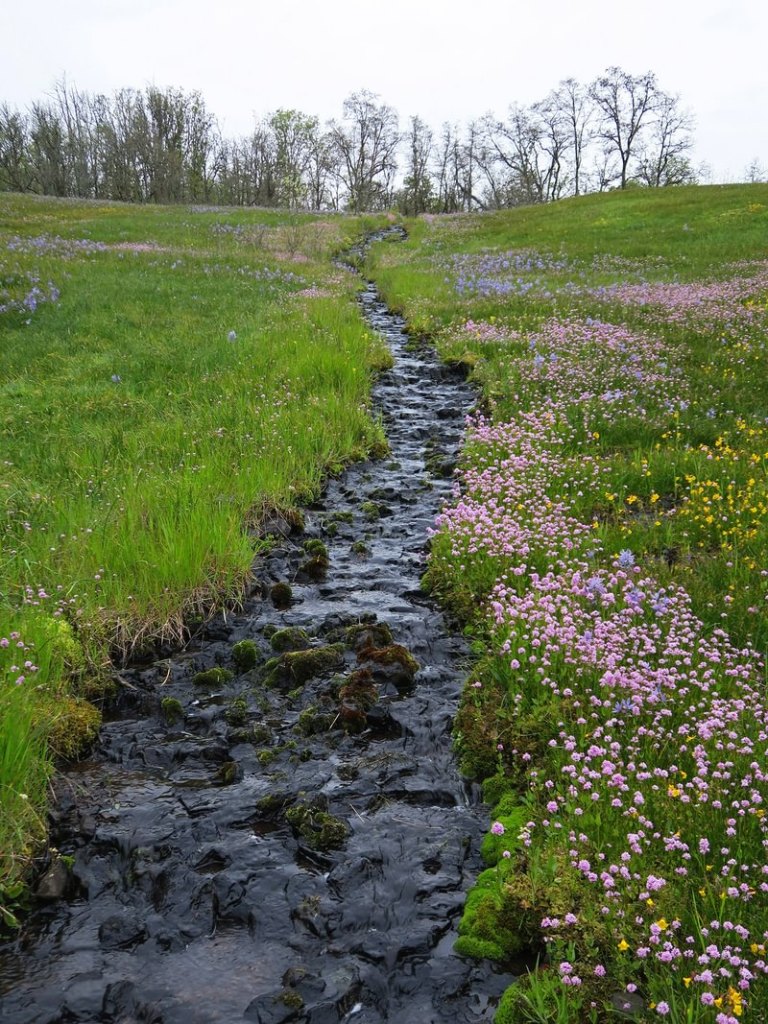
Liberty Hill is the most pristine surviving tract of Willamette Valley prairie, a highly endangered ecosystem that has been 99% destroyed by agriculture and development. Its camas meadows were once an important resource to Native Americans, while the vernal wetlands support prairie marsh vegetation difficult to find elsewhere. Even the dirt road that crosses through the meadow is a historic landmark, formed by wagons making their way to the nearby Masonic cemetery dating back to the 1850s.
Liberty Hill is most famous for its extensive camas blooms (the largest in western Oregon), but at least 287 other plant species have been recorded here. In 2002, botanist and rare plant expert Dr. Kenton L. Chambers of Oregon State University verified the uniqueness of the Liberty Hill site in an open letter. He praised the rare preservation of a native grassland and wildflower assemblage, and took time to describe six species of particular conservation interest.
– “My evaluation of the St. Helens scabland site is that it is particularly rich example of a close-to-pristine native wildflower plant community.“
– “My summary evaluation is that the St. Helens site supports an unusually rich native herbaceous flora, of a type that persists in relatively few places in western Oregon. I note that similar sites have been given special attention by conservation agencies, public and private, as set-asides to preserve their biological and esthetic values.“
Some of the notable uncommon species found at Liberty Hill Bluff include:
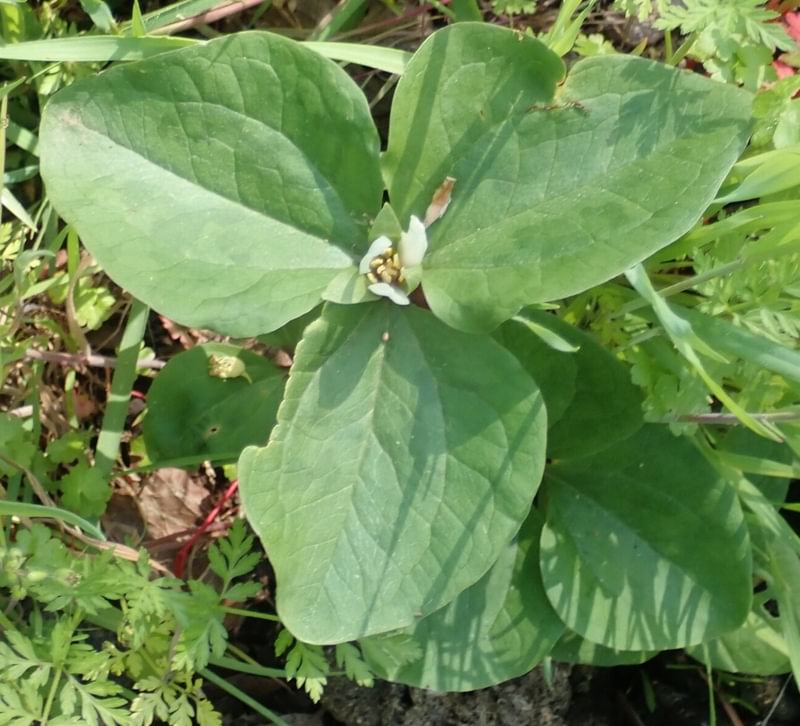
Small-flowered Trillium – ORBIC List 1 (threatened/ endangered throughout range), NatureServe Heritage S-2 (Imperiled in Oregon) and T-2 (subspecies Imperiled range-wide). Fewer than 1000 of this unique trillium remain in Oregon.
(photo Eric Carlson)
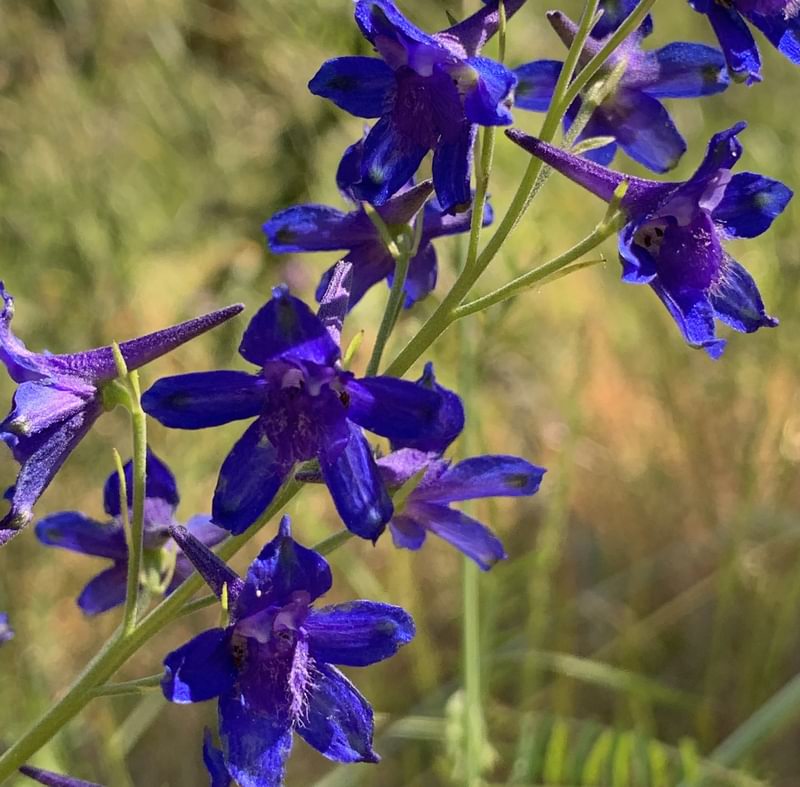
Nuttall’s Larkspur – ORBIC List 2 (threatened with extirpation in Oregon), NatureServe Heritage S-1 (Critically Imperiled in Oregon). Liberty Hill is the westernmost site in Oregon where this flower can be found.
(photo Larissa Huson)
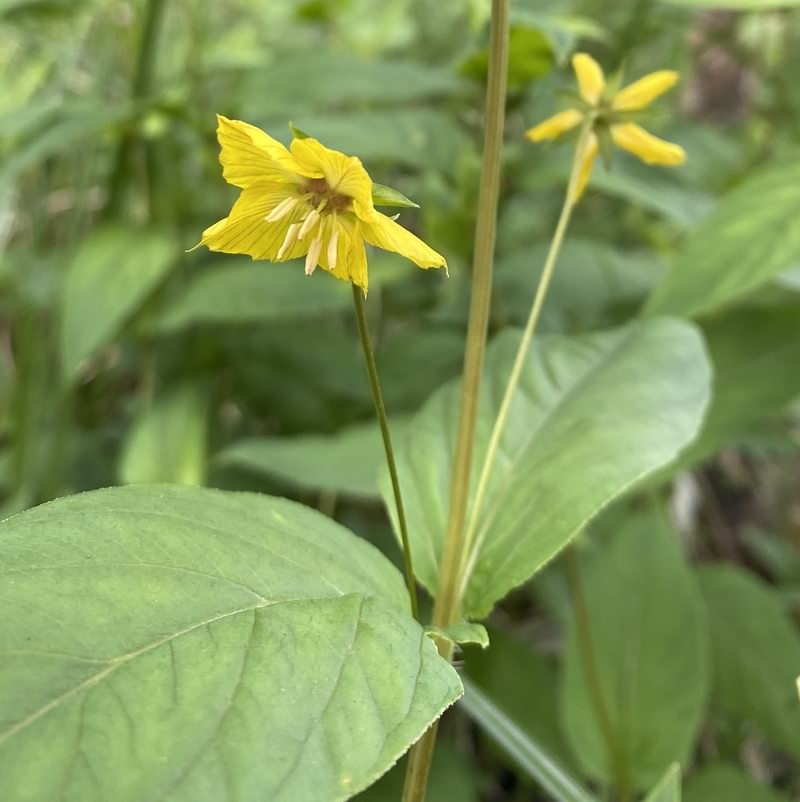
Fringed Loosestrife – A wetland perennial uncommon in Oregon, with the next closest population on Rooster Rock in the Columbia River Gorge.
(photo Larissa Huson)
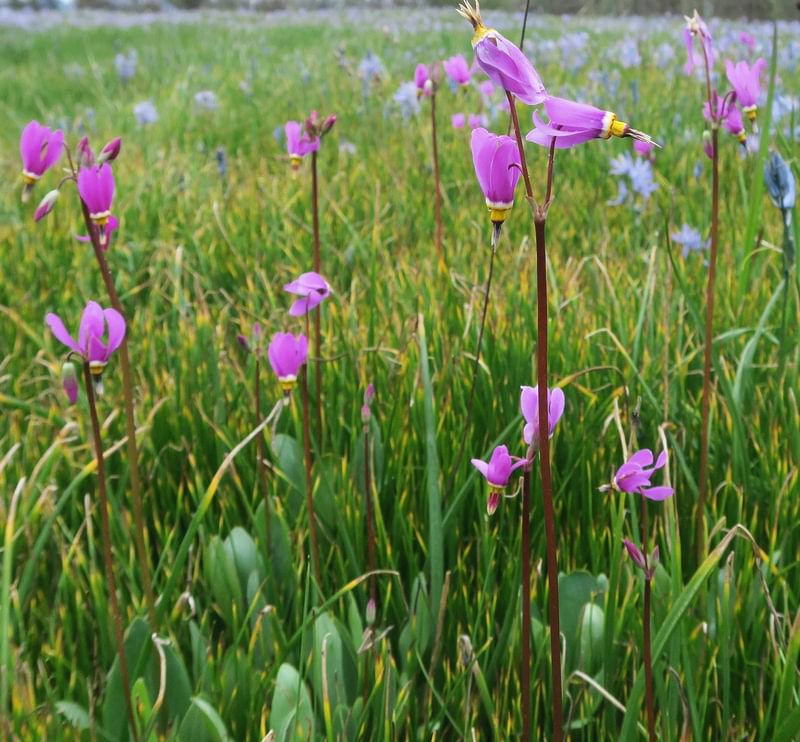
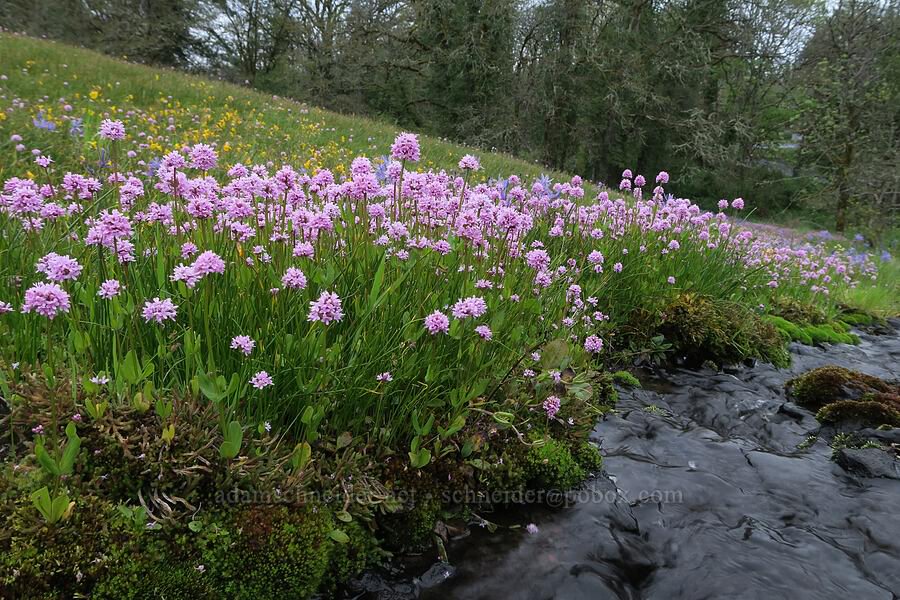
Alaskan Shooting-star – An uncommon subspecies with few localities in north Willamette Valley. Liberty Hill has the largest concentration of the flower in western Oregon.
(photo Adam Schneider)
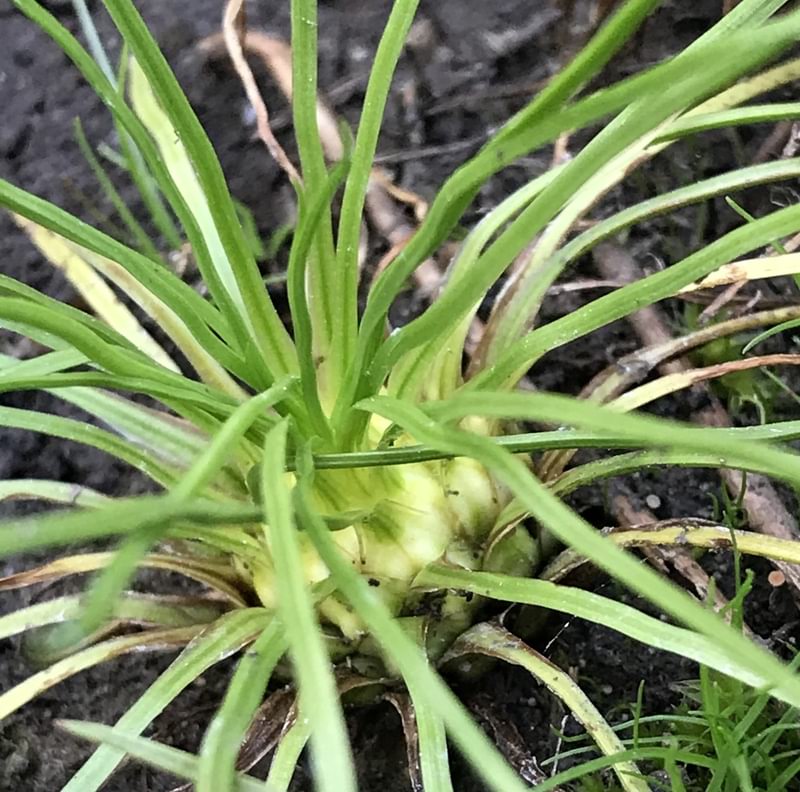
Nuttall’s Quillwort – A unique relative of ferns that grows only in wetlands. There are few records of the quillwort in northwest Oregon. Ranked as Heritage S-1 (critically imperiled) in Canada and Washington, unranked in Oregon due to lack of information.
(photo Larissa Huson)
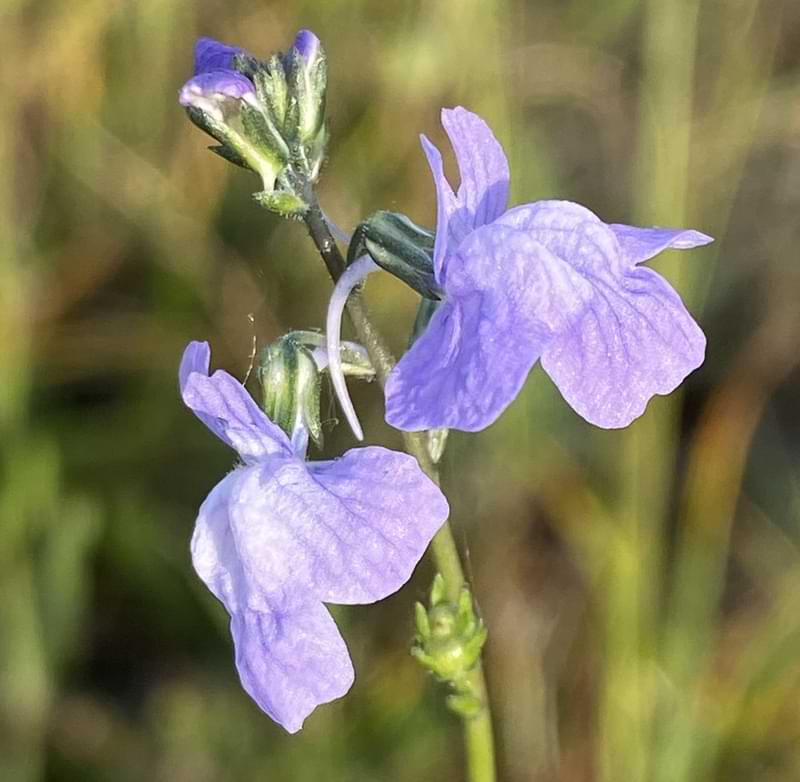
Texas Toadflax – A small wildflower rare in the Willamette Valley. Ranked as Heritage S-1 (Critically Imperiled) in Washington, unranked in Oregon due to lack of information.
(photo Larissa Huson)
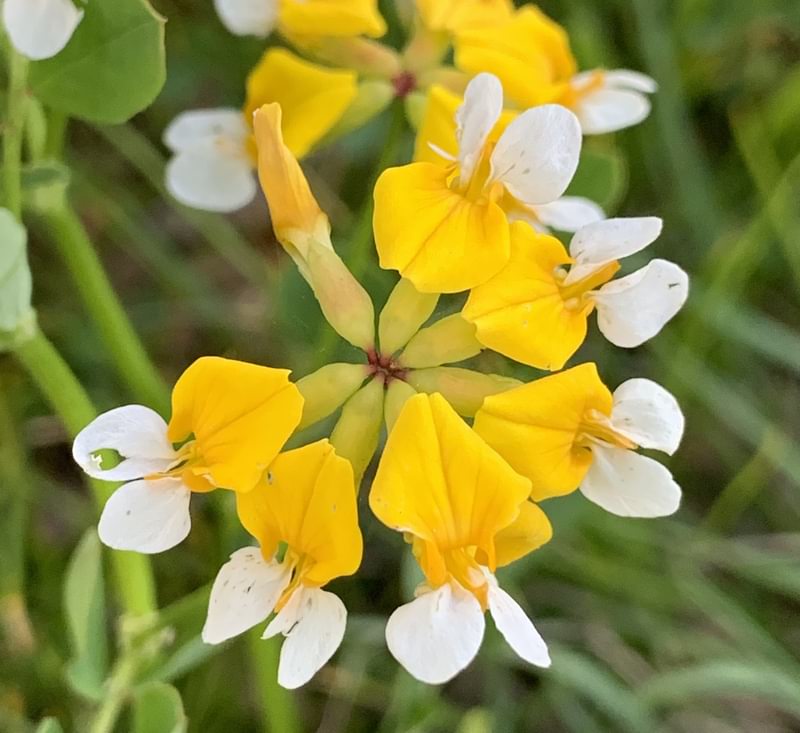
Meadow Bird’s Foot Trefoil – These beautiful wetland wildflowers have declined in the Willamette Valley due to loss of habitat. Ranked as Heritage N-2 (imperiled) in Canada, unranked in USA due to lack of information.
(photo Larissa Huson)
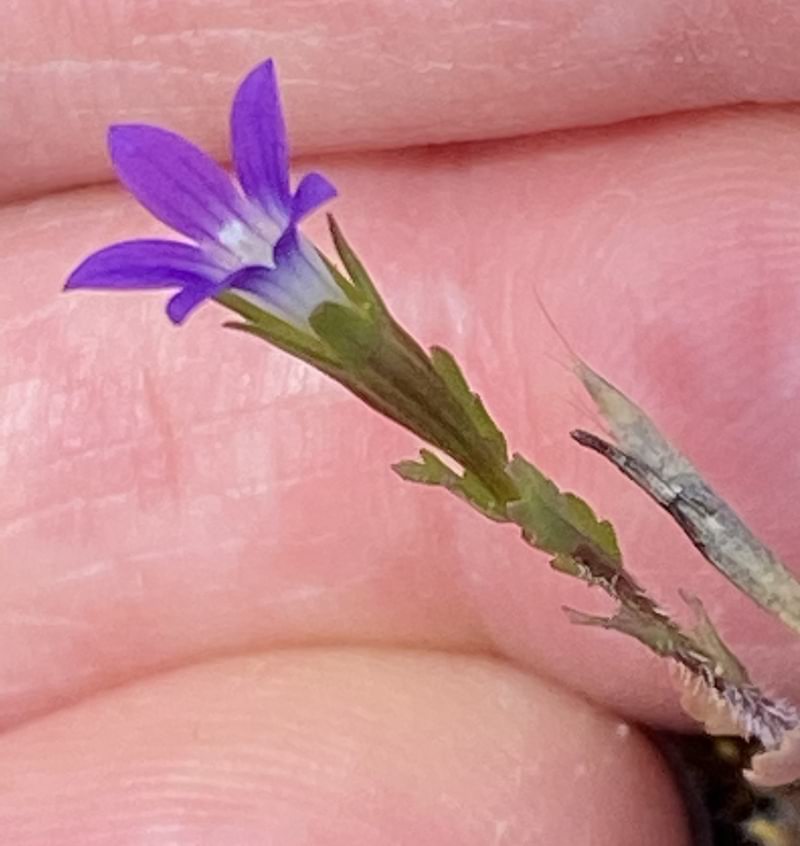
Common Bluecup – Despite the name, these petite wildflowers are uncommon in the Willamette Valley. Ranked as Heritage S-2 (Imperiled) in Washington and S-2 (Critically Imperiled) in Idaho and Montana.
(photo Larissa Huson)
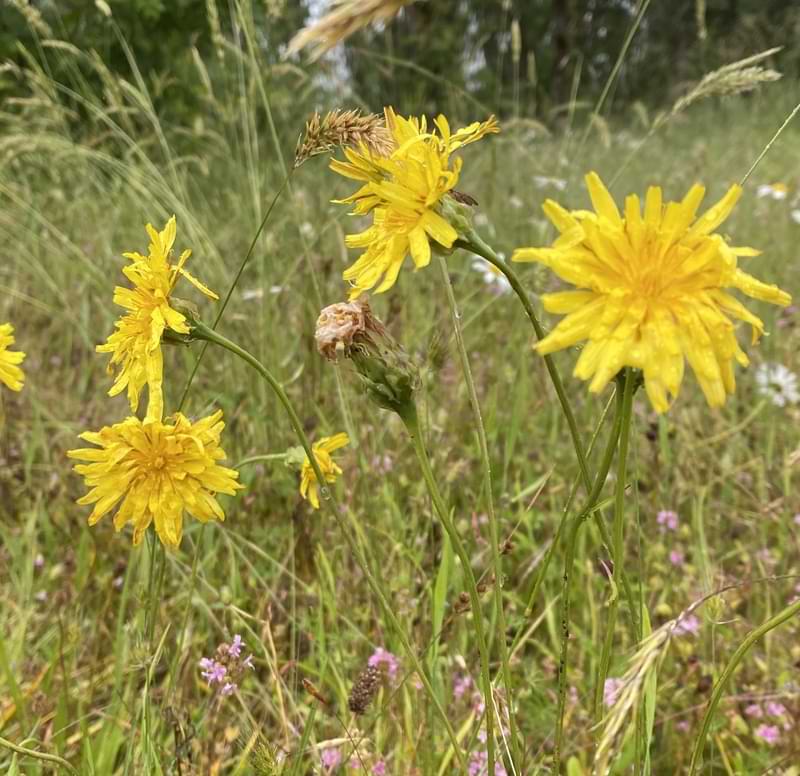
Cut-leaved Silverpuffs – Wet prairie wildflower that has been impacted by development and now is uncommon in the northern Willamette Valley.
(photo Larissa Huson)
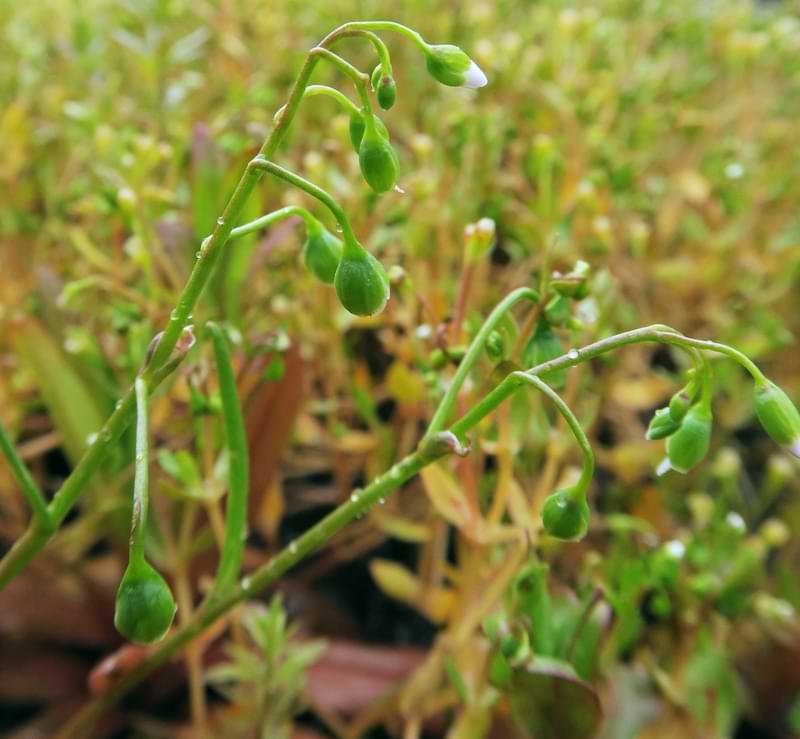
Dwarf Montia – Vernal wetland plant uncommon in the Willamette Valley.
(photo Adam Schneider)
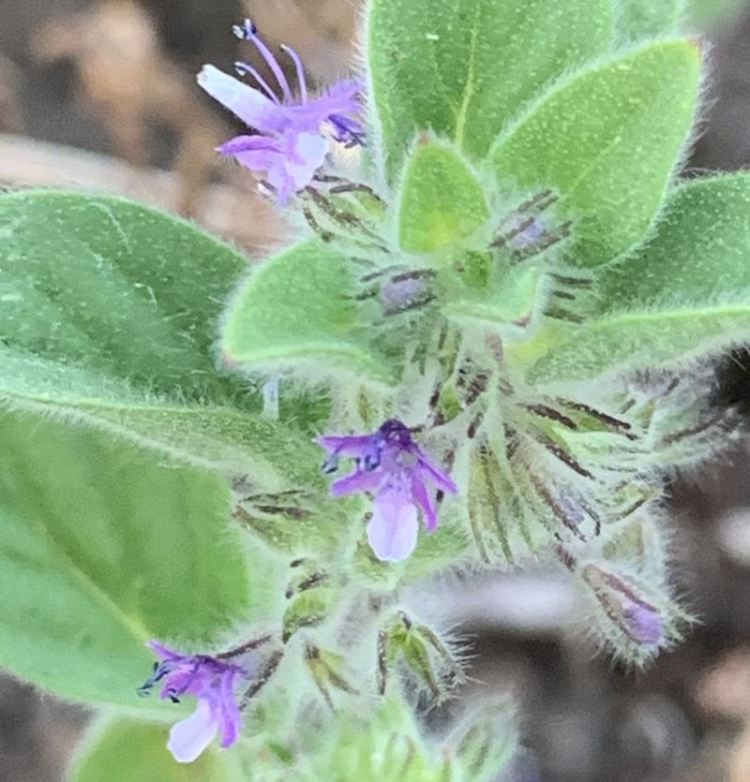
Oblong Bluecurls – Another small blue wildflower uncommon in the Willamette Valley, with few records north of Salem.
(photo Larissa Huson)
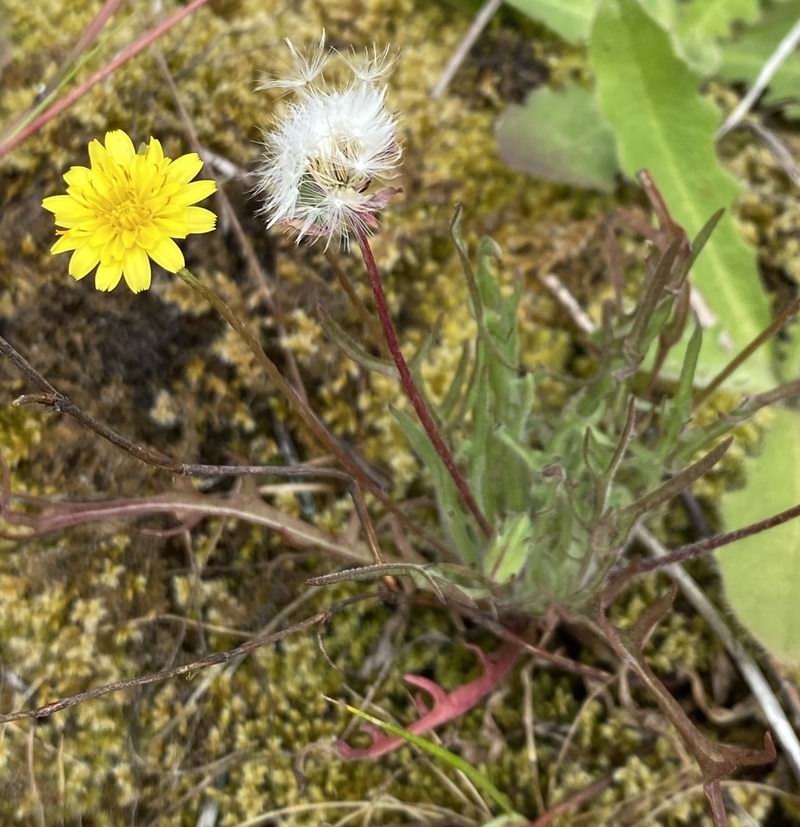
Bigflower Agoseris – A dandelion-like wildflower uncommon in the Willamette Valley.
(photo Larissa Huson)
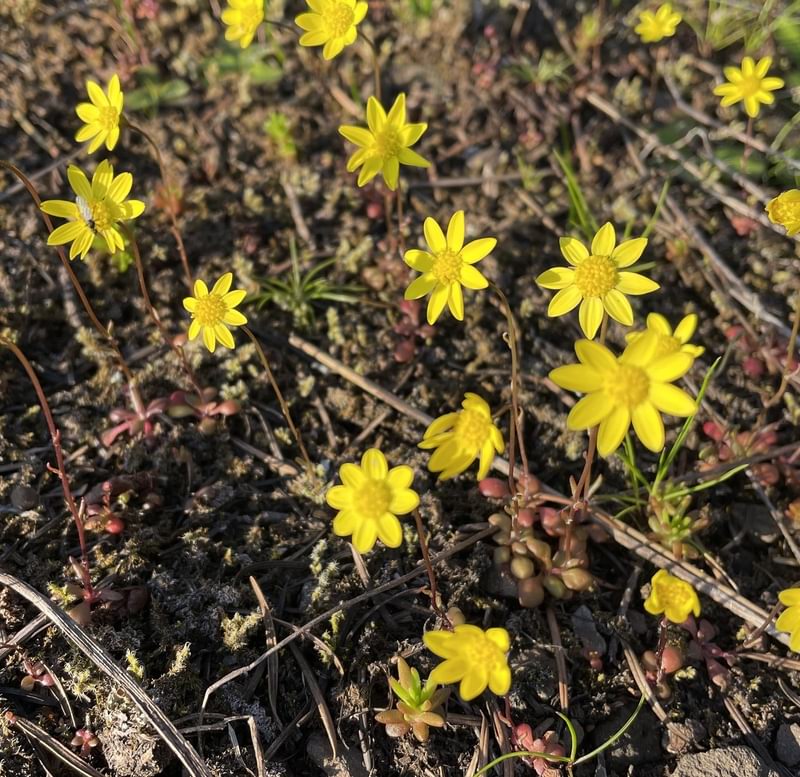
Gold Stars / Spring Gold – Small ground cover that prefers rock outcroppings. Uncommon in the Willamette Valley.
(photo Larissa Huson)
Numerous other uncommon plants could have been noted here, including 86 species for which there have been no verified records from Columbia County outside of Liberty Hill. These plants include a great range of forest, oak woodland, wetland, wet meadow, dry meadow, and rocky bluff specialists.
Speaking of oak, extensive tracts of oak woodland back the camas meadows. Oak woodland itself is a severely threatened habitat, for which only about 2% of the original coverage exists in Oregon. Some of the best oak forests that I grew up with in 1980s St. Helens have been destroyed in recent memory. The combination of prairie and oak make Liberty Hill a microcosm of the savannah-like ecosystem that used to dominate the Willamette Valley.
Reptiles
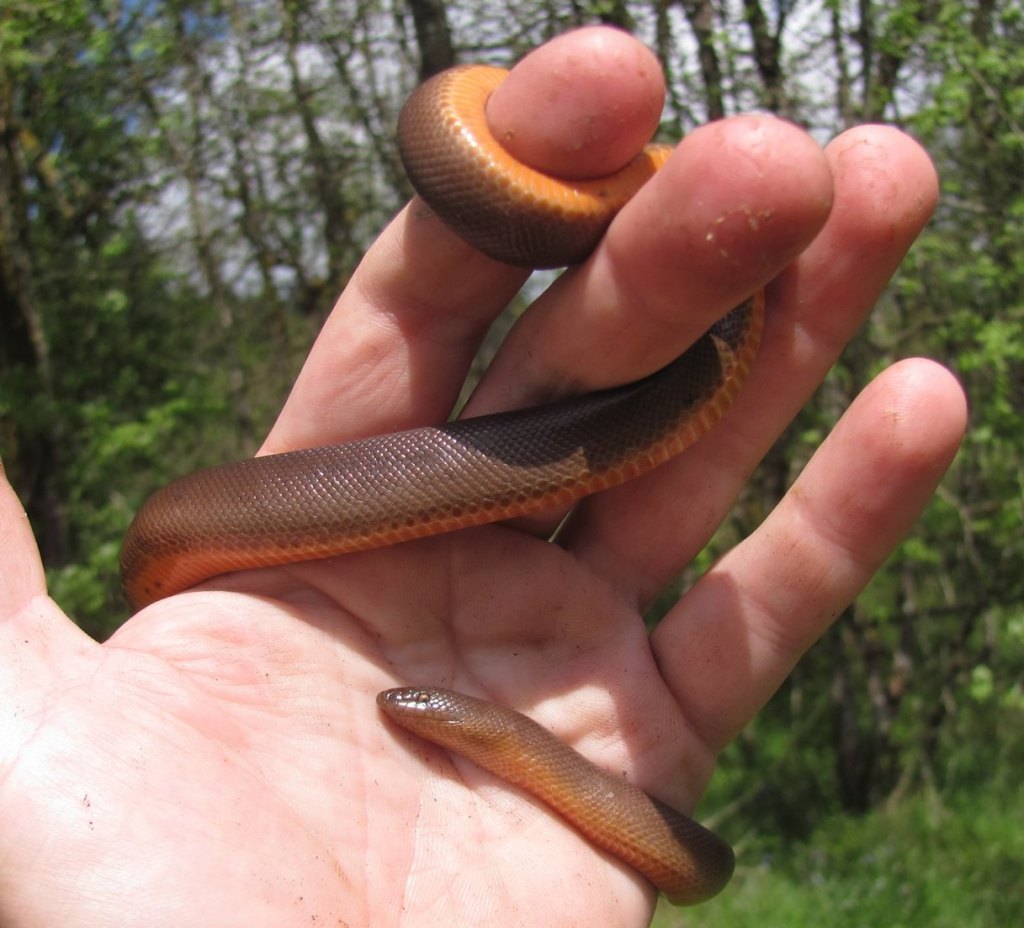
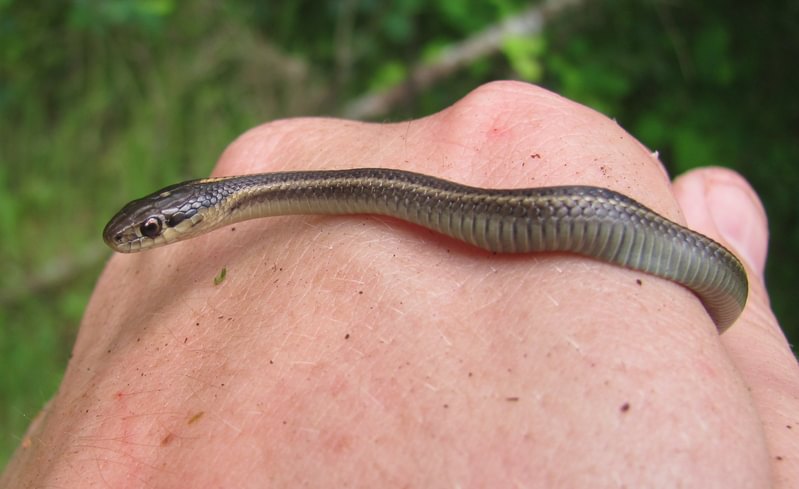
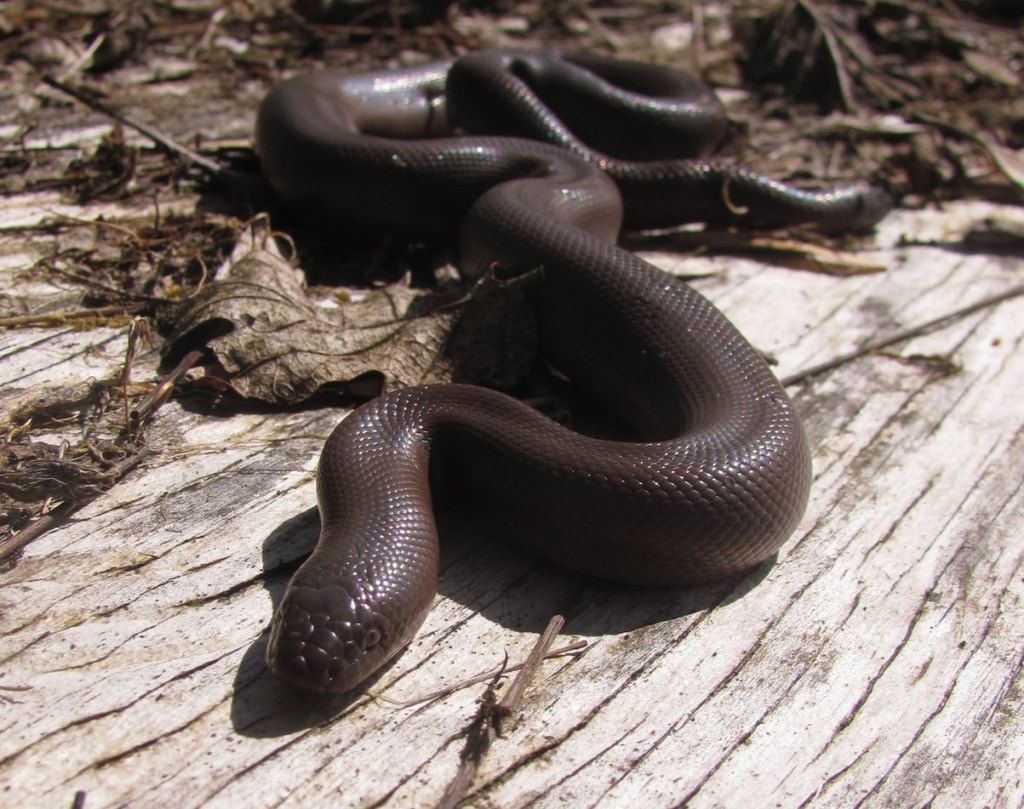
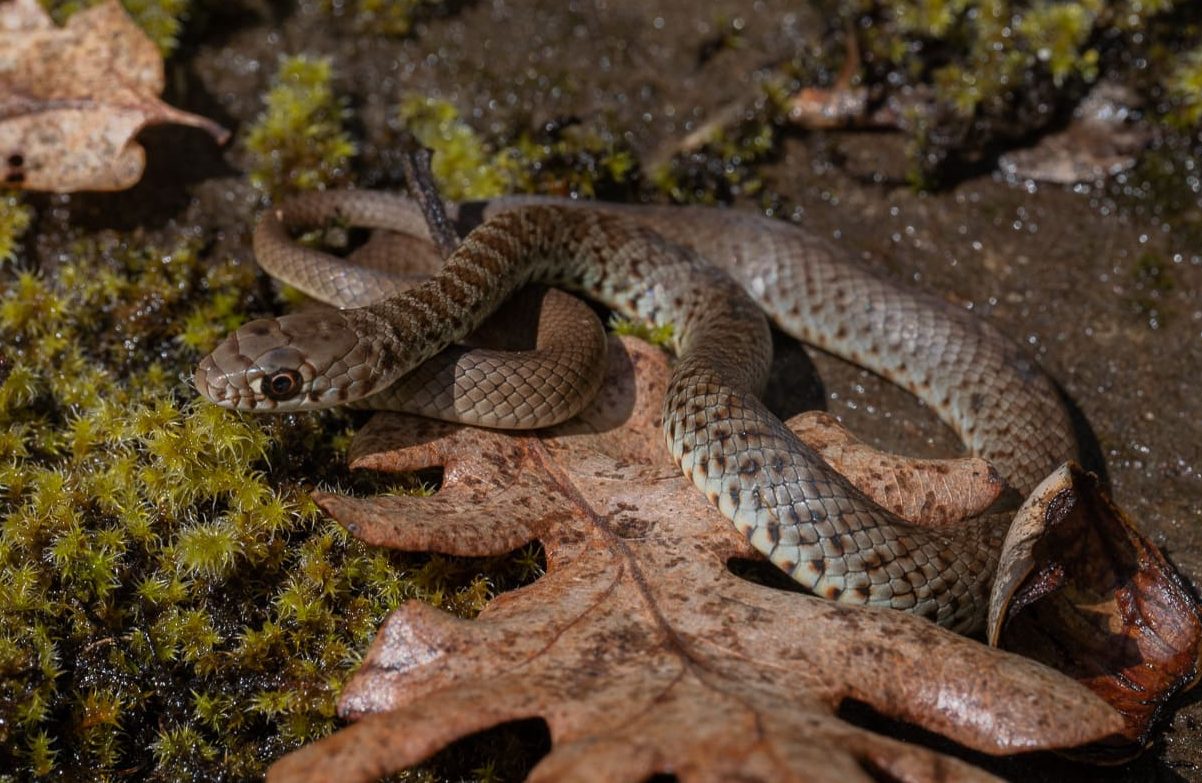
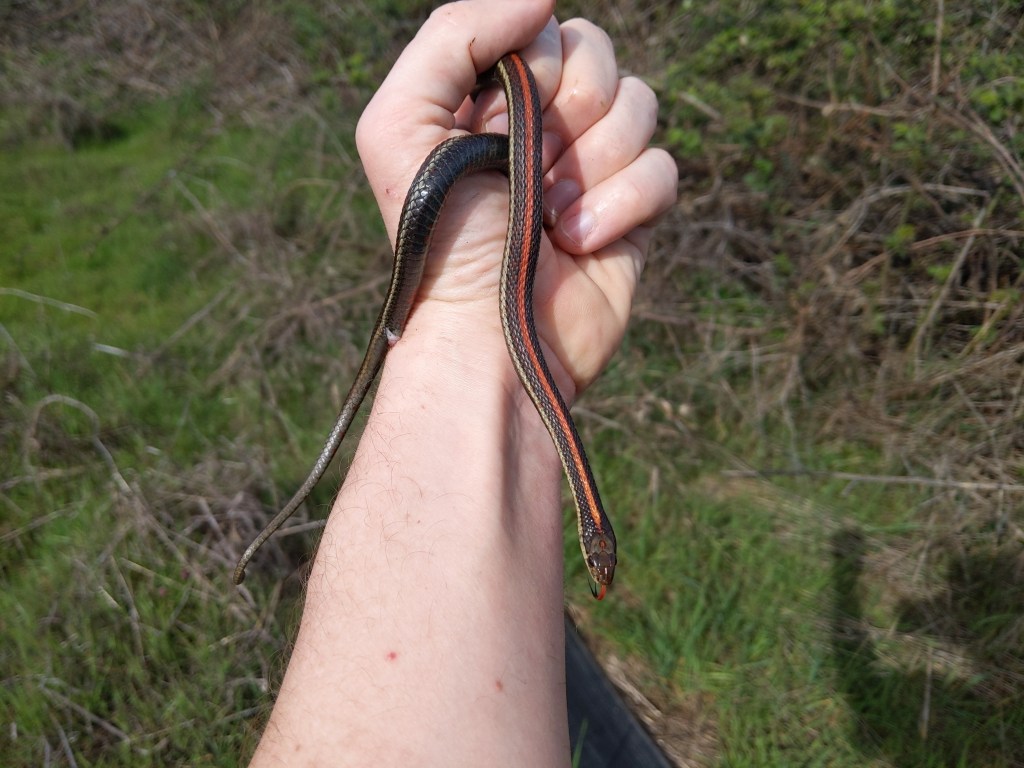
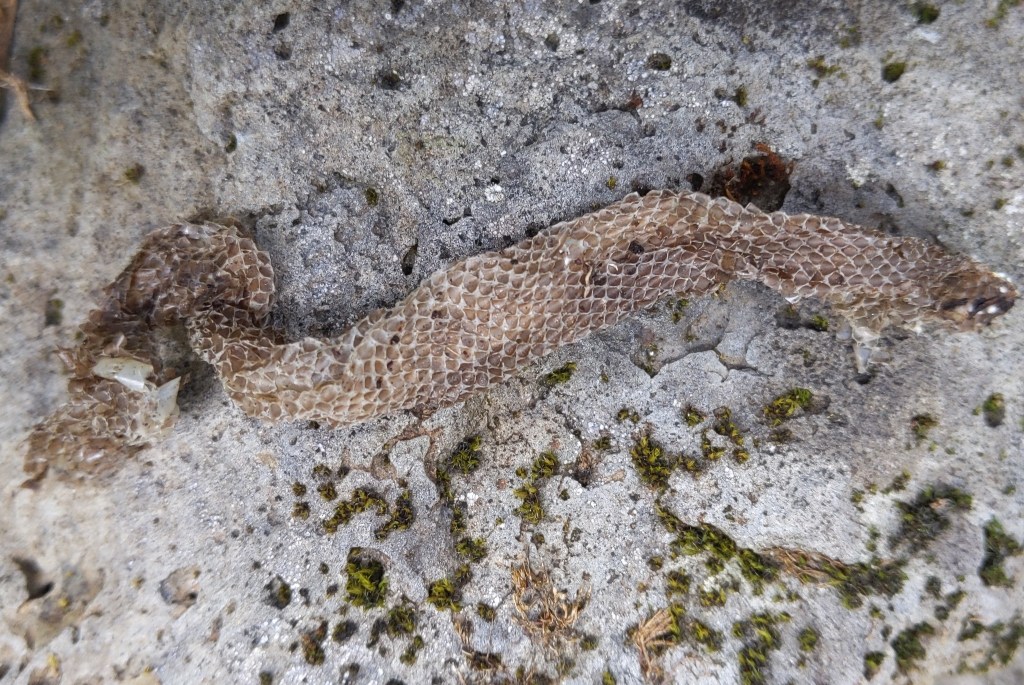
There have been seven reptile species recorded on site, the most of any site in Columbia County. Its diversity of lizards and snakes is among the best in Northwest Oregon.
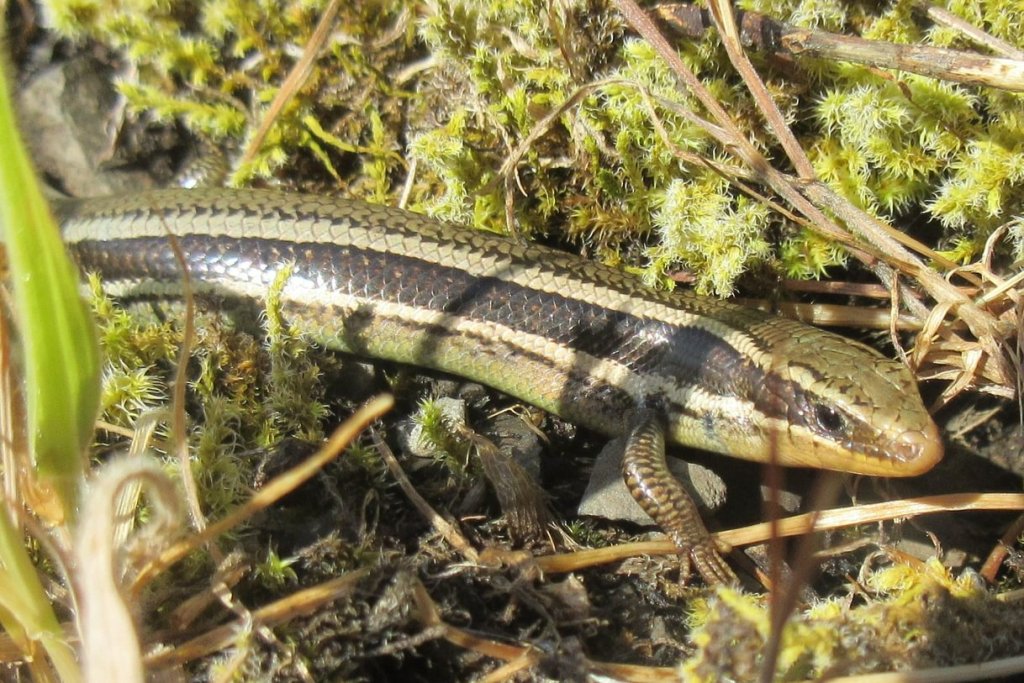
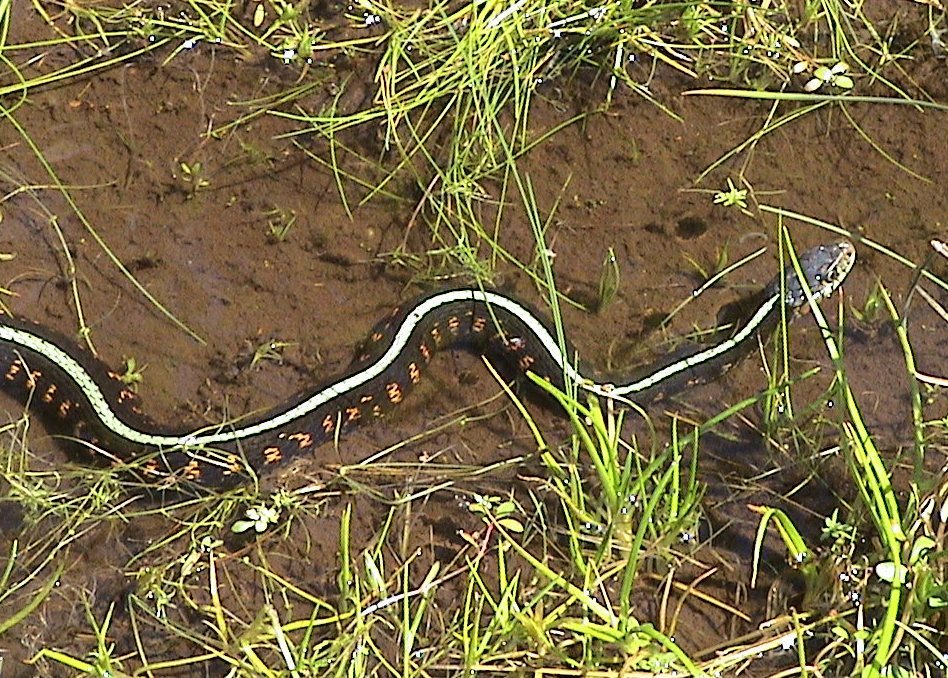
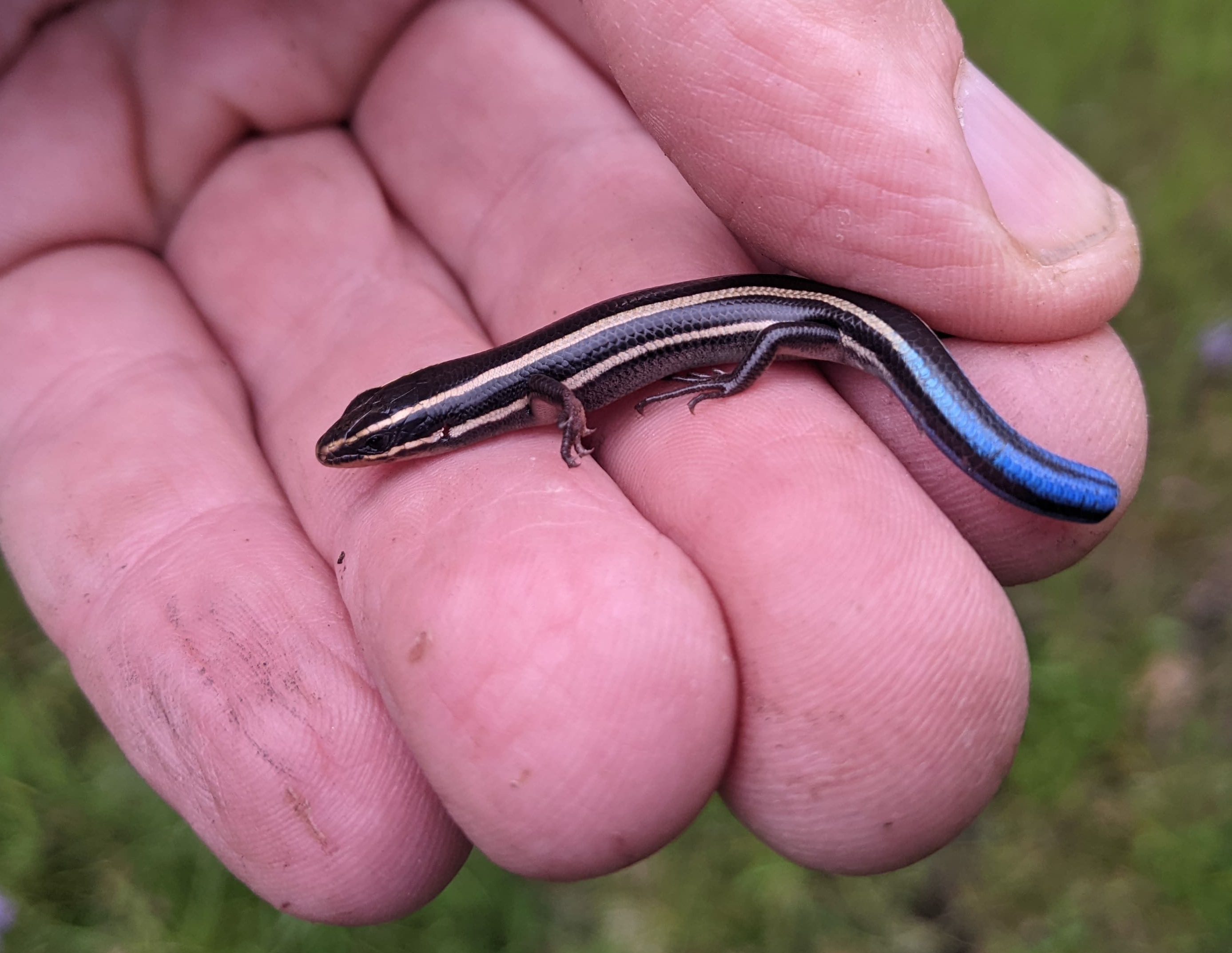
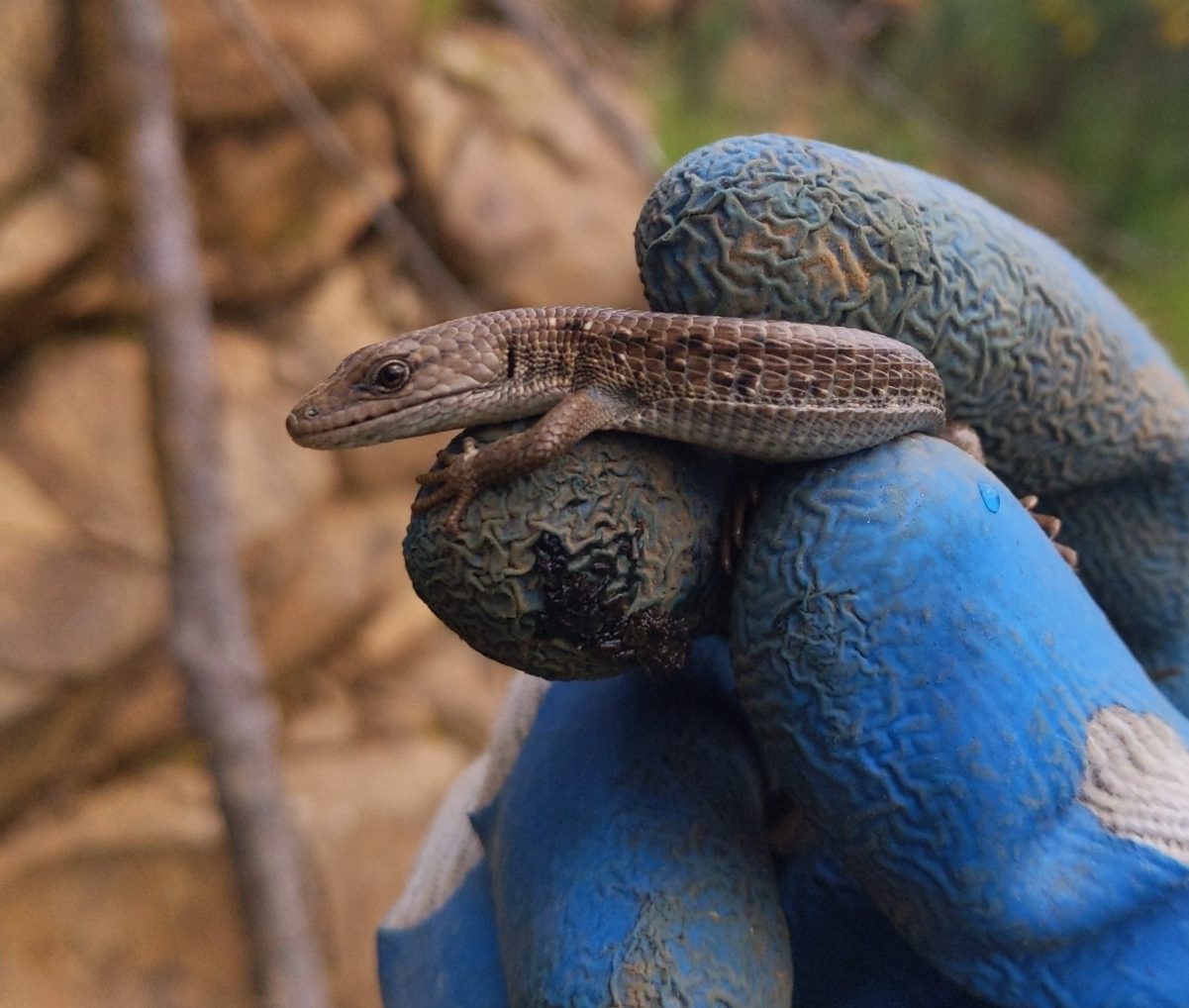
- Western Skinks, which can be found across the entire property, are otherwise rarely seen on the northern end of the Willamette Valley. The limited remaining sites in St. Helens represents the northernmost occurrence of the species in Oregon, some 30 miles from other populations.
- Pacific Gopher Snake, a similarly rare species in the northern Willamette Valley, was first reported in Liberty Hill by herpetologist Chris Rombough and confirmed by our study. This is the northernmost record in Oregon and a 30+ mile range extension from the closest known population in Washington County.
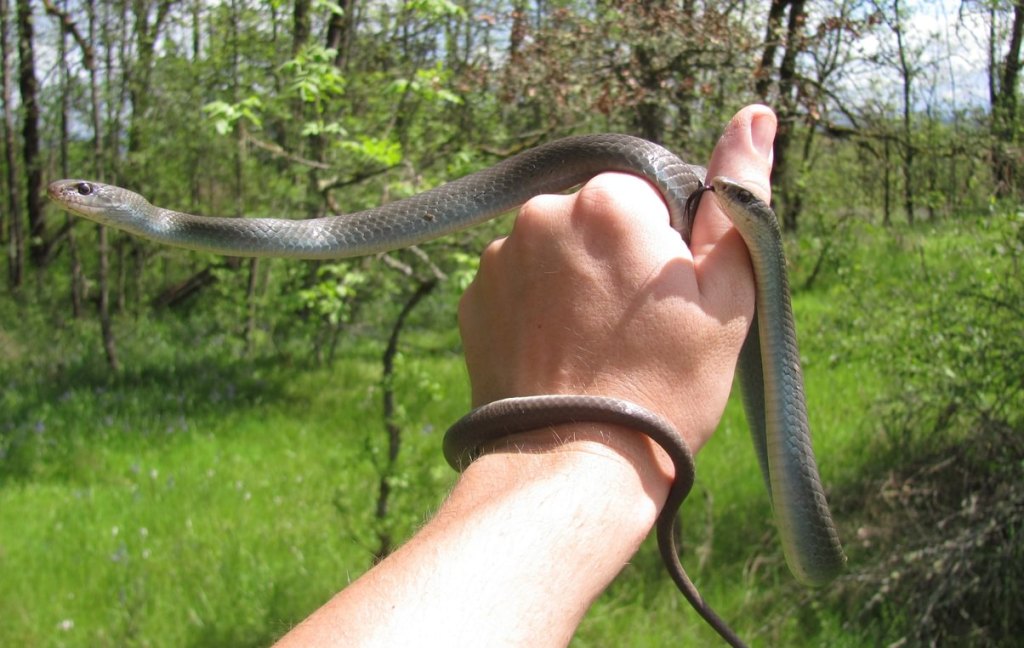
- Western Yellow-bellied Racer is a relatively uncommon species in Columbia County. Liberty Hill holds one of the best local populations, and most other nearby sites are in limited or degraded habitat threatened by development.
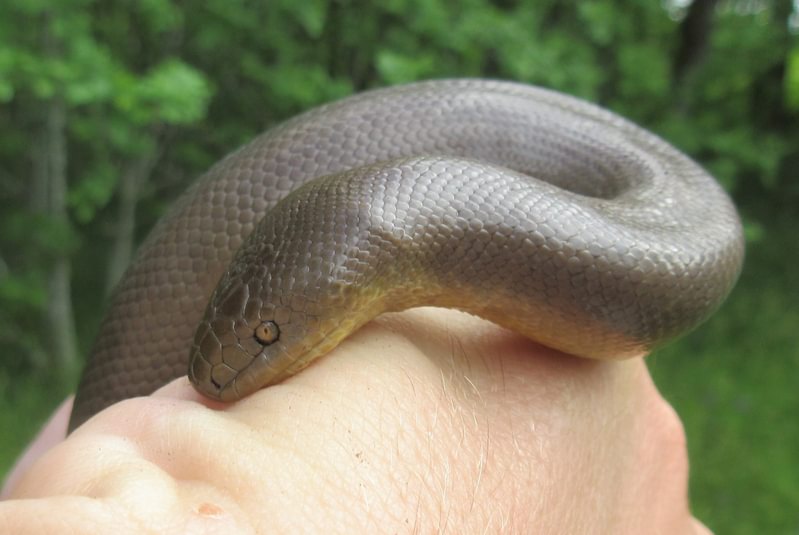
- Northern Rubber Boa is somewhat uncommon in our region, but is plentiful on Liberty Hill.
Amphibians
There have been seven amphibian species recorded on site. Liberty Hill’s unique mix of habitat types enables it to support high amphibian diversity, including both pond-breeding and forest-breeding amphibians.
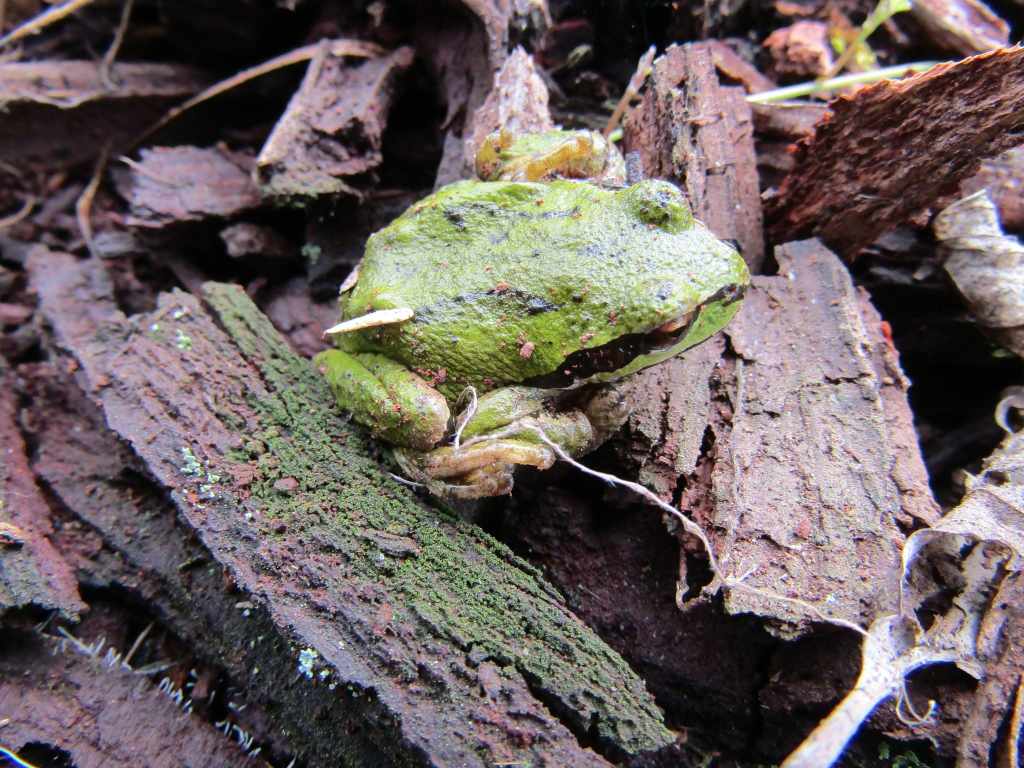
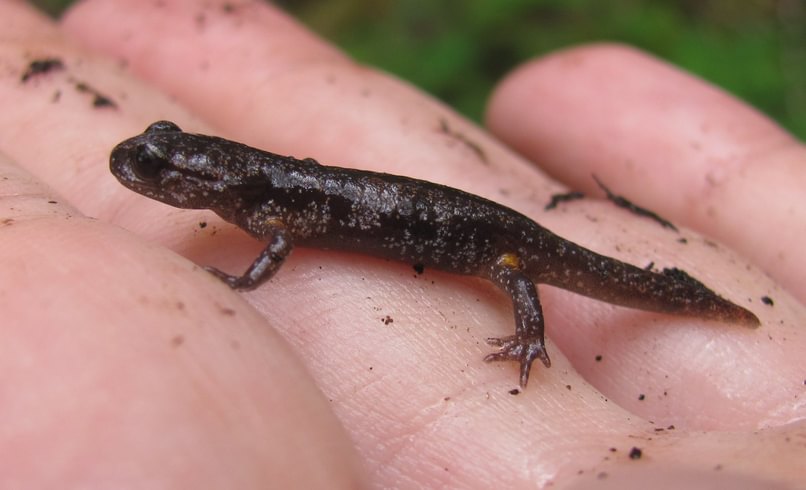
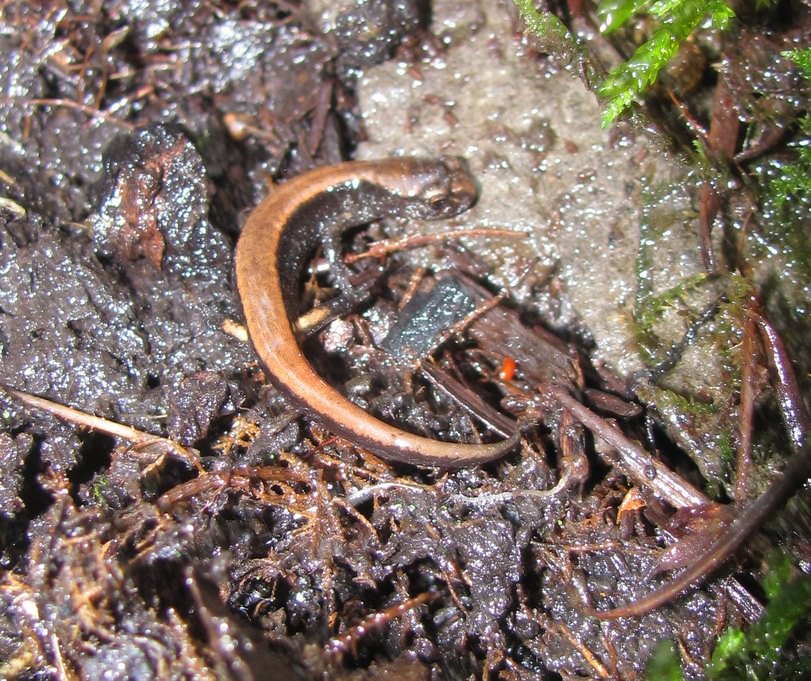
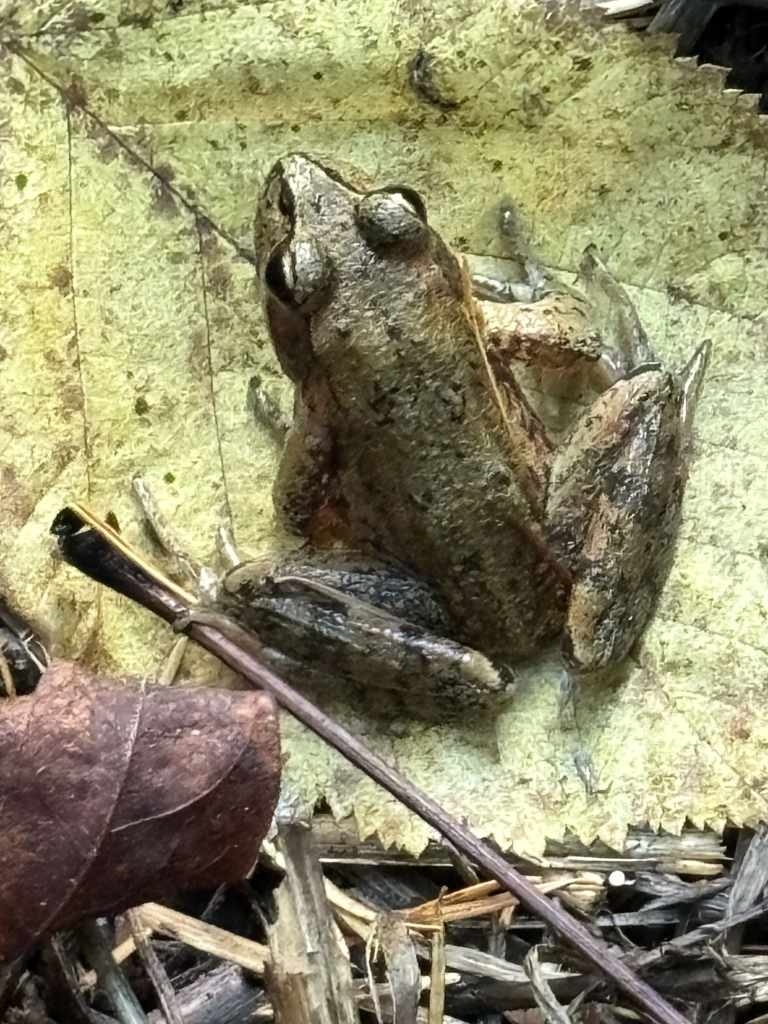
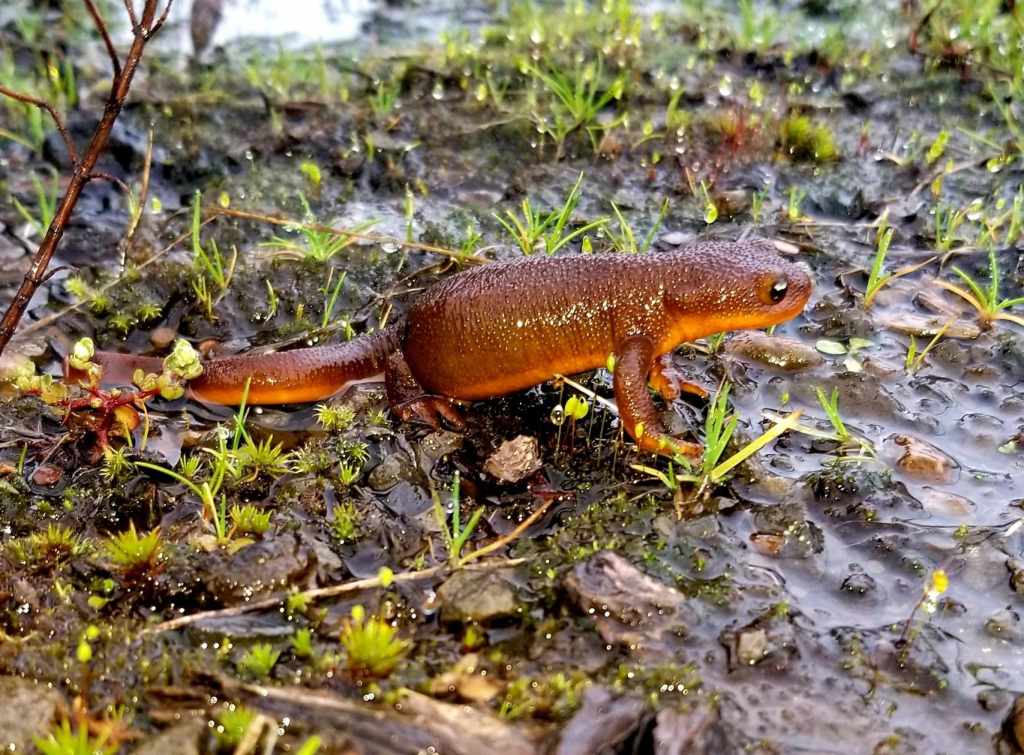
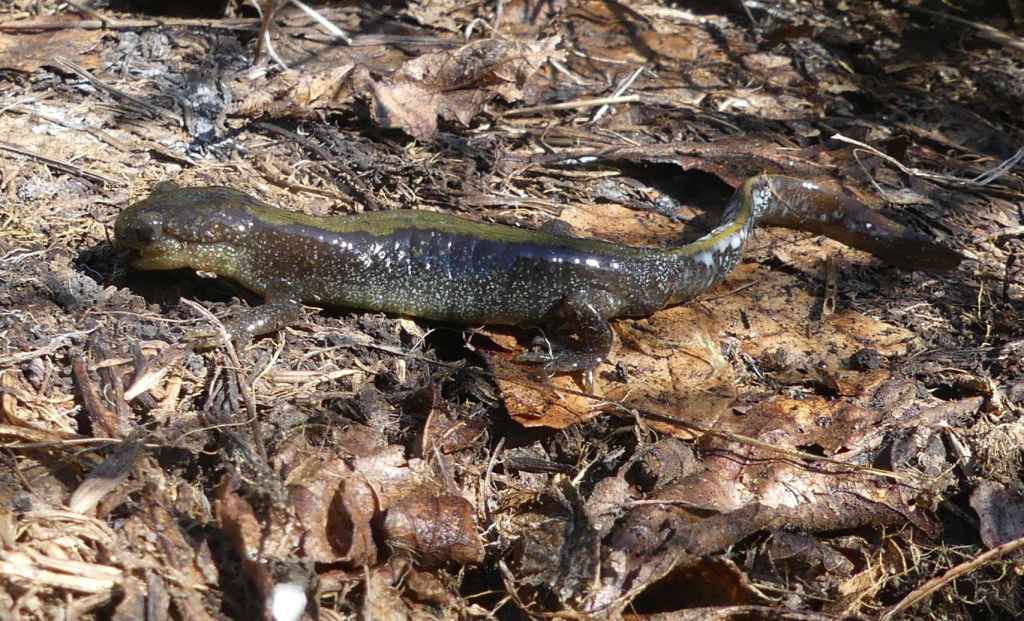
The pond breeders include the Northern Red-legged Frog, a Heritage S-3 (Vulnerable) and ODFW Conservation Strategy Species. While these frogs are common inland in Columbia County, they have been displaced from permanent waters in much of the river basin, possibly due to upland habitat loss as well as predation from bullfrogs and non-native fish.
Birds
At least 97 bird species have been recorded at Liberty Hill in limited surveys.
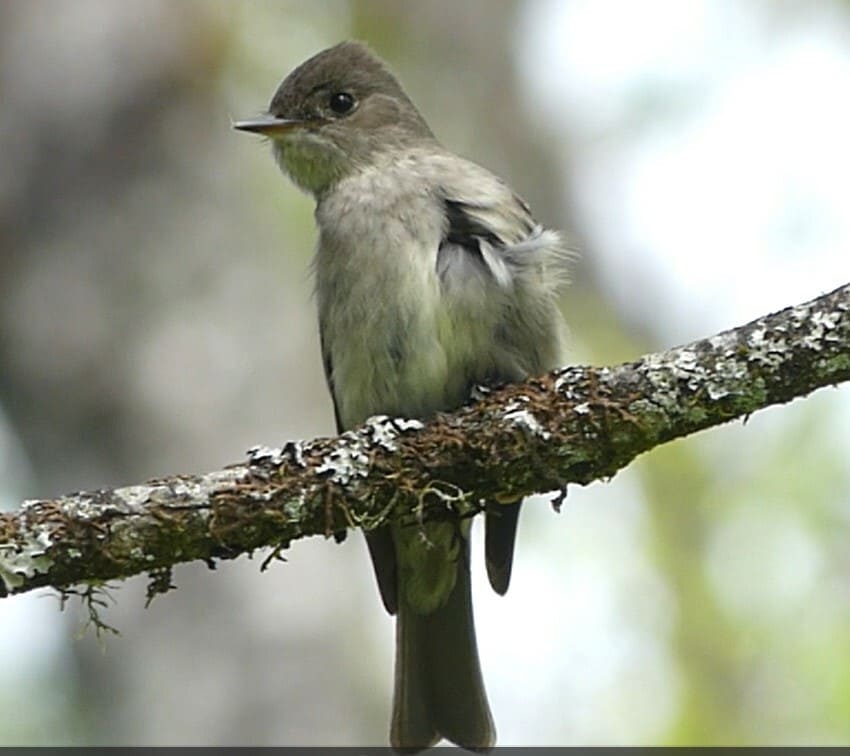
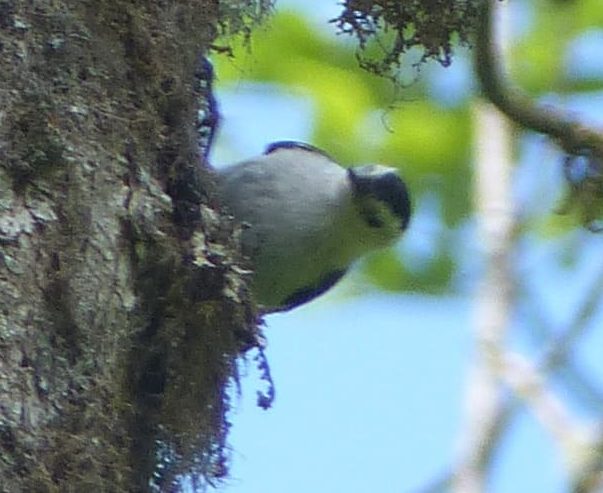
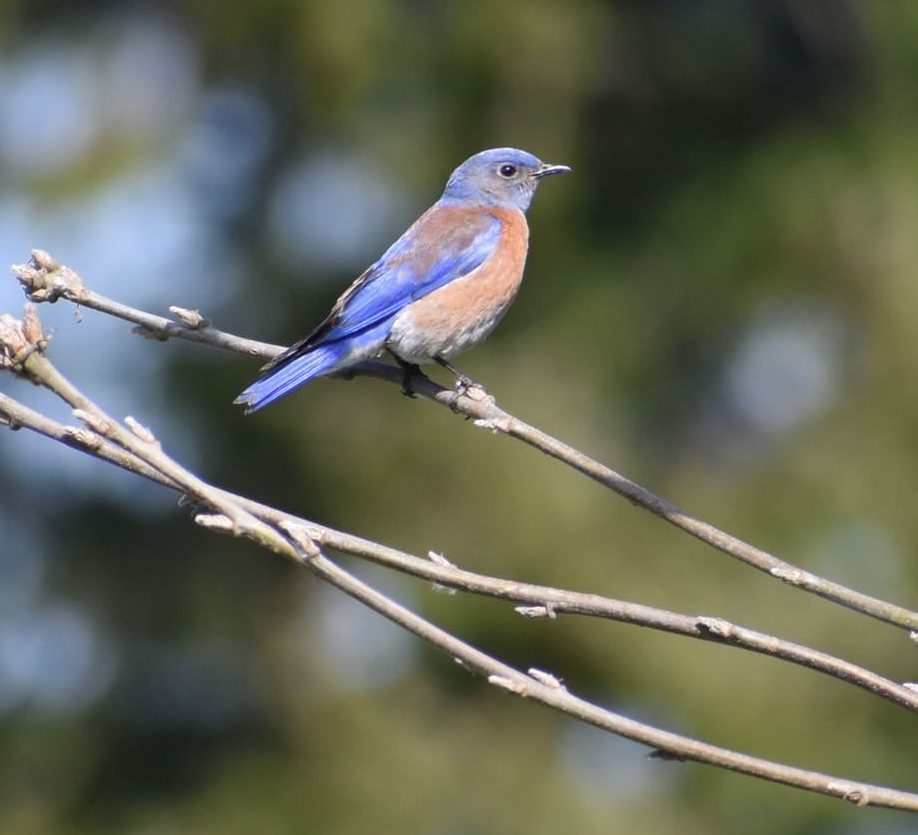
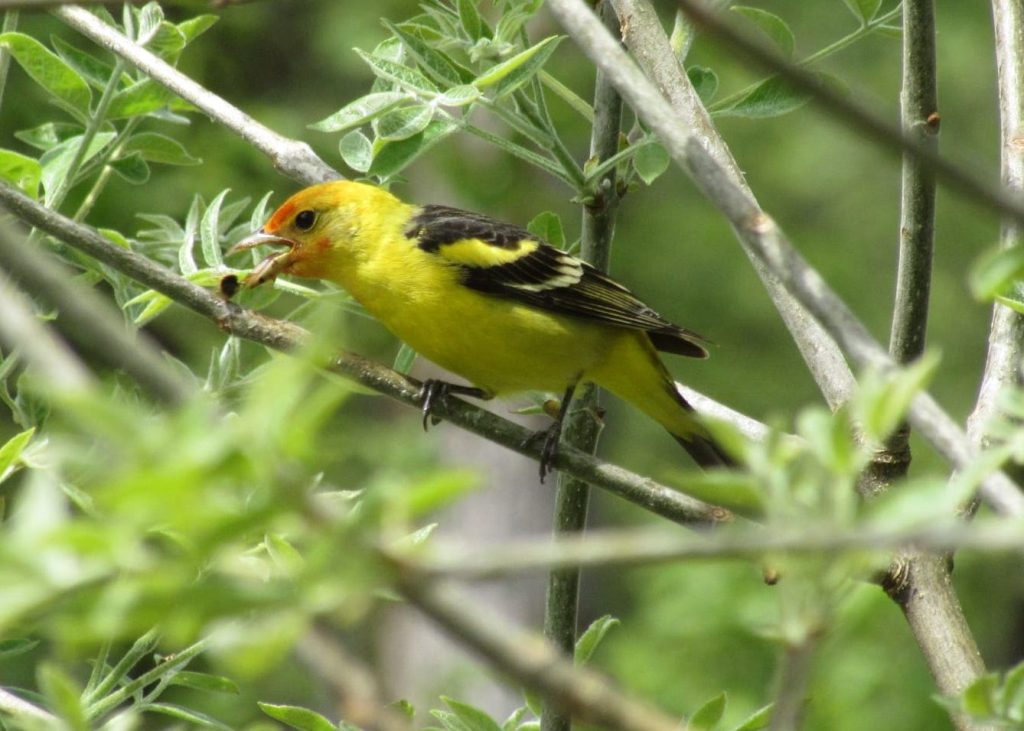
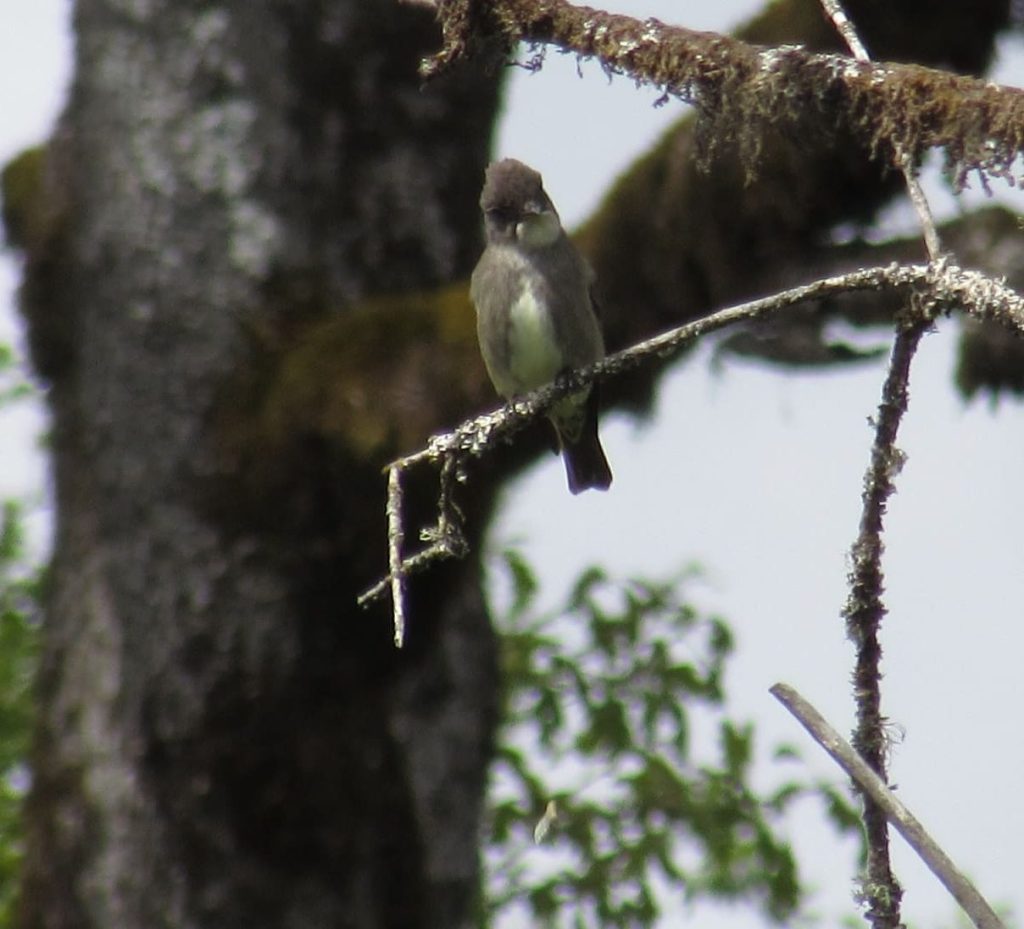
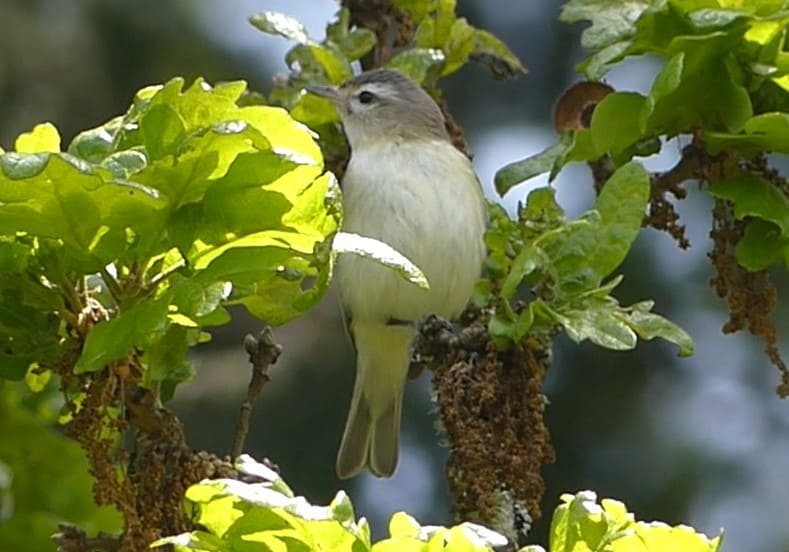
Birds seen here include 10 Oregon Conservation Strategy Species: Western Bluebird, Olive-sided Flycatcher, Little Willow Flycatcher, Chipping Sparrow, White-breasted Nuthatch, Purple Martin, Common Nighthawk, Mountain Quail, Pileated Woodpecker, and American Peregrine Falcon.
Tom Myers, a nationally known birdwatcher and author of “Birds of the Pacific Northwest for Kids”, notes that Liberty Hill is one of the best habitats in Columbia County for Olive-sided Flycatcher, Western Kingbird, and Western Bluebird, all of which have limited territory in the county.
There is an active Red-tailed Hawk nest at the site.
Mammals
Mammals seen on Liberty Hill include Roosevelt Elk, Black-tailed Deer, Black Bear, Cougar, Bobcat, Coyote, Raccoon, Striped Skunk, Long-tailed Weasel, Brush Rabbit, Townsend’s Chipmunk, Douglas’s Ground Squirrel, Douglas Squirrel, and Western Gray Squirrel. There are also bats here, though we have not identified them to species.
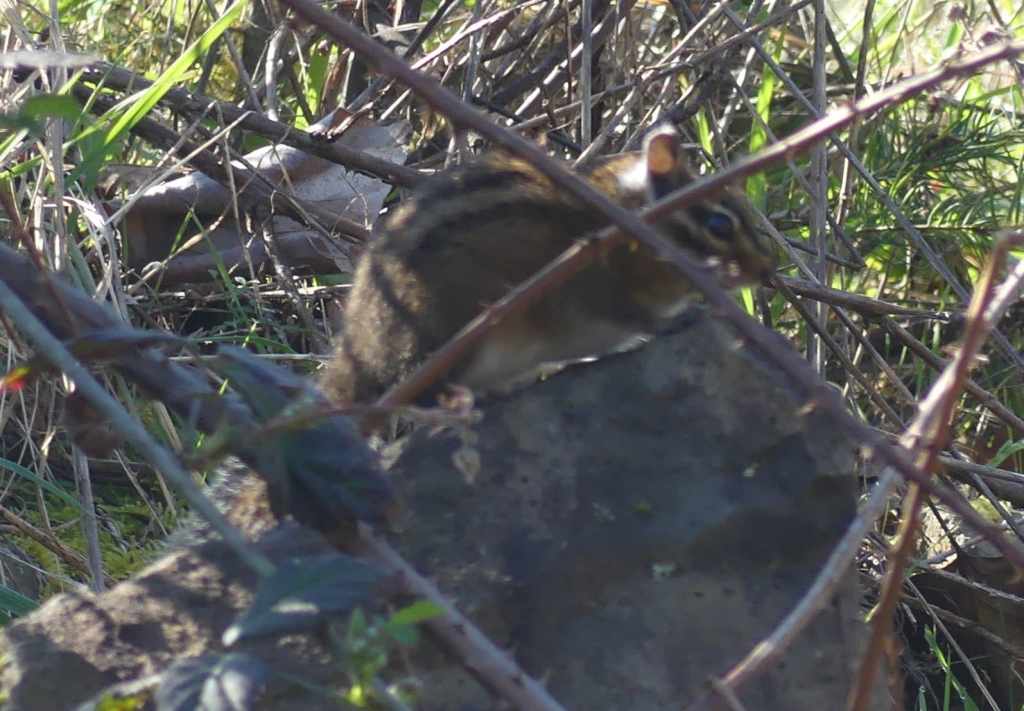
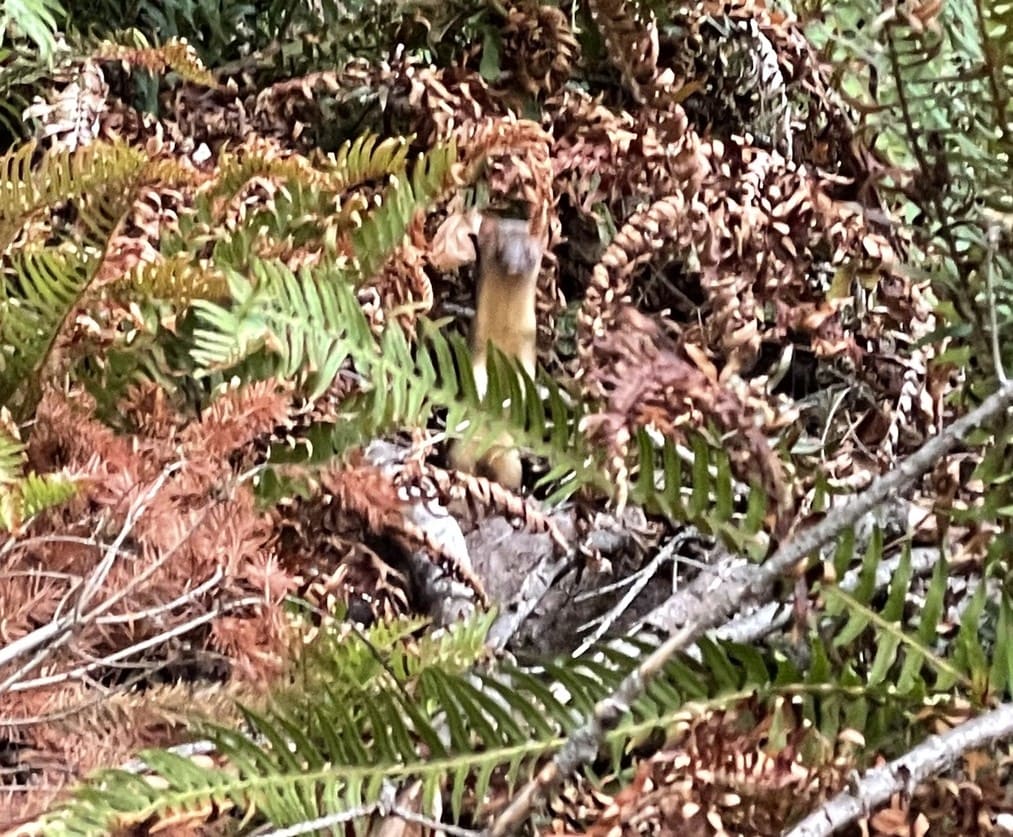
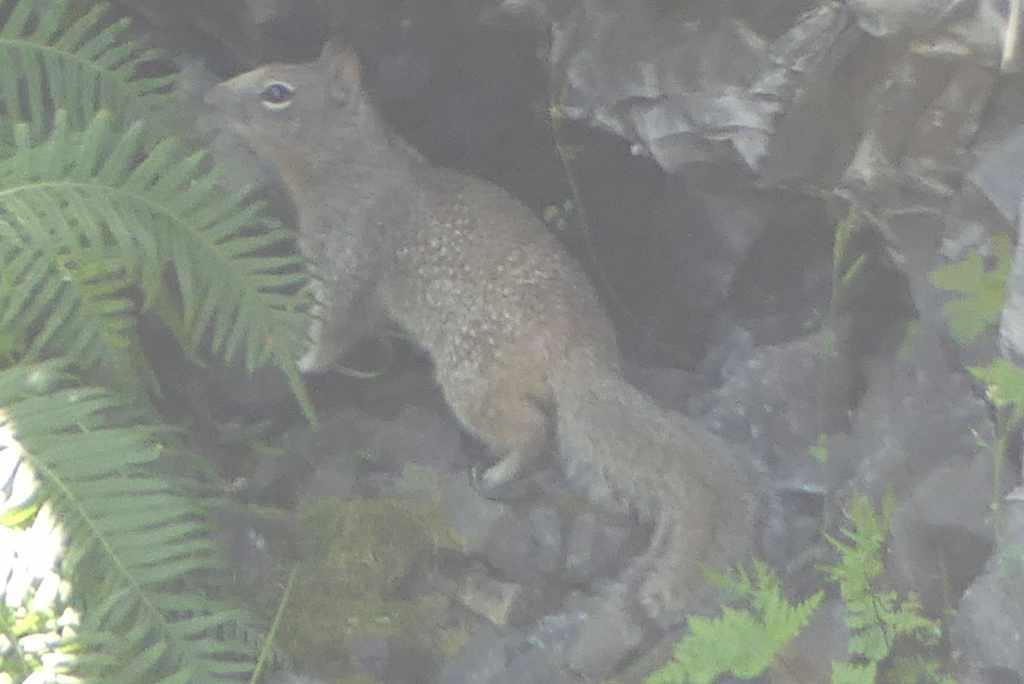
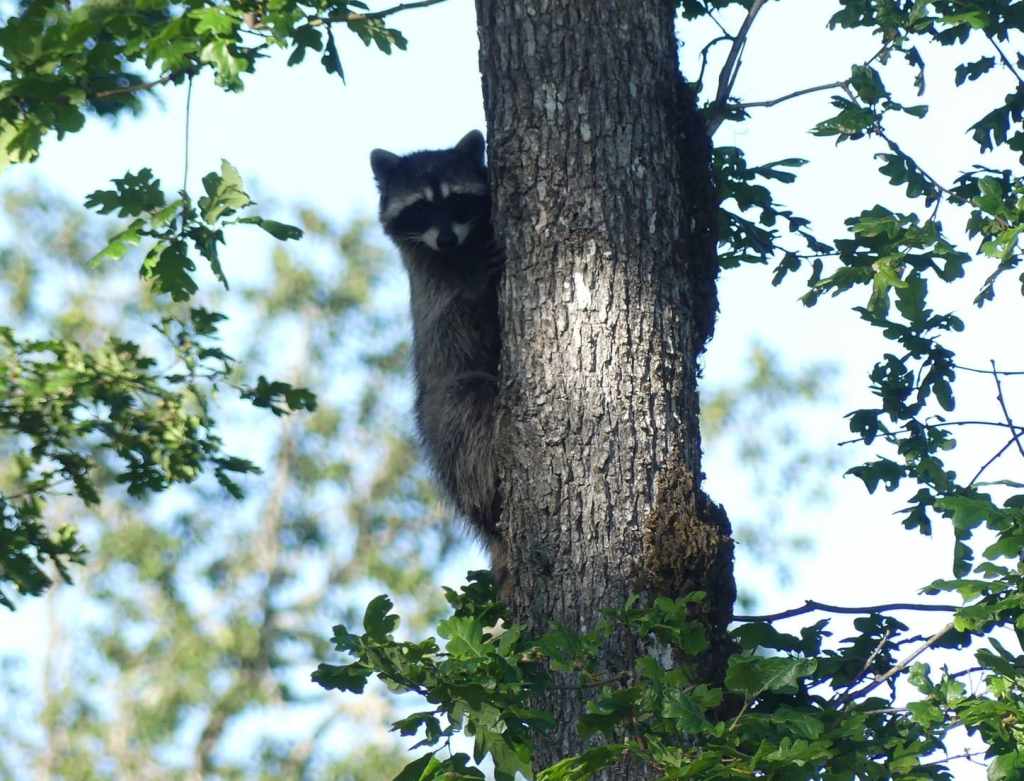
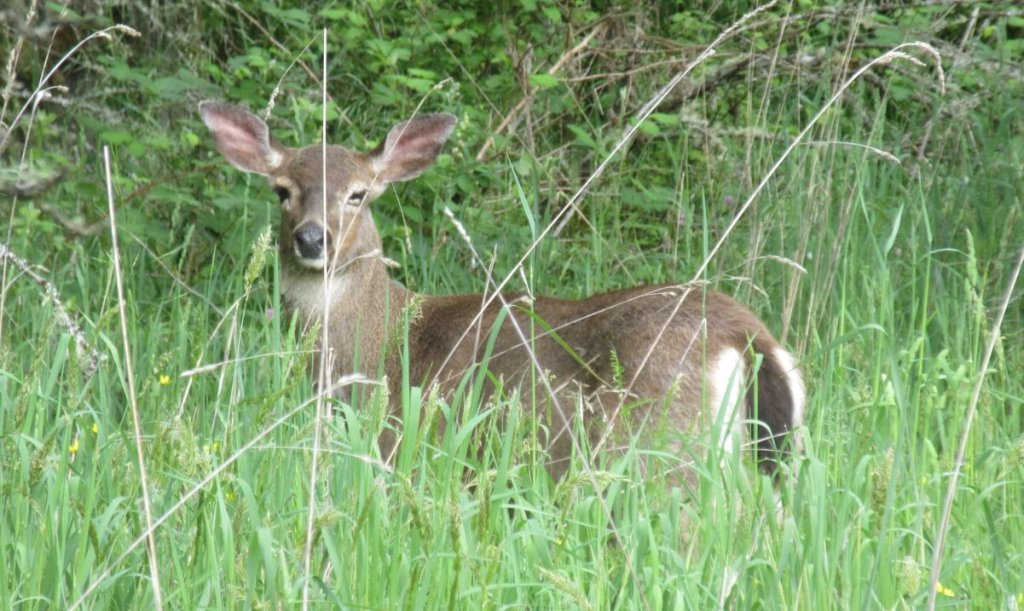
The Western Gray Squirrel is an Oregon Conservation Strategy Species and has Sensitive status in the Willamette Valley. It has seen large declines in our area due to loss of oak woodlands and human encroachment.
No specific mammal surveys have been done on the site, and it is possible that Liberty Hill supports rare meadow or wetlands mammals such as the White-footed Vole, Camas Pocket Gopher, or any one of several threatened bat species.
Invertebrates
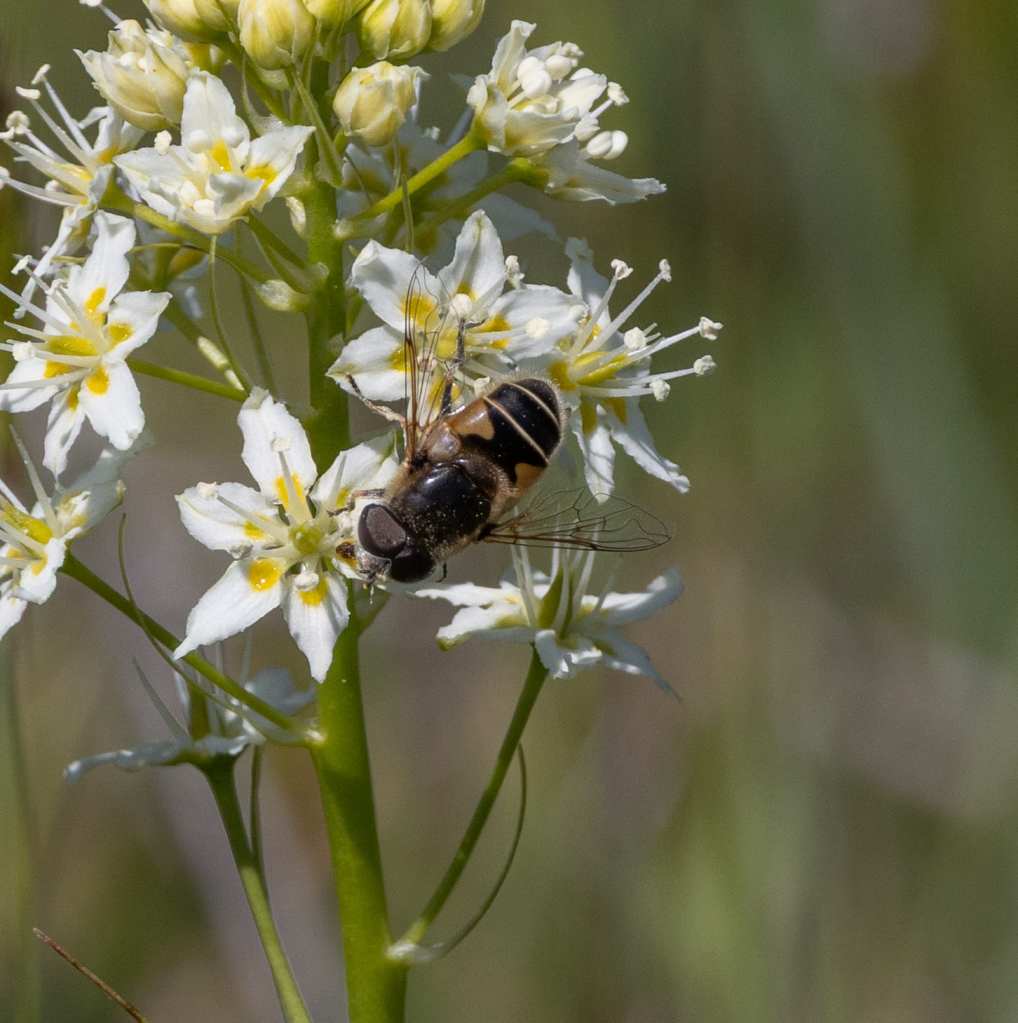
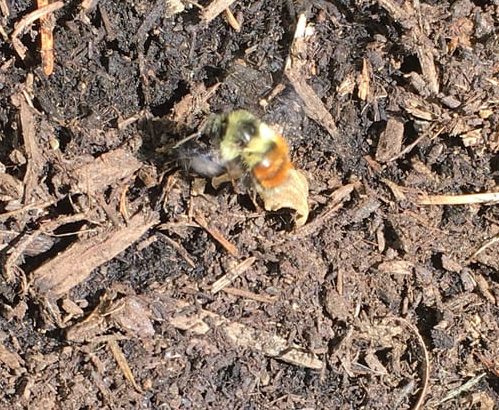
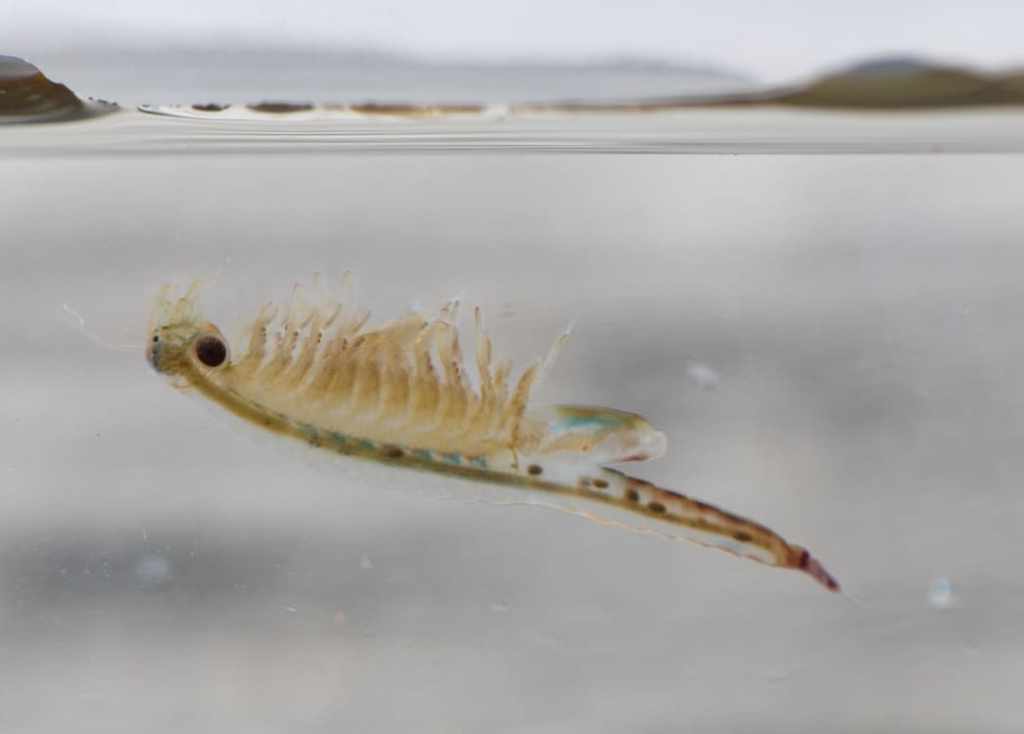
The Oregon Fairy Shrimp has been found in two vernal pools on Liberty Hill. It is known from fewer than 80 localities across its range and is listed as Heritage G-3 (Vulnerable). This crustacean is considered to be under threat from habitat destruction, wetland elimination, and pollution.
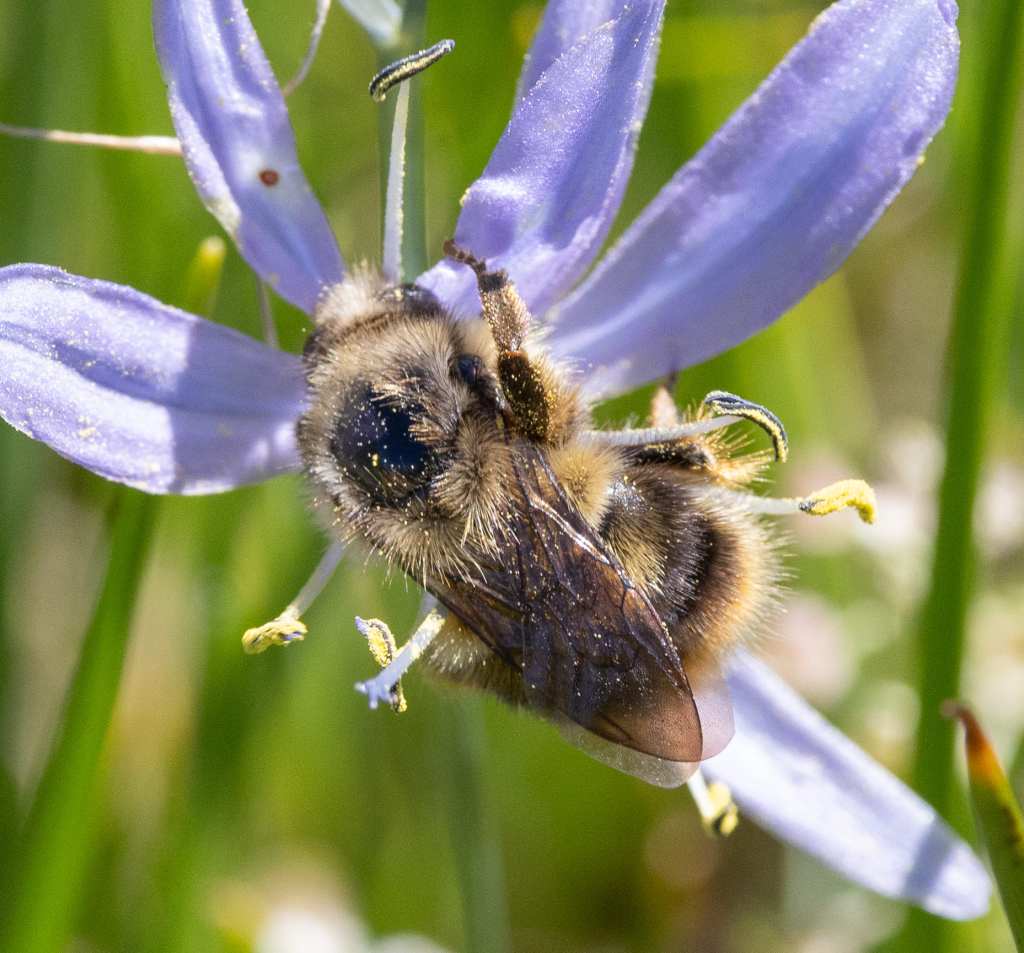
A bee survey by Linda Zahl in 2018-19 produced 38 native bee varieties at Liberty Hill, 30 of which could be identified to species level. Well-represented were nine bumblebee species, including the Golden Northern Bumblebee, Obscure Bumblebee, and White-shouldered Bumblebee, all of which are listed as Imperiled or Vulnerable in Oregon.
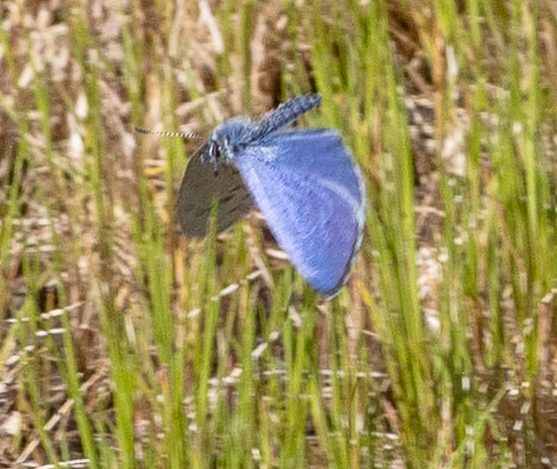
There have been no butterfly surveys on the site, but the presence of pristine native meadow with plant diversity suggests that rare species may be present. Famed lepidopterist Robert Michael Pyle visited the site briefly and saw an Arctic Skipper, an uncommon species in our area.
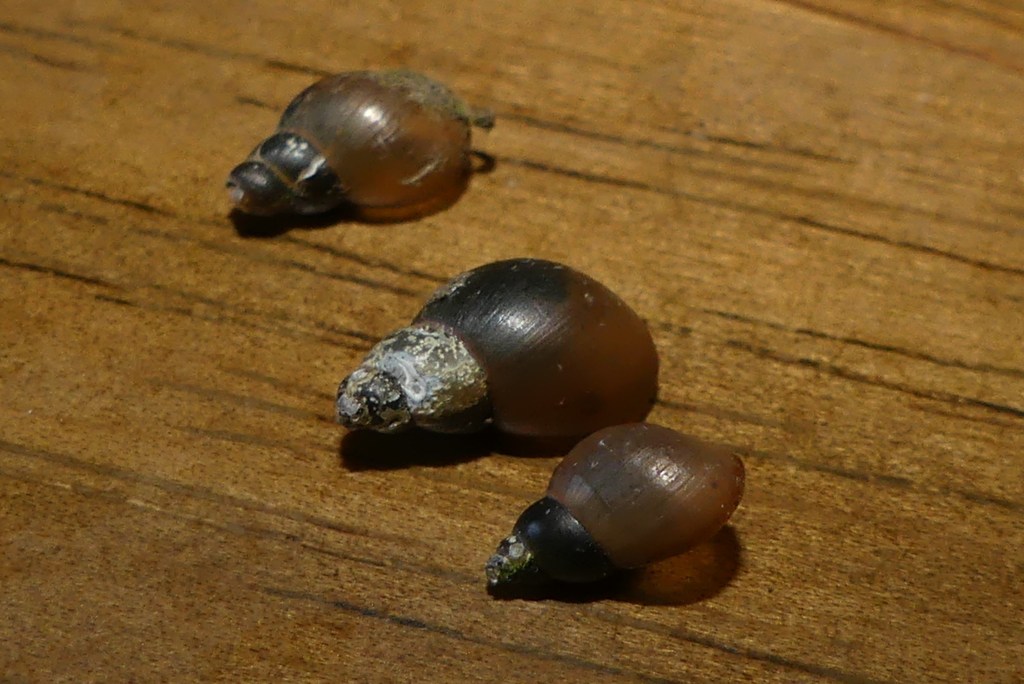
It is quite possible that rare meadow mollusks, beetles, and other invertebrates exist on site, but their presence will be impossible to confirm without targeted surveys.
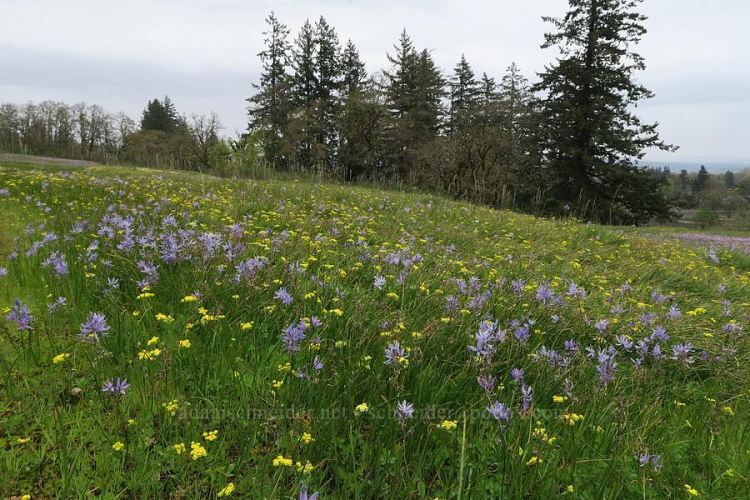
The biodiversity of Liberty Hill is impressive. But a laundry list of individual species doesn’t do justice to the importance of the site and the impression it leaves on you when you’re there. Oak-meadow complexes were the thing that made the Willamette Valley what it was for the people who lived here before us. They were pastures for White-tailed Deer and croplands for camas bulbs, enabling a biota and bounty distinct from the rivers that formed its borders and the forests on either side. The views you get when you step onto a Willamette Valley meadow during a spring bloom are like nothing else west of the Cascades.
And now, almost all of that is gone.
Once mined out, the bluff cannot be restored, for the same reason that no one has replicated Liberty Hill’s majestic blooms in a pasture. The basalt geology of the site is unique. Knife River, the mining company that wishes to destroy the meadow, has claimed in their applications that they can simply replace the wetlands elsewhere. In fact, such wetlands only exist in such narrow sites because they can only be sustained by a narrow set of conditions. Crush Liberty Hill into gravel, and the camas and its associates will never rise again.
If we destroy it now, we will lose it forever. Not just for our generation, but for our children’s generation and our grandchildren’s generation and their grandchildren’s grandchildren for hundreds of years after them.
So can we not do that?
Please?
 Wild Columbia County
What are the next steps to preventing this?
Is there a petition to sign?
Who do we contact? Doesn’t Weyerhaeuser own it?
LikeLike