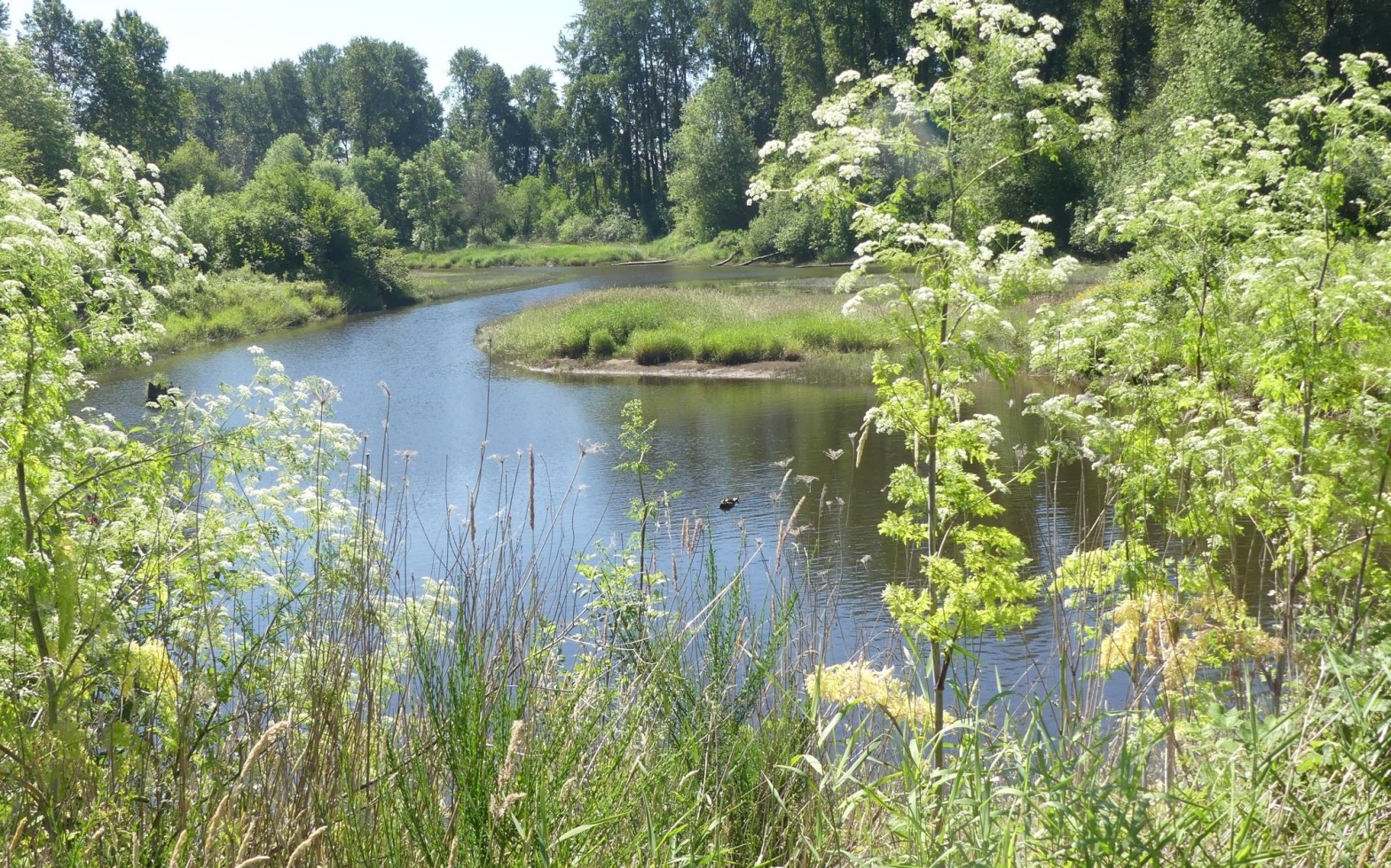
Deer Island Slough is different from our other conservation priorities. Rather than protecting forest, stream, or meadow habitat, the key feature here is a six mile long channel of the Columbia that has been diked off from the main river, maintaining a unique wetlands feature that supports the largest turtle population in Columbia County.
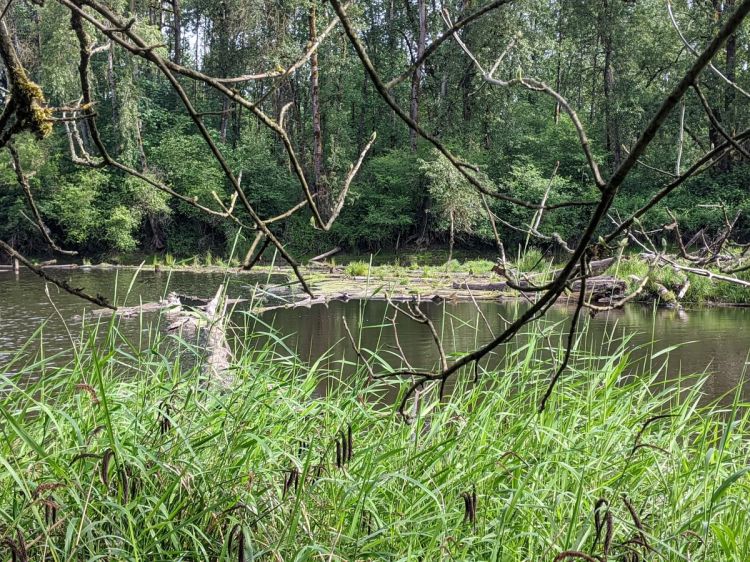
Interesting historical note – Deer Island was named by Native Americans centuries ago, as recorded by the Lewis and Clark expedition:
“the Indians call this large Island E-lal-lar, or Deer Island, which is a very appropriate name. the hunters informed us that they had seen upwards of a hundred Deer this morning on the island” – William Clark, March 28, 1806
Plants
Formal surveys of the island have mostly been limited to the Columbia Stock Ranch, a 550-acre stretch of land on the northern end of the slough which was purchased by the Columbia Land Trust in 2012. The diversity of wetland habitats even on this one property is impressive. According to Austin Thomlinson, CLT’s Coast Region stewardship manager, “there are areas of bottomland forest (ash, cottonwood, maple), areas that are shrub-dominated (willow thickets), areas of wet prairie (grass, sedge, and rush-dominated), vernal ponds and flats, emergent wetland (greater forb component including wapato, water plantain, and cattail), and deeper ponds with floating aquatic vegetation (pond lilies, pond weeds, etc.).”
An initial botanical inventory at Columbia Stock Ranch found 133 native species of plants. The most spectacular of those was Water Howellia (Howellia aquatilis), a formerly Federally Endangered Species for which only one other population is known in Oregon. Water Howellia is still listed as a State Endangered Species, and is one of the rarest plants to be found in our region.
Reptiles and Amphibians
Our own surveys uncovered six native reptile species and four native amphibian species in this slough, including the county’s largest population of Painted Turtles, an Oregon Conservation Strategy Species. A two-hour kayak survey on the northern end produced over 100 turtles in just one morning, and similar turtle abundance is present in the central and southern portions of the slough. Unfortunately, we did not see that many juvenile turtles, but at least a few were present.
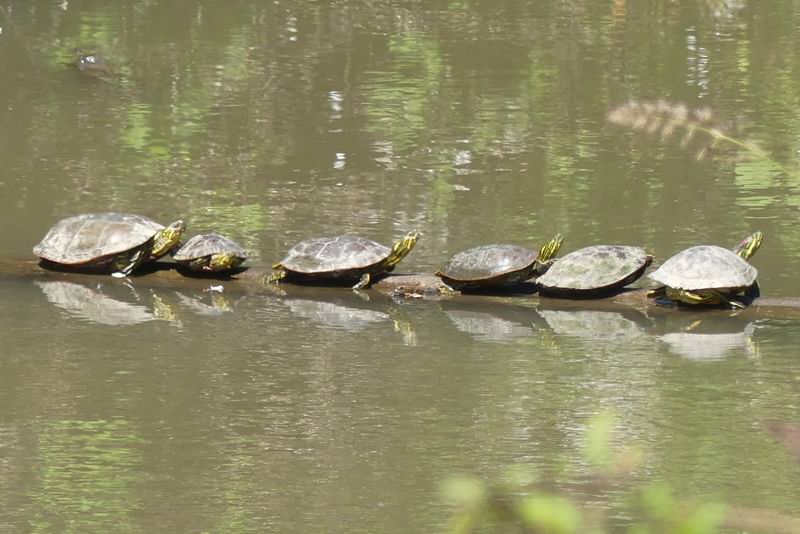
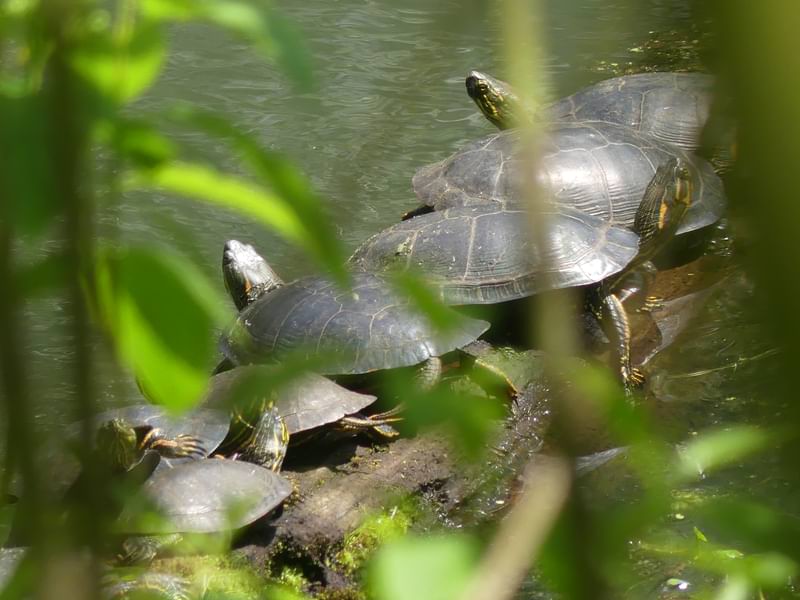
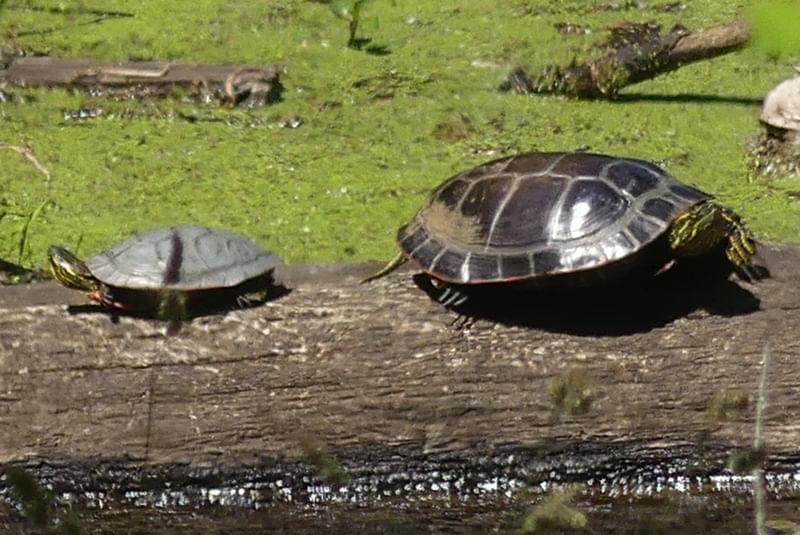
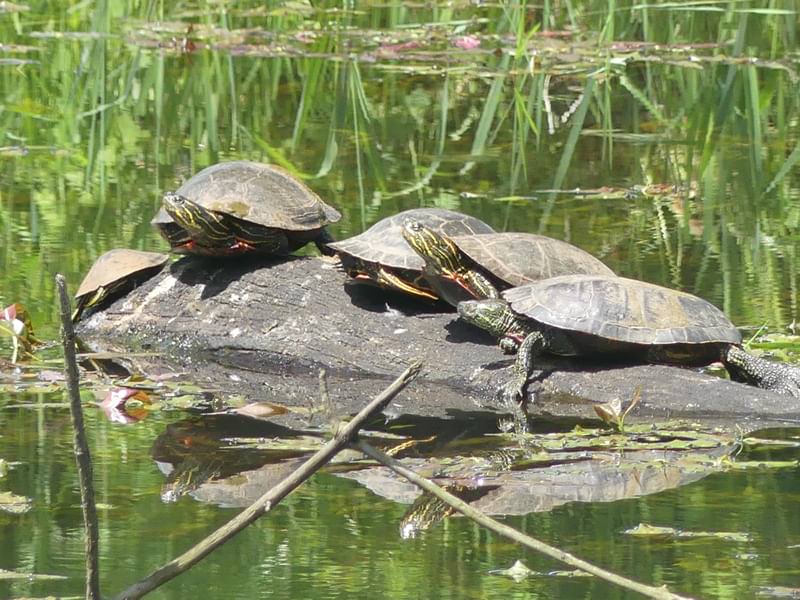
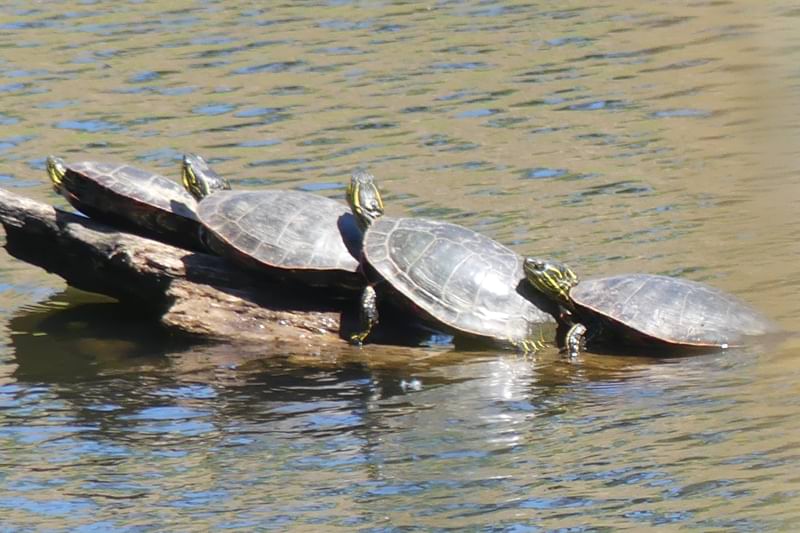
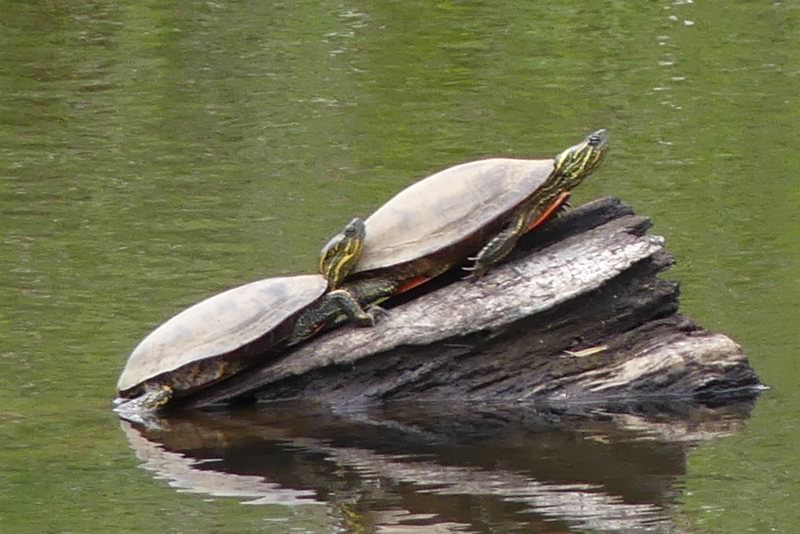
Why do turtles do so well in Deer Island Slough? In our region, turtles need water bodies, sunning space, a food source, and undeveloped upland habitat for digging nests. Unfortunately, most of the sunny water bodies in Columbia County have been surrounded by roads or development, so the turtles have nowhere to lay their eggs. Deer Island Slough is a rare spot with lots of open sunny water that is surrounded by fields relatively free of roads, where the turtles can still dig nests. Maintaining safe upland regions to nest undisturbed, along with control of the bullfrogs, bass, and other predators that eat baby turtles, are likely the key factors that will allow them to persist in the area.
Painted Turtles are not the only turtle species native to the slough. Chris Rombough reports observing Western Pond Turtles in this slough as recently as 2011, though we were unable to sight any in our surveys. Western Pond Turtles have become extremely rare in the county, with no confirmed sightings since 2014. If these turtles are still present anywhere, this would be one of the most likely locations for them to persist.
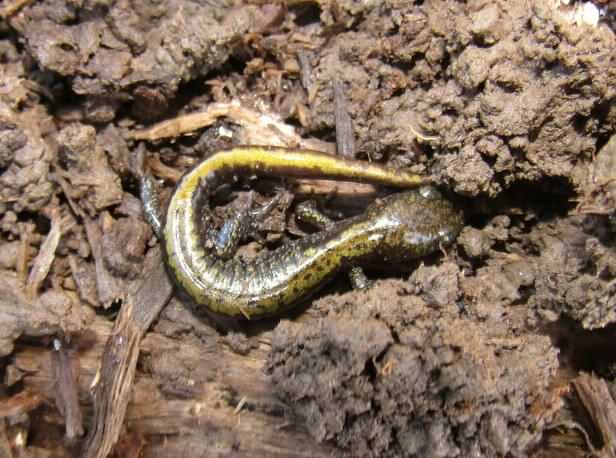
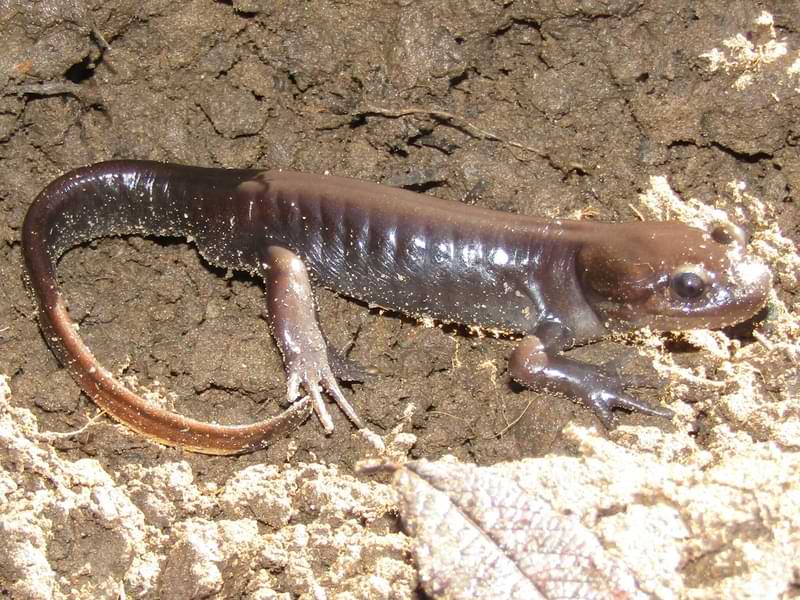
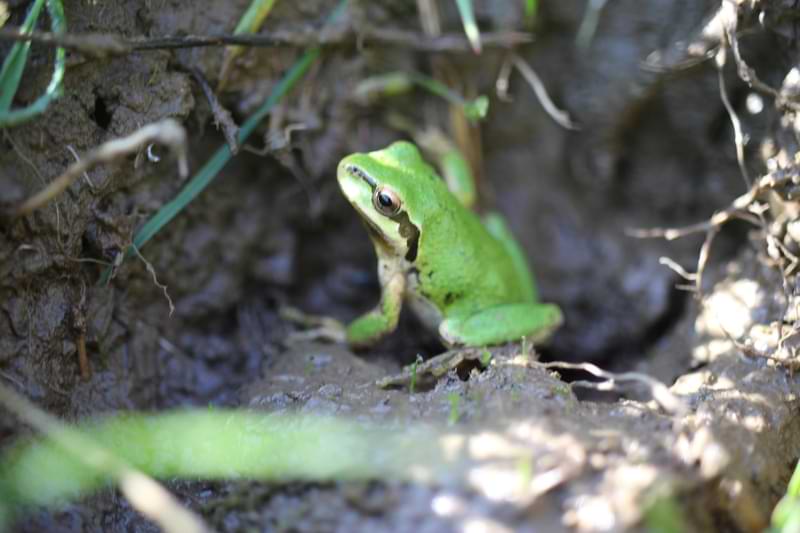
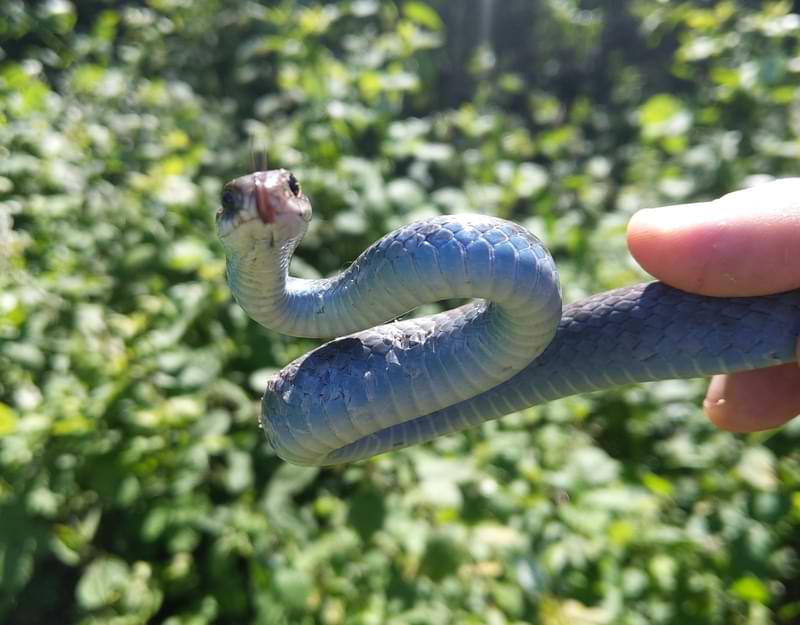
We additionally found Deer Island to have a lot of garter snakes (which was also mentioned by Lewis and Clark), a strong population of Western Yellow-bellied Racers (the northernmost population in all of Oregon), and decent diversity of pond-breeding amphibians such as Pacific Treefrogs, Northern Red-legged Frogs, Long-toed Salamanders, and Northwestern Salamanders.
Birds
There haven’t been any bird surveys of the region yet, but it’s clearly an important migratory bird stop with excellent wetland habitat.
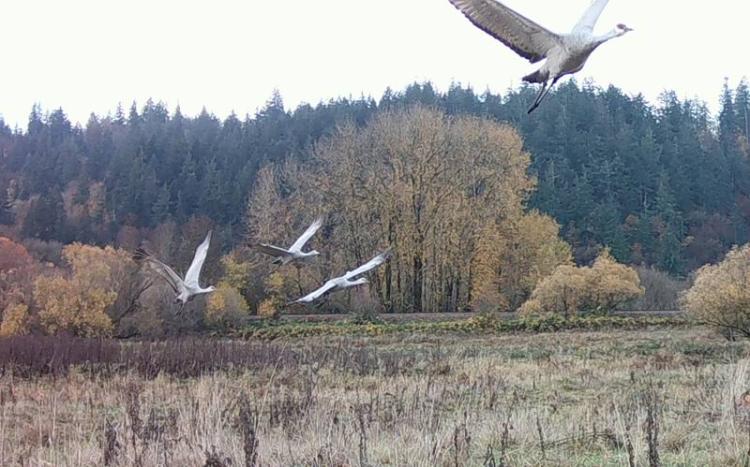
“We have seen more waterfowl on this island than we have previously seen since we left Fort Clatsop, consisting of geese, ducks, large swan, and Sandhill crains. I saw a few of the Canvisback duck.” – William Clark
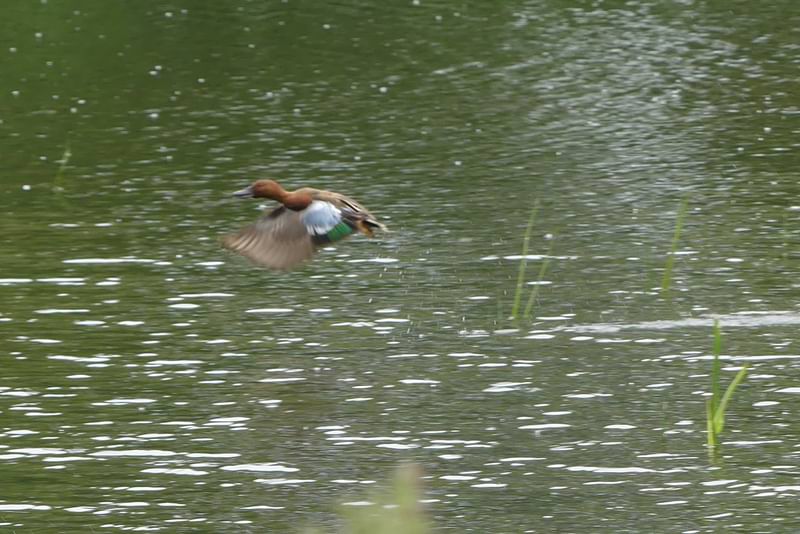
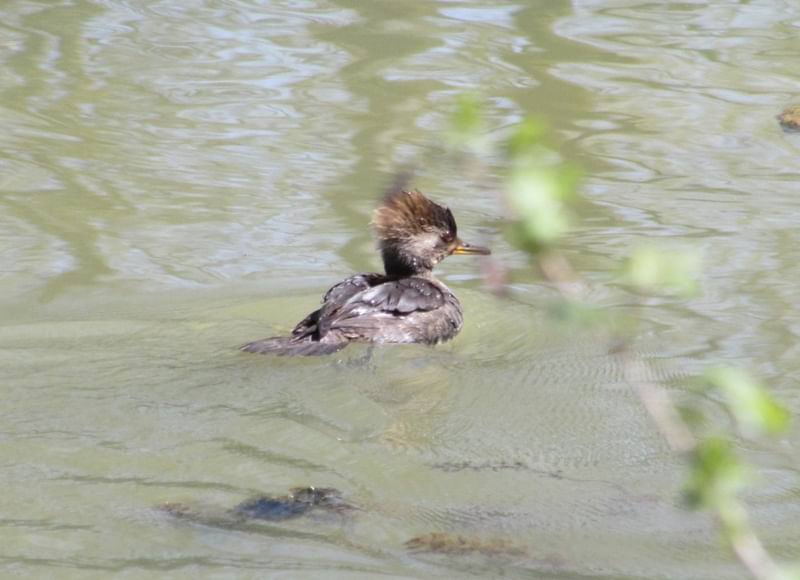
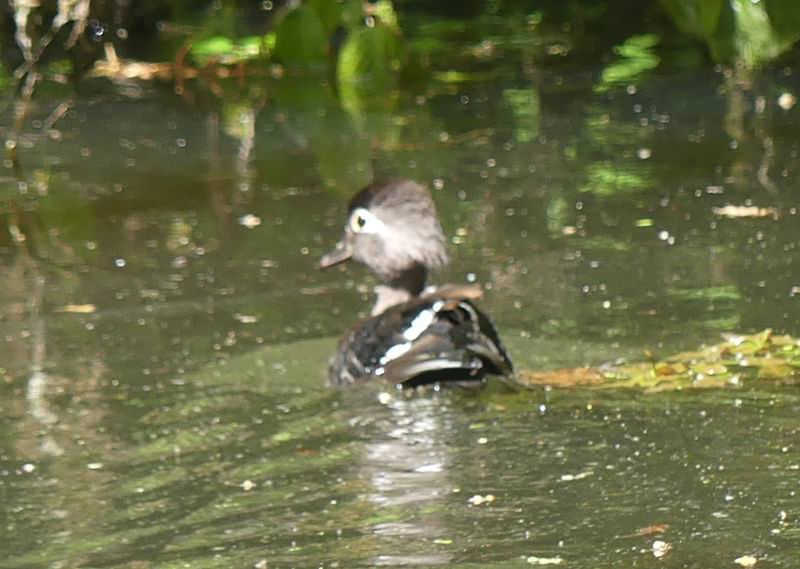
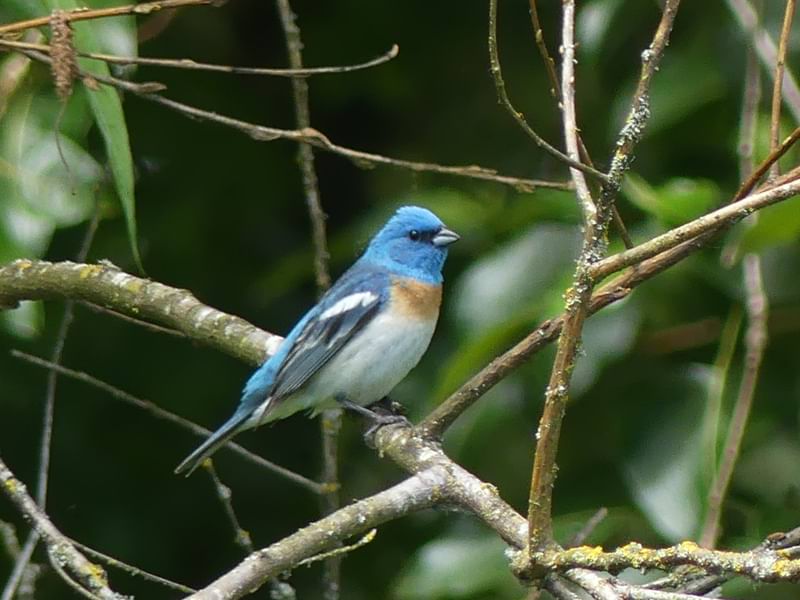
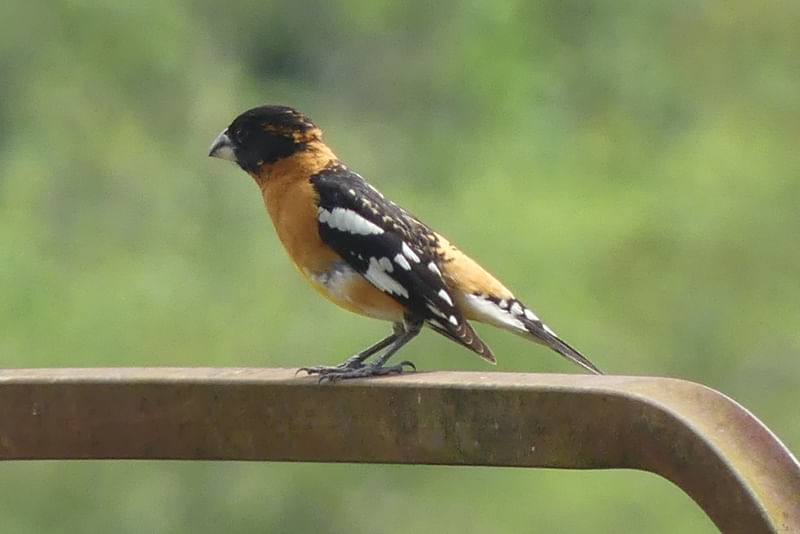
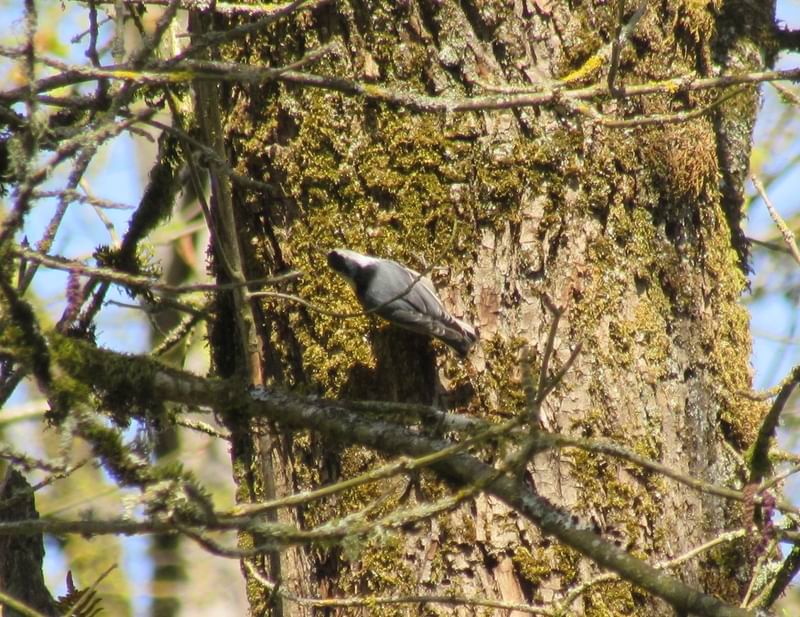
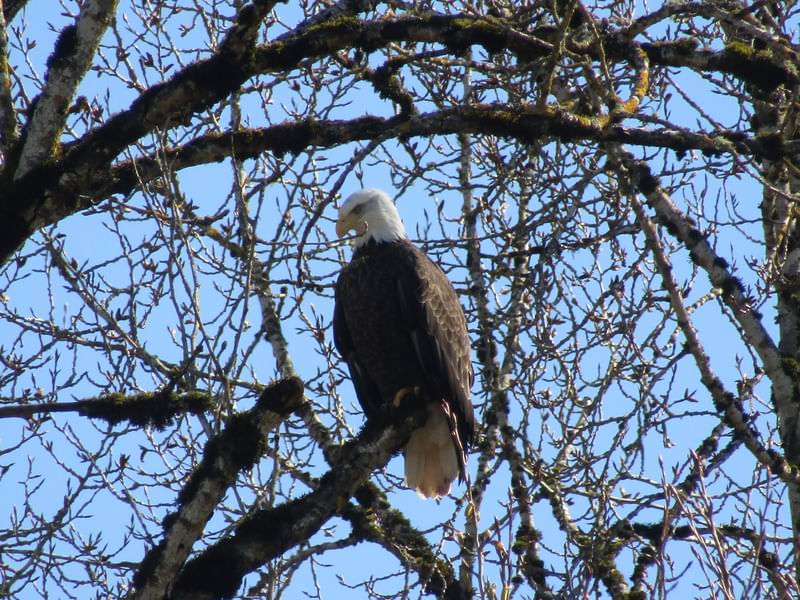
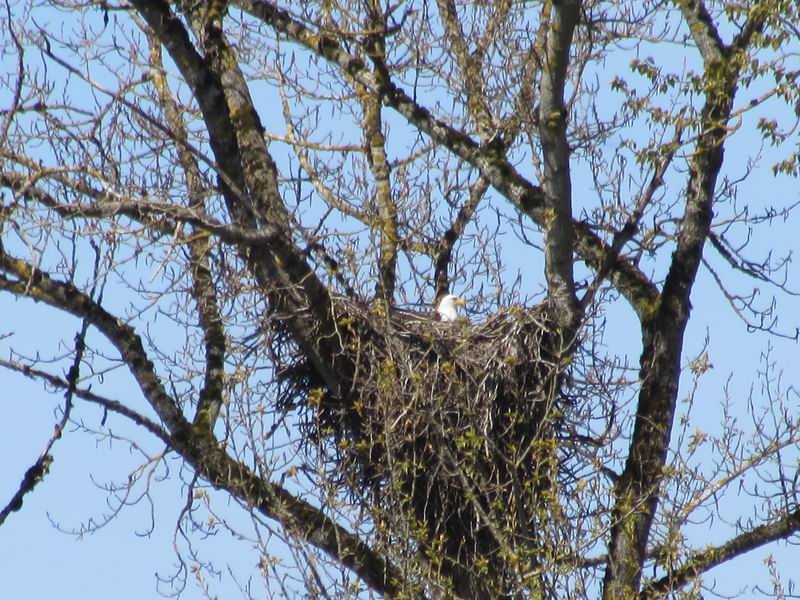
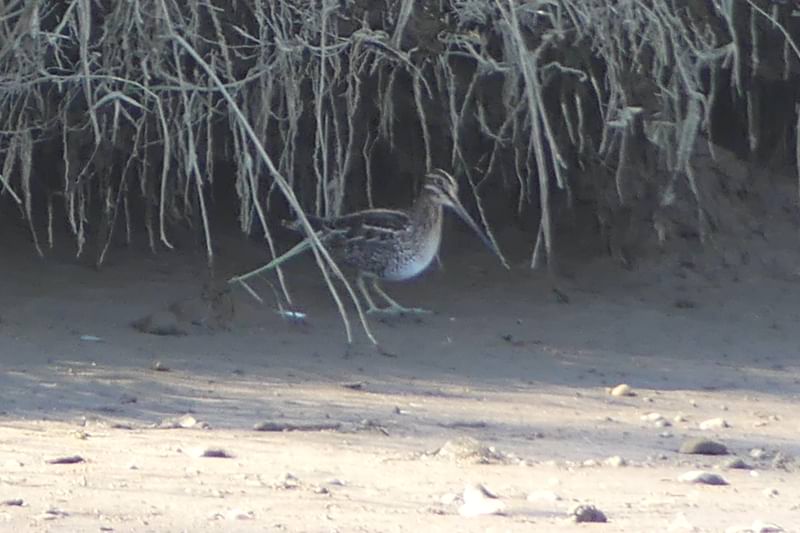
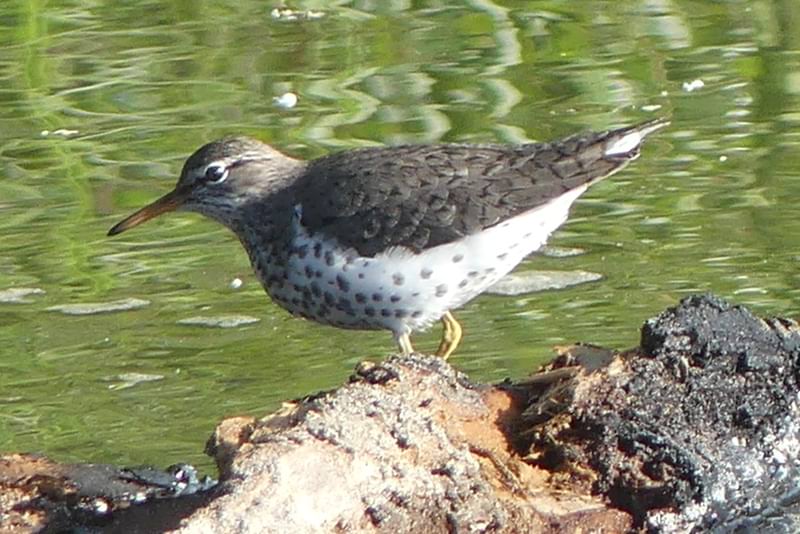
Incidental observations during the Wild Columbia and Columbia Land Trust surveys already revealed ~60 species of birds, including several Oregon Species of Special Concern such as White-breasted Nuthatch, Purple Martin, nesting Bald Eagles, and White Pelican. An array of gorgeous songbirds use the riparian woodland bordering the slough, and several ducks and wading birds take advantage of the waters.
Mammals
Columbia Land Trust facilitated the relocation of 37 Columbian White-tailed Deer into the Columbia Stock Ranch in 2020-2022. This federally threatened species is limited to ten small populations along the Columbia River, plus a larger population near Roseburg. The hope is that this reintroduction will spur a new population within Deer Island, like the one whose prevalance inspired the island’s name.
This morning we set out very early and at 9 A.M. arrived at the old Indian Village on Lard side of Deer Island where we found our hunters had halted…by 10 A.M. they all returned to camp having killed seven deer. These were all of the common fallow deer with the long tail. I measured the tail of one of these bucks which was upwards of 17 Inches long; they are very poor, tho’ they are better than the black tailed fallow deer of the coast. these are two very distinct species of deer. – William Clark
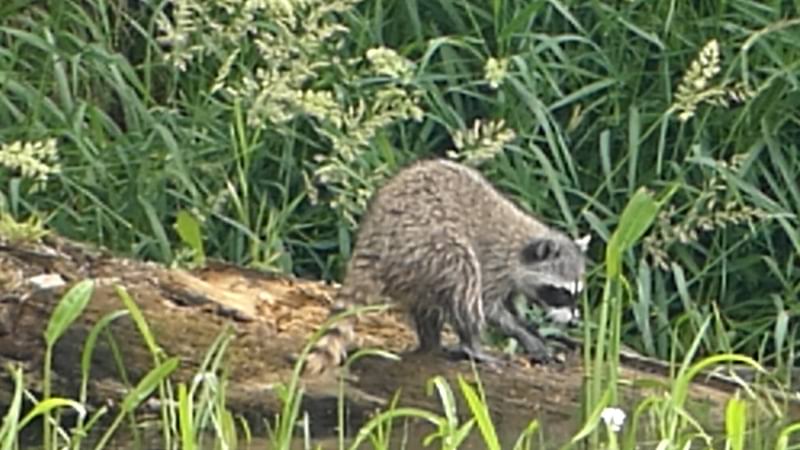
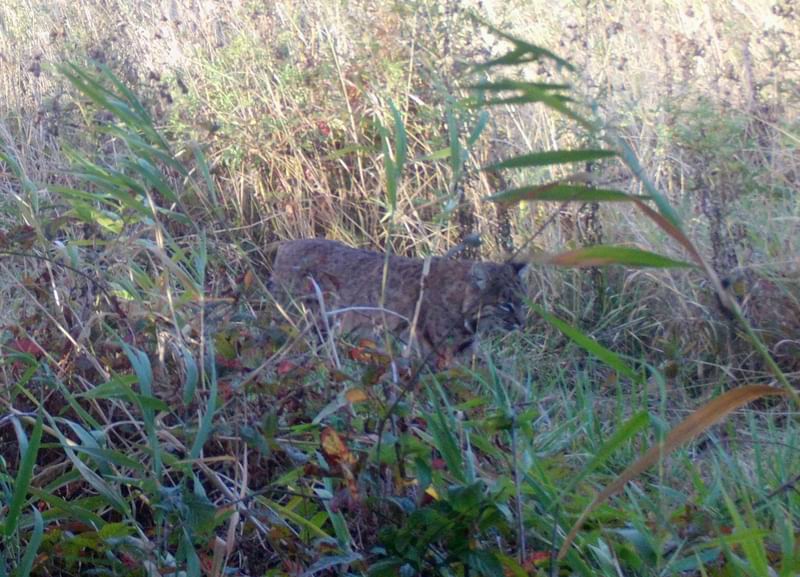
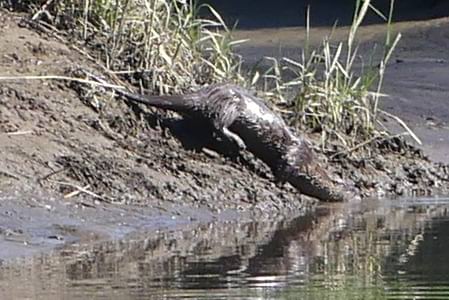
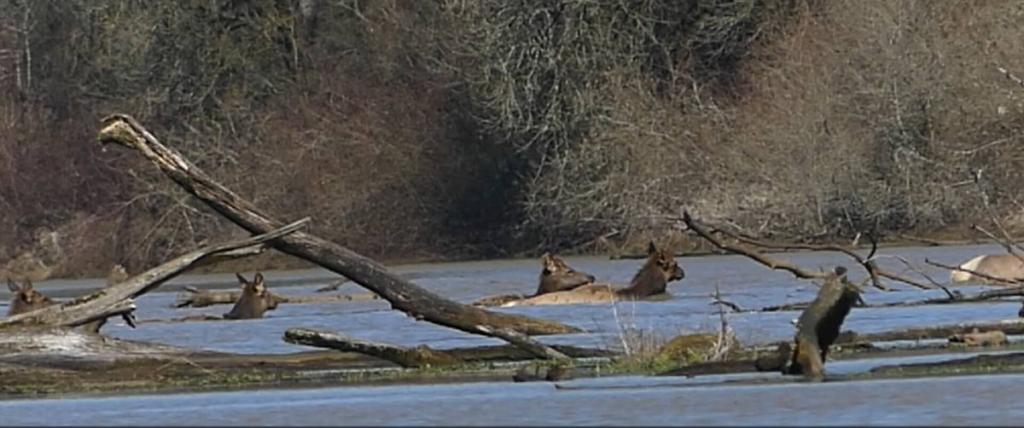
Roosevelt Elk herds already use the area frequently, and several other mammals have been spotted incidentally.
The Future
Outside of the property owned by the Columbia Land Trust, the rest of the slough’s banks are owned by a mix of private and corporate entities. Deer Island as a whole has been designated part of ODFW’s Deer Island Conservation Opportunity Area. Their recommendations for the region include modifying livestock grazing and other agriculture to improve habitat and water quality, protecting upland habitat for turtles and amphibians, and restoring seasonal wetlands and riparian habitat.
One of the most fascinating and controversial proposals has been to restore and improve the connectivity between the Columbia River and the slough, in order to assist salmon populations traveling downriver. Historically, juvenile salmonoids would have stopped in the slough on their way downstream in order to rest and feed. Such shallow-water habitats are vital for them, providing feeding opportunities in a way that the deep-channel central portions of the river do not. Unfortunately, there now exist very few such feeding opportunities in the section of the river between Scappoose and Clatskanie. The outflow of Dalton Lake was recently restored to support juvenile salmon, but this is only a tiny inlet. Restoring the Deer Island Slough to support salmon would be a much greater undertaking, yet potentially could provide far more habitat for young salmon in a critical gap. However, the proposal also worries local landowners who fear it could lead to property management issues and flooding.
A future threat to the slough likely greater than any other would be the conversion of surrounding property to agricultural land. While cattle grazing has both pros and cons in regard to habitat preservation and can be managed to optimize natural conditions, intensive planted agriculture can result in habitat destruction, water pollution, and pesticide/herbicide/fungicide use at a scale that would dramatically degrade the slough’s ability to support native species.

